

1 hr ago
Three Hurdles Could Keep EVs From India’s Mass Market
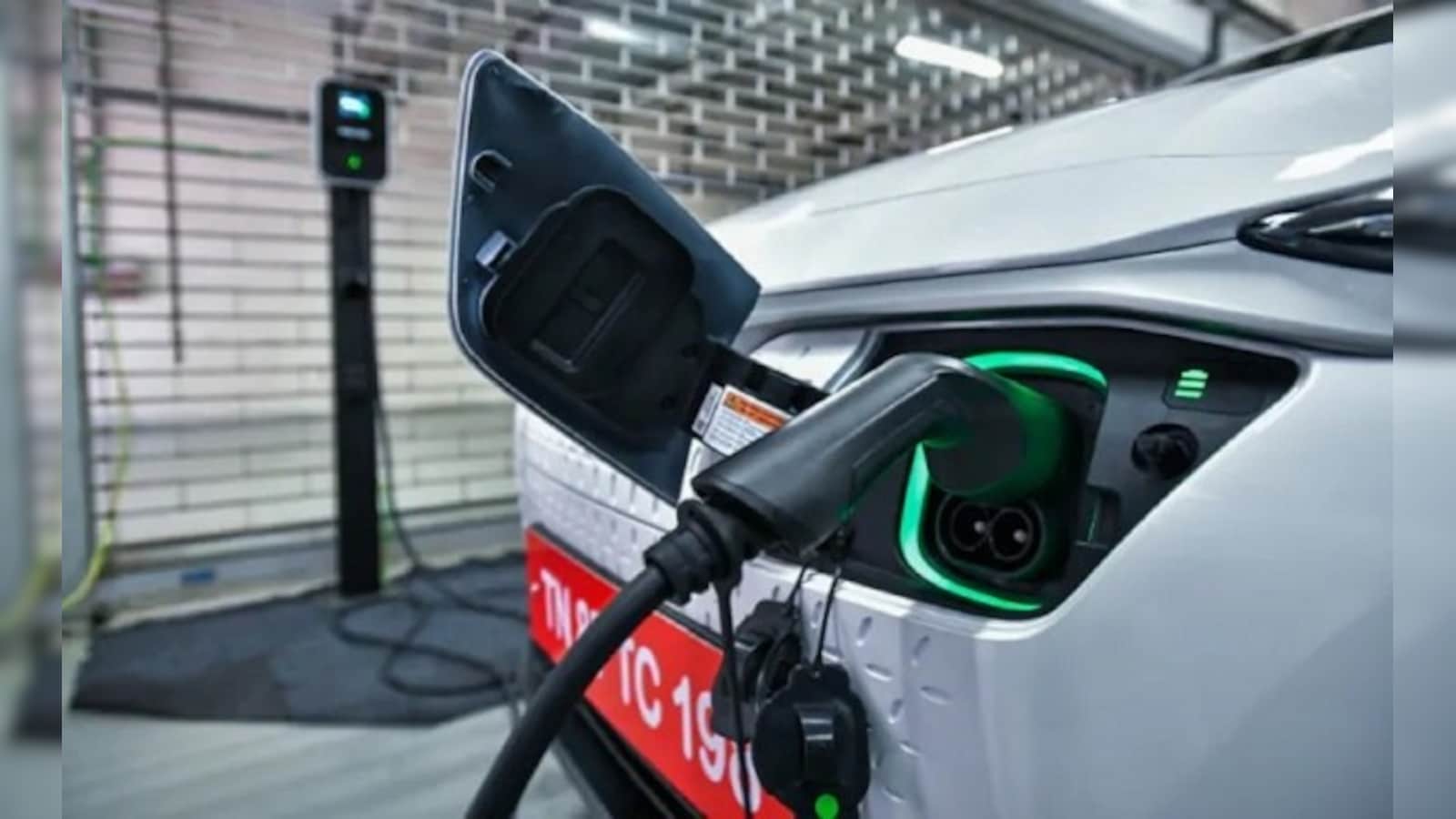
Electric cars are becoming more common in India, but some problems still worry buyers.
People want to know what will happen if their car stops working.
They also need chargers that are available, working and easy to find.
India has added many public charging stations, but reliability and location remain important.
Electric cars need special knowledge to repair their batteries, motors and electrical systems.
Many smaller cities may not yet have enough trained technicians.
Better roadside help, charging and servicing could make electric cars easier to own.
These improvements may help EVs become a practical choice for more Indian families.

Roadside assistance must become more widely available for EV owners, especially outside major cities.
India’s public EV charging stations increased from 29,151 in December 2025 to 52,718 by July 2026.
Of the reported charging stations, 16,561 had fast chargers for cars.
The government allocated Rs 2,000 crore under PM E-DRIVE for public charging infrastructure.
India needs more EV-trained technicians and service centres in Tier 2 and Tier 3 cities.
- Who
- Indian EV buyers, roadside-assistance providers, charging operators and EV service technicians are central to the issue; Varun R of ReadyAssist identified the three hurdles.
- What
- The article identifies roadside assistance, reliable charging and skilled EV servicing as barriers to mass EV adoption.
- Where
- Across India, particularly on routes outside major cities and in Tier 2 and Tier 3 cities.
- When
- The government reported 29,151 public charging stations in December 2025 and 52,718 by July 2026.
- Why
- Buyers need confidence that EVs will remain practical, repairable and usable after purchase.
Key facts
- Public charging stations in December 2025
- 29,151
- Public charging stations by July 2026
- 52,718
- Fast chargers for cars
- 16,561
- PM E-DRIVE allocation
- Rs 2,000 crore for public EV charging infrastructure
- Key roadside concern
- Access to assistance during breakdowns, including outside major cities
- Key service concern
- A shortage of technicians trained in electric drivetrains, batteries, diagnostics and safety procedures
Quotes
Varun R
Chief Marketing Officer of ReadyAssist
“The next phase of charging infrastructure is therefore not just about more chargers, but about making them reliable and accessible enough for people to plan journeys with confidence,”
 NDTV
NDTV
“The opportunity now is to build an ecosystem where an EV is not only affordable to purchase, but also easy to charge, service and get assistance for wherever it is being used,”
NDTV
Sources
Related news

Eternal Reconsiders 2030 Target for Fully Electric Deliveries
Hyundai Motor India, Jio-bp Integrate EV Charging Networks Nationwide
India Faces Massive Electric Vehicle Charging Build-Out by 2030

BGauss sees Tamil Nadu as key electric two-wheeler market
Can Extended-Range Electric Vehicles Solve India’s Charging Problem?

Uttar Pradesh Ranks Third In Public EV Charging Infrastructure

India Extends E-Bus, E-Truck Motor Localisation Deadline Amid Restrictions

India Develops Bharat Vecto Tool for Truck Efficiency Certification
Ola Electric Shares Rise Ahead of September 5 Fundraise Meeting
