1 week ago
Imran Khan’s Prison Treatment Signals Possible Political Thaw in Pakistan
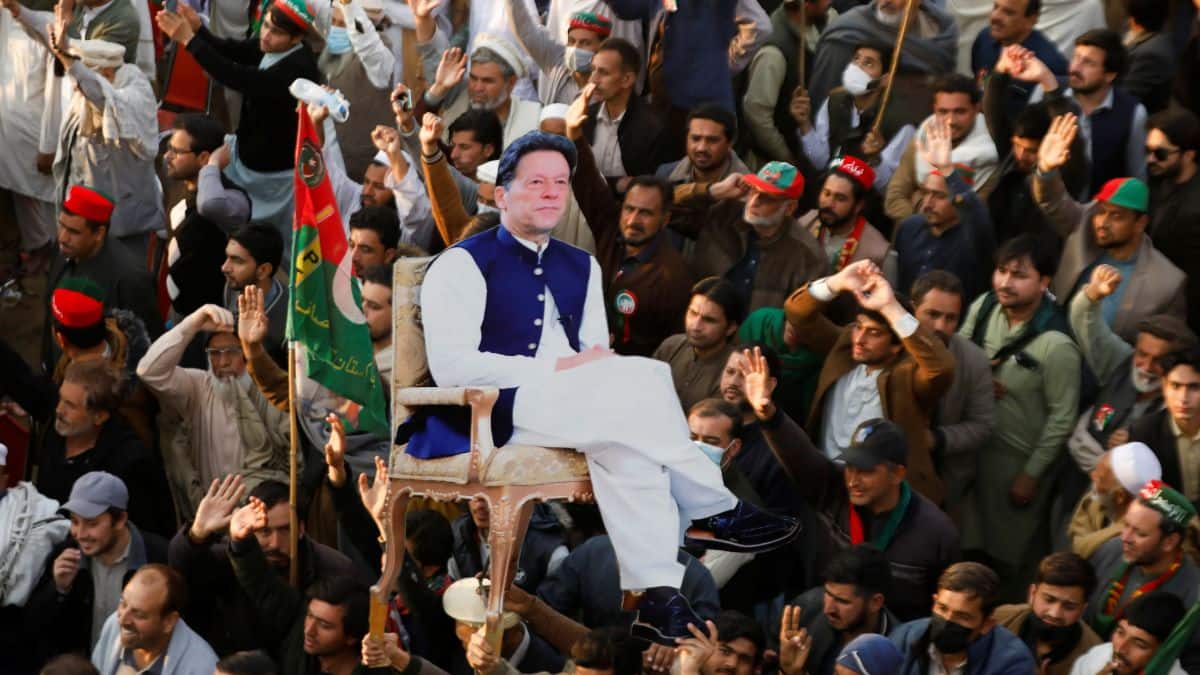
Imran Khan is a popular Pakistani politician who has been in prison for about three years.
Recently, Pakistan’s Supreme Court ordered that he could receive treatment at a private hospital.
The court also allowed more family visits and phone calls with his sons.
Khan was later sent back to jail after doctors said he was safe to stay there.
His supporters and some people abroad have been asking authorities to release him.
The government says he is already receiving proper medical care.
Some reports say Khan’s political party has been talking with powerful military officials.
These changes may mean the authorities are reconsidering their approach to Khan.
However, nobody knows yet whether he will be released or return to politics soon.

Pakistan’s Supreme Court asked that Imran Khan receive treatment at Shifa International Hospital under a medical board including his personal physician.
Khan was later returned to Adiala Jail after doctors said he was safe to remain in custody.
The court also permitted weekly family visits and phone contact with Khan’s sons after months of severe restrictions.
The government argues that Khan is receiving adequate care in public hospitals and is challenging the private-hospital arrangement.
The changes have fueled speculation about negotiations between Pakistan Tehreek-e-Insaf and the military establishment, but no political thaw is confirmed.
- Who
- Imran Khan, the Pakistan Tehreek-e-Insaf leader and former prime minister, is at the center of the dispute; Pakistan’s Supreme Court and government authorities are involved.
- What
- The Supreme Court ordered expanded medical care and visitation arrangements for Khan, prompting speculation about a possible political thaw.
- Where
- The proposed treatment was at Shifa International Hospital in Islamabad, while Khan remains held at Adiala Jail.
- When
- The changes occurred after roughly three years of Khan’s imprisonment; he was returned to Adiala Jail on Friday after a medical check-up.
- Why
- The immediate reason was concern about Khan’s health, while broader pressure from supporters, family, the Pakistani diaspora, and the international community may be influencing authorities.
Supporters and Political-Thaw Advocates
Government and Establishment Position
Khan’s medical treatment
Supporters and Political-Thaw Advocates
Khan’s lawyers and supporters say his health, including his eyesight, requires serious attention and access to personal doctors and a private hospital.
Government and Establishment Position
The government says Khan is being adequately treated in government hospitals like other prisoners and is contesting the private-hospital order.
Meaning of the court’s decision
Supporters and Political-Thaw Advocates
The expanded medical and family access may signal that authorities are softening their position and could eventually permit Khan’s release.
Government and Establishment Position
The government has not confirmed a political deal or release, and Khan remains in custody after being returned to Adiala Jail.
Political tensions
Supporters and Political-Thaw Advocates
Talks between Pakistan Tehreek-e-Insaf and the establishment, along with pressure from supporters and overseas groups, suggest Khan’s political influence remains significant.
Government and Establishment Position
The government and military establishment have not publicly explained any change in policy, while disagreements within the cabinet remain difficult to interpret.
Key facts
- Prisoner
- Imran Khan has been imprisoned for approximately three years.
- Court action
- Pakistan’s Supreme Court ordered that Khan be moved to Shifa International Hospital for treatment.
- Medical oversight
- A medical board, including Khan’s personal physician, was to oversee his treatment.
- Family access
- Weekly family visits and phone contact with Khan’s sons were permitted.
- Current location
- Khan was returned to Adiala Jail after doctors deemed it safe for him to remain in custody.
- Health dispute
- Khan’s lawyers warned of serious vision loss, while a jail report said his eyesight had recovered nearly 90 percent.
- Political uncertainty
- Reports indicate that Pakistan Tehreek-e-Insaf leaders may have held talks with the military establishment, but the significance of those talks remains unclear.
Sources
Related news

Imran Khan Moved to Islamabad Hospital Under Supreme Court Order
Imran Khan Aide Signals Possible Reconciliation With Pakistan Military

Pakistan’s Imran Khan Returned to Jail After Hospital Examination
Pakistan Challenges Order Moving Imran Khan to Private Hospital

Imran Khan Returned to Jail After Court-Ordered Hospital Visit
Imran Khan Returned To Jail After Hospital Medical Check
Imran Khan's Sister Files Second Supreme Court Contempt Petition
Pakistan High Court Ends Solitary Confinement for Imran Khan

Imran Khan’s Medical Care Raises Questions About Pakistan’s Courts

Pat Cummins Backs Captains’ Plea for Imran Khan’s Care

Imran Khan’s Sons Fear for His Safety in Prison