1 week ago
Why Wild Animal Attacks Do Not Always Create Man-Eaters
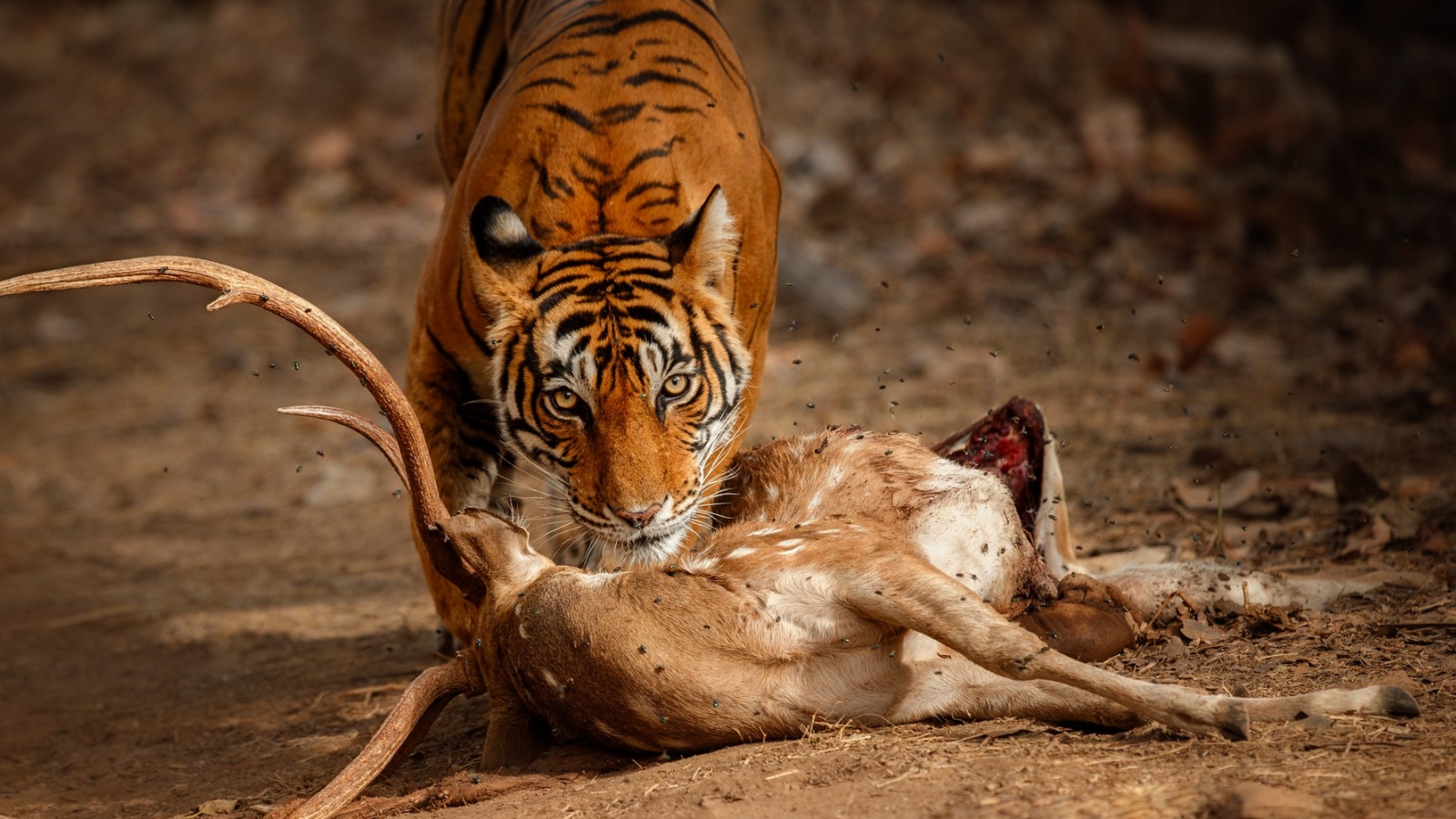
Wild animals do not always attack people because they want to eat them.
They may be frightened or protecting their babies, food, or territory.
An animal is called a man-eater only when it repeatedly hunts humans for food.
Injuries or sickness can make it harder for an animal to catch its usual prey.
Losing natural prey and living closer to people can also increase conflicts.
The Champawat tiger was an example of an animal that reportedly began relying on humans after losing its teeth.
A single attack does not prove that an animal is a man-eater.
Wildlife experts say authorities should study each case carefully.
Killing an animal should be the last option when it threatens people.

Wild animals may attack humans while defending themselves, their young, or their territory.
A genuine man-eater repeatedly preys on humans as part of its behaviour.
Injury, illness, loss of natural prey, and contact with settlements can contribute to this pattern.
The Champawat tiger reportedly killed hundreds of people and struggled to hunt after losing its canines.
Experts say incidents should be assessed individually, with killing considered only as a last resort.
- Who
- Wild animals, humans, wildlife experts such as Indrajit Ghorpade, and authorities involved in human-wildlife conflicts.
- What
- The report explains why wild animals attack humans and how repeated human predation differs from isolated or defensive attacks.
- Where
- Encounters can occur near human settlements, in animal territories, and in places such as riverbanks.
- When
- The report gives no specific date for the incidents; it cites the historical example of the Champawat tiger.
- Why
- Attacks may result from self-defence, protection of young or territory, perceived threats, injury, illness, loss of prey, or increasing contact with people.
Key facts
- Man-eater definition
- An individual animal that repeatedly preys on humans as a pattern of behaviour.
- Common attack triggers
- Self-defence, protection of young, territorial defence, and perceived threats.
- Contributing factors
- Injury or illness, loss of natural prey, and growing interaction with human settlements.
- Historical example
- The Champawat tiger was reported to have killed hundreds of people.
- Champawat tiger’s condition
- It was found to have lost its upper and lower canine teeth.
- Recommended response
- Cases should be handled individually, and killing should be considered a last resort.
Quotes
Indrajit Ghorpade
Wildlife photographer and environmentalist
“They must be handled on a case‑to‑case basis. And killing them should be the last resort.”
 indianexpress.com
“Man‑eating animals are individuals that prey on humans as a pattern of their behaviour,”
indianexpress.com
Sources
Related news

Buffaloes turn saviours, chase tigress away after owner attacked
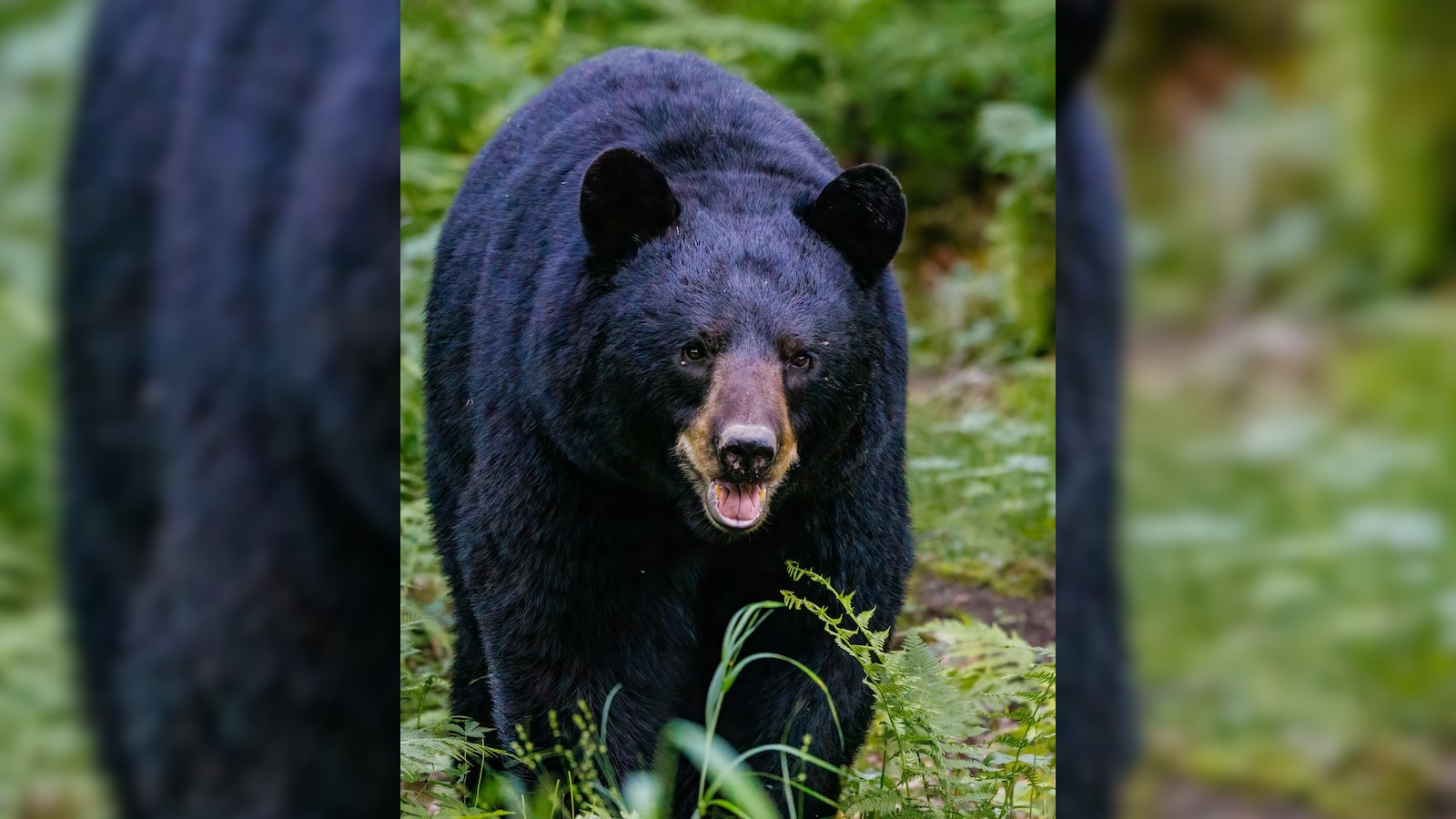
Wild Bear Kills Man and Sister in Chhattisgarh After Cub Death

Wild bear kills man, sister in Chhattisgarh's Kanker; another injured

Suspected Hyena Attack in Mandsaur Kills Six Goats
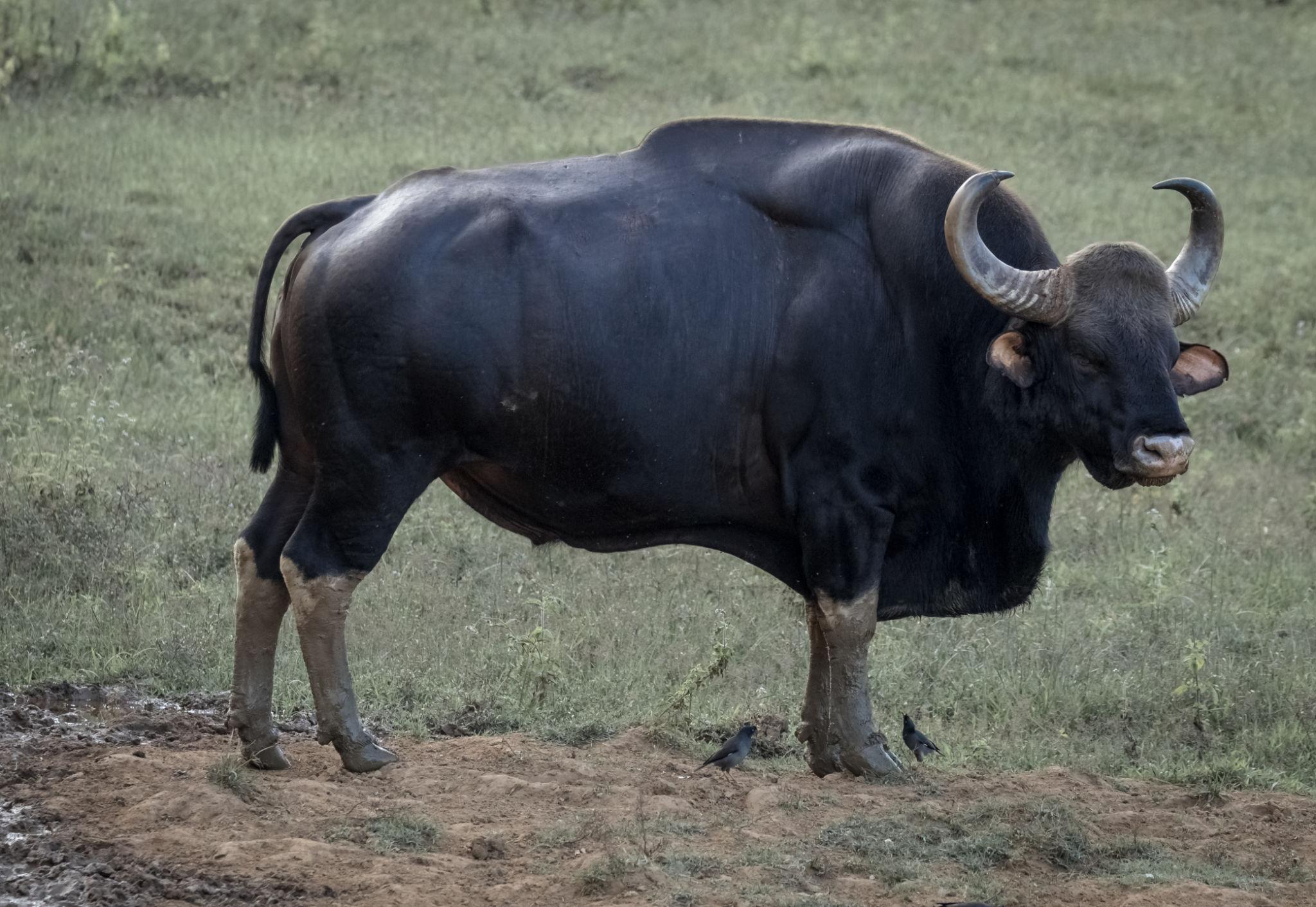
Gaur Attack Kills Man; Relative Dies as Residents Demand Action

Gujarat builds enclosure at Ambardi Safari Park for attacking lions

India Noon News Guide Covers Economy, Diplomacy, Jobs And Culture

Akshay Kumar’s Ninth Priyadarshan Film Draws From Jim Corbett

Tiger Dies After Two Months of Treatment at Corbett Centre

Viral Video Shows People Getting Dangerously Close to Tiger