18 hrs ago
India Auto Exports Jump as Two-Wheelers Offset Car Decline

India exported many more vehicles in August 2026 than it did a year earlier.
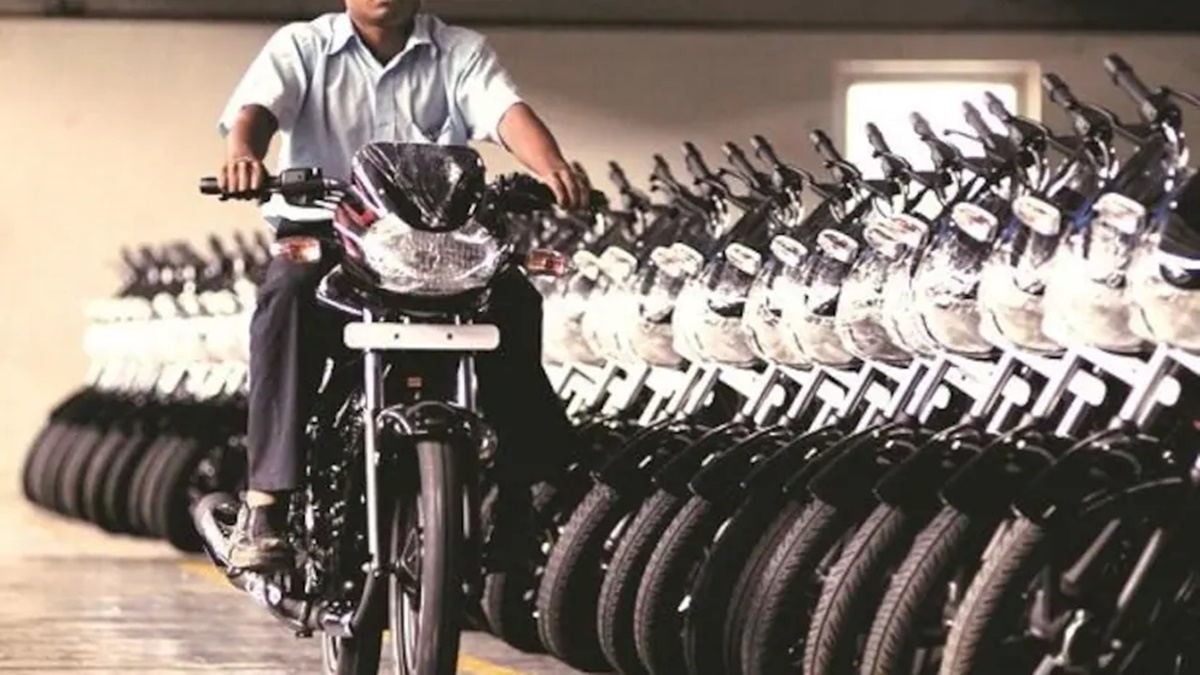
The biggest reason was a strong increase in two-wheeler exports.
Motorcycle exports grew especially quickly, while scooter exports rose only slightly.
Exports of passenger vehicles, especially cars, went down.
Industry sources linked the car decline to problems caused by geopolitical events and shipping disruptions.
The passenger-vehicle figures do not include several companies, including Tata Motors, BMW, Mercedes, Jaguar Land Rover and Volvo Auto.
Crisil Ratings said India may be selling more higher-value utility vehicles and compact SUVs around the world.
It said this could be a lasting change if manufacturers build enough SUV-focused capacity.

India’s automobile exports rose 22.2% year-on-year to 681,338 units in August 2026.
Two-wheeler exports increased 28.5% to 555,292 units, led by a 33.4% rise in motorcycle shipments.
Passenger-vehicle exports fell 17% to 68,230 units, while passenger-car exports declined 51.5%.
Industry sources and Kotak Institutional Equities attributed weaker passenger-vehicle exports to geopolitical and logistical disruptions linked to the Middle East crisis.
Crisil Ratings said rising utility-vehicle exports could indicate India is becoming a sourcing hub for compact SUVs.
- Who
- India’s automobile manufacturers, two-wheeler exporters and passenger-vehicle original equipment manufacturers; the data was released by the Society of Indian Automobile Manufacturers.
- What
- India’s automobile exports increased 22.2% year-on-year in August 2026, driven mainly by two-wheelers, while passenger-vehicle exports declined.
- Where
- India and its international export markets; the articles specifically cite disruptions linked to the Middle East crisis.
- When
- August 2026, compared with August 2025; the data was published on September 17, 2026.
- Why
- Two-wheeler shipments rose sharply, while geopolitical and logistical disruptions weakened passenger-vehicle exports.
Structural growth
Disruption-driven weakness
Meaning of the export trend
Structural growth
Crisil Ratings said the growth in utility-vehicle exports suggests Indian automotive manufacturing is moving up the value chain and that global markets increasingly view India as a sourcing hub for compact SUVs.
Disruption-driven weakness
Kotak Institutional Equities said exports showed weak trends across original equipment manufacturers because of logistical disruptions arising from the Middle East crisis.
Passenger-vehicle performance
Structural growth
The rise in utility-vehicle exports, including approximately 203,000 units during April-August FY27, may reflect sustained international demand for SUVs if manufacturers expand capacity and platforms.
Disruption-driven weakness
Passenger-vehicle exports fell 17%, and passenger-car exports dropped 51.5%; industry sources attributed the decline to geopolitical disruptions affecting all original equipment manufacturers and passenger-vehicle segments in the reported data.
Key facts
- Total exports
- 681,338 units in August 2026, up 22.2% year-on-year from 557,446 units.
- Two-wheeler exports
- 555,292 units, up 28.5% from 432,033 units.
- Motorcycle exports
- 486,325 units, up 33.4% from 364,487 units.
- Scooter exports
- 68,085 units, up 5.1% year-on-year.
- Passenger-vehicle exports
- 68,230 units, down 17% from 82,246 units.
- Passenger-car exports
- Down 51.5% year-on-year in August.
- Utility-vehicle exports
- About 203,000 units during April-August FY27, up approximately 23%.
- Data limitation
- Passenger-vehicle figures exclude BMW, Mercedes, Jaguar Land Rover, Tata Motors and Volvo Auto, according to SIAM.
Quotes
Poonam Upadhyay
Director at Crisil Ratings
“This is far more than a one-off spike. In FY26, UV exports had already reached 4.45 lakh units, virtually matching passenger car exports of 4.49 lakh units. That gap has effectively disappeared this fiscal year. What was a niche export segment a few years ago has now overtaken India’s traditional hatchback-led export story.”
 thehindubusinessline.com
“Global markets are increasingly viewing India as a sourcing hub for compact SUVs, not just entry-level cars. Whether this marks a durable structural shift will depend on how quickly OEMs expand SUV-focused capacity and platforms to meet what appears to be sustained international demand.”
thehindubusinessline.com
Sources
Related news

India Passenger Vehicle Exports Fall Despite Record Domestic August Dispatches

Indian Auto Sales Surge as Major Carmakers Post Growth
Auto Sales Reach August Records as Base Effect Looms Ahead

India Auto Demand Gains as August Vehicle Growth Accelerates

Noel Tata proposes ₹25,000-crore Tata Sons buyback for SP Group

Indian Stocks Face Resistance as Oil Eases Before Weekly Close

Sensex Slips as Nifty Rises; Tata Stocks Gain

Tata Sons Board Approves Stock Exchange Listing, Report Says