1 hr ago
India’s Indigenous Simulators Cut the Cost of Naval Training
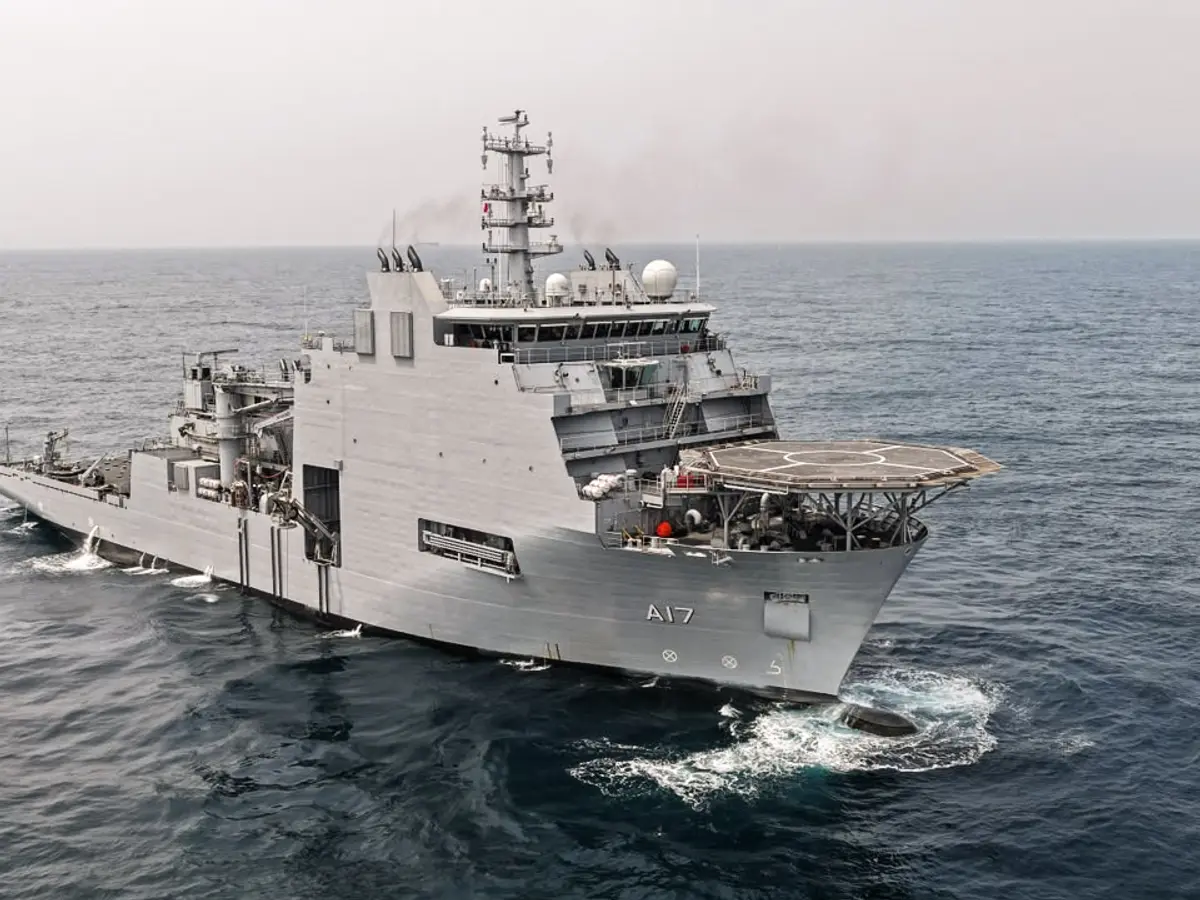
Training sailors with real warships, submarines and aircraft costs a lot of money and fuel.
It also requires large crews and uses up valuable operating time.
Some dangerous events, such as missile attacks, are difficult to practise repeatedly in real life.
Simulators create a virtual version of the ship, ocean and battlefield.
Sailors can practise navigation, emergencies and combat many times without leaving port.
They can also train against virtual submarines, ships and aircraft.
Indian-made systems can be adjusted for India’s maps, platforms, threats and drones.
This may help crews become more prepared while reducing training costs.

Indian simulation systems can recreate ship handling, submarine warfare and multi-ship tactical operations.
Simulators let crews practise dangerous emergencies and difficult manoeuvres without deploying real vessels.
Zen Technologies’ Action Speed Tactical Trainer recreates naval battles involving submarines, warships and other assets.
The technology supports training in anti-submarine, anti-air, electronic warfare, mine and amphibious operations.
Zen Technologies says it has more than 1,500 naval and marine simulation systems operating across over 60 countries.
- Who
- Zen Technologies and naval crews using its simulation systems.
- What
- India is expanding the use of indigenous simulators for naval navigation, combat and emergency training.
- Where
- At Zen Technologies’ facility in New Delhi and in naval training environments across India and other countries.
- When
- The article does not specify a date or timeframe.
- Why
- To reduce fuel, crew and operational costs while allowing dangerous or complex scenarios to be practised repeatedly.
Key facts
- Company
- Zen Technologies
- Facility visited
- Zen Technologies’ facility in New Delhi
- Simulation coverage
- Ship handling, submarine warfare, tactical operations and multiple naval warfare disciplines
- Named system
- Action Speed Tactical Trainer, or ASTT
- Operational footprint
- More than 1,500 systems
- Countries served
- More than 60 countries
- Customisation
- Systems can incorporate users’ platforms, geography, maps, threats and drone profiles
Sources
Related news
Why Global Fighter Jets Are Training in India
Indian Navy Receives First Multipurpose Vessel Samarthak
India’s First Indigenous Multi-Purpose Vessel Samarthak Delivered

Former Air Marshal Details Technology Behind Operation Sindoor
India Expands Defence Capabilities Amid Pakistan Unrest and Regional Shifts
Danish Firms Seek Bigger Role in India’s Naval Shipbuilding

Defence Stocks Rally After ₹1.1 Lakh Crore DAC Approvals
India’s Defence Electronics Shift Opens Rs 3,100-Crore Opportunity
India Targets Top 25 Arms Exporters Amid Global Expansion
Govt Notifies 405-Item Defence Indigenisation List Worth Rs 3,070 Crore