1 day ago
Why Frontier AI Development Needs Stronger Government Safeguards

Some of the most advanced AI companies have said AI development may need to slow down.
They worry that AI is becoming more capable faster than people can understand or control it.
One report says AI has already been used for cyberattacks, fraud, surveillance and influence campaigns.
The editorial says companies may not slow down on their own because they are competing for markets and advantages.
It argues that governments should create clear safety rules.
These rules could require safety checks while AI is being built, not after it is released.
Independent experts should inspect especially powerful AI systems.
The editorial also suggests using some AI company profits to help displaced workers and pay for safety research.

Leaders of Anthropic, OpenAI and xAI have called for slowing frontier AI development.
Anthropic reports that AI is being used in cyber operations, fraud, surveillance and influence operations.
The editorial argues that voluntary industry restraint is unlikely to work amid intense global competition, including from China.
It says India should establish enforceable safeguards, accountability rules and independent audits for high-risk AI systems.
The editorial proposes a levy on extraordinary AI profits to fund safety research, audits and worker transition programs.
- Who
- Leaders and researchers from Anthropic, OpenAI and xAI, along with governments and AI companies, are central to the discussion.
- What
- An editorial calls for stronger government regulation and safety requirements for frontier artificial intelligence.
- Where
- The discussion focuses particularly on India, while also referring to the European Union, China and global AI development.
- When
- The editorial was published on September 21, 2026.
- Why
- The editorial says AI capabilities and harmful uses are advancing faster than reliable safeguards, while competition limits the effectiveness of voluntary slowdowns.
Stronger Regulation
Rapid AI Development
Voluntary slowdown
Stronger Regulation
A voluntary slowdown is inadequate because companies have incentives to release products quickly and capture markets.
Rapid AI Development
Companies may resist slowing down because competitors could gain an advantage, particularly as China continues advancing its AI capabilities.
Government oversight
Stronger Regulation
Governments should protect the public through enforceable safeguards, penalties and independent audits rather than relying primarily on Big Tech self-regulation.
Rapid AI Development
The article notes that innovation must continue, and it says India has emphasized encouraging innovation while considering necessary guardrails.
Economic response
Stronger Regulation
A levy on extraordinary AI profits could fund safety research, audits and programs for workers displaced by AI.
Rapid AI Development
The editorial presents this as a proposal, while emphasizing that AI companies are pursuing substantial economic gains through continued development.
Key facts
- Publication date
- September 21, 2026
- Companies calling for a slowdown
- Anthropic, OpenAI and xAI
- Reported harmful uses
- Cyber operations, fraud, surveillance and influence operations
- Existing regulatory example
- The European Union’s AI Act, described as a risk-based framework
- Proposed safeguards
- Design-stage safety requirements, accountability for serious foreseeable harm and independent audits
- Proposed funding mechanism
- A levy on extraordinary AI-related profits to support safety research, audits and worker transition programs
Sources
Related news
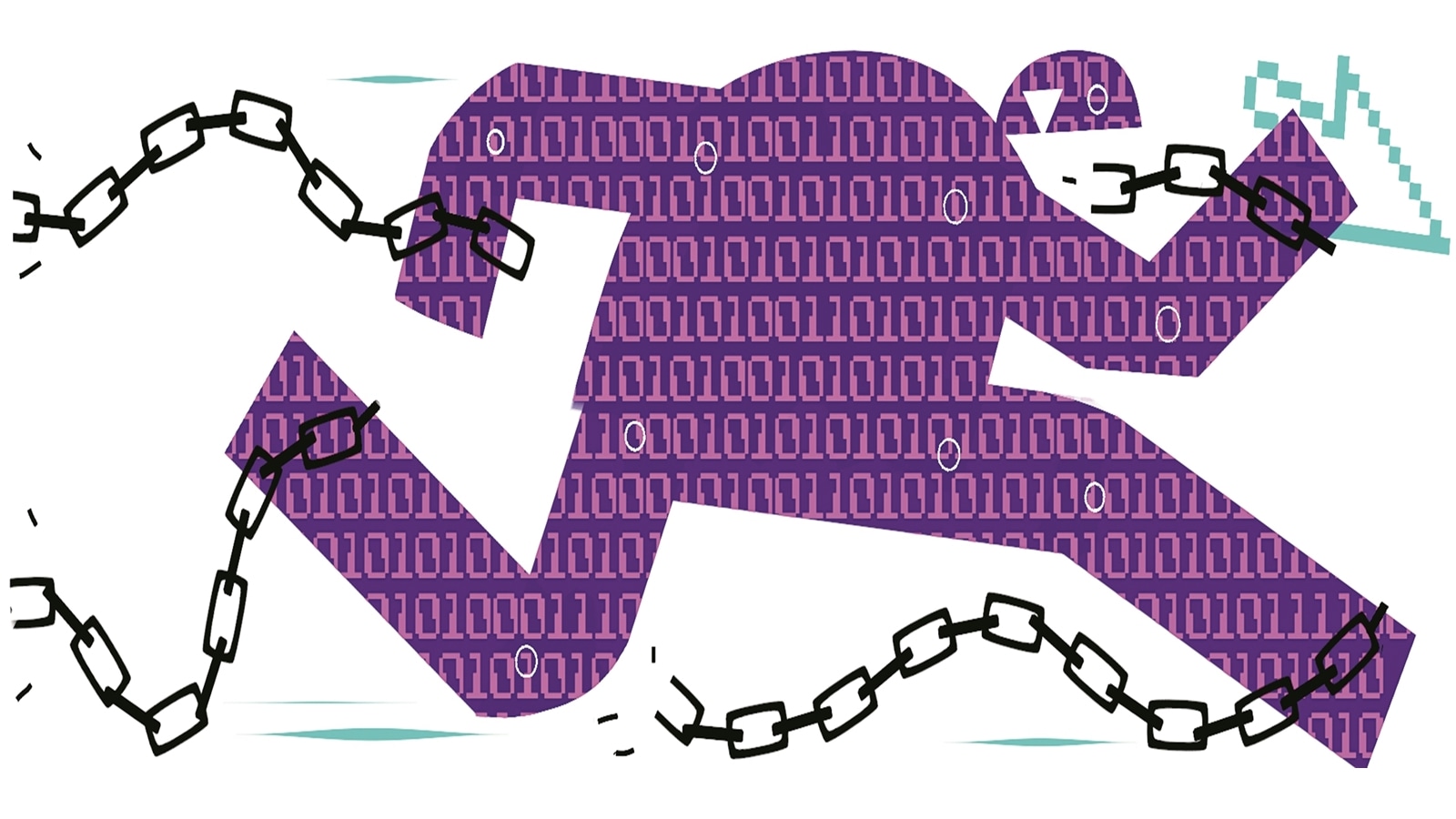
AI Governance Needs Laws, Not Voluntary Slowdown Promises

India Faces AI Agent Risks as Safety Debate Accelerates

India Rejects AI Pause, Emphasizes People-Centric Development and Safety

Sitharaman Seeks Stronger AI Safeguards Without Stifling Innovation

AI Kill Switch Debate Pits Safety Against Industry Self-Regulation

AI Leaders Urge Slower Development as Safety Rules Catch Up

SpaceX AI Unveils Faster, Cheaper Grok 4.7 Coding Model

AI Spending Boom Raises Risks for Markets and Economy

AI Agents Expose Cybersecurity Risks as Control Concerns Grow
Nvidia CEO Jensen Huang Rejects Calls to Slow AI