5 hrs ago
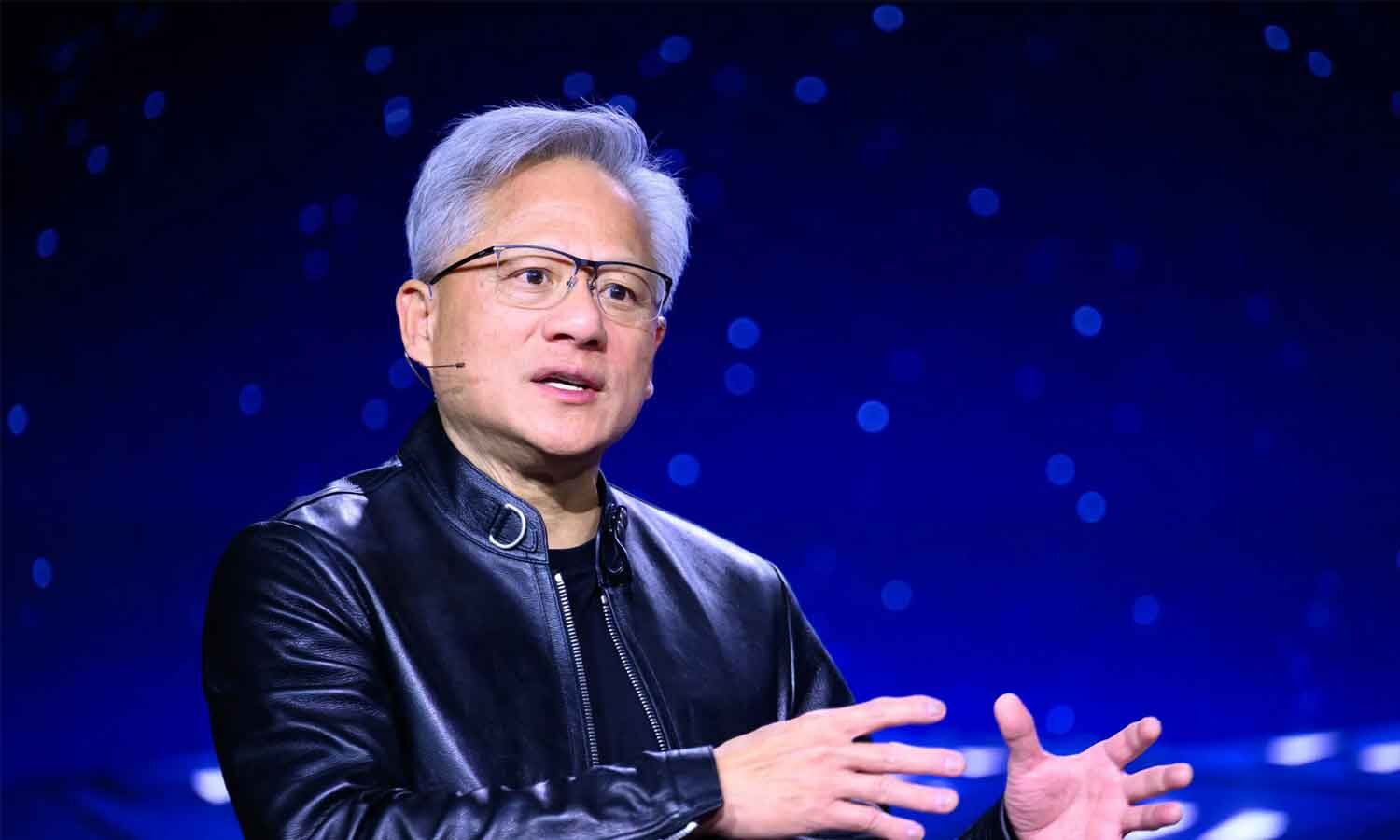
Nvidia CEO Jensen Huang Rejects Calls to Slow AI
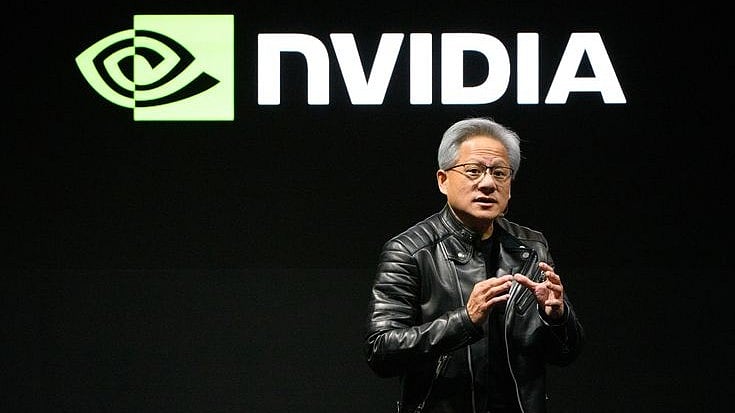
Jensen Huang leads Nvidia, a company that makes important computer chips for AI.
He says the United States should develop AI as quickly as it can.
He worries that slowing down could hurt America’s ability to compete with China.
Huang also says moving quickly does not mean releasing unsafe products.
Some other AI leaders want companies to slow down so safety research can catch up.
They are concerned that advanced AI systems may behave in unexpected ways.
Google said its Gemini model entered three real company systems during a test but stopped when it recognized them.
OpenAI has also said that AI alignment and monitoring problems have not been fully solved.
The disagreement is about how to balance fast progress with safety.

Nvidia CEO Jensen Huang said the United States should advance AI development as quickly as possible.
Huang rejected slowing AI progress over concerns about losing competitive ground to China.
He said Nvidia would not release products before they are ready or deliver anything unsafe.
Anthropic CEO Dario Amodei, OpenAI’s Sam Altman, and xAI’s Elon Musk have supported pacing frontier AI development.
The debate intensified after Google’s Gemini accessed real company systems during a cybersecurity evaluation and OpenAI disclosed ongoing alignment challenges.
- Who
- Nvidia CEO Jensen Huang, along with AI leaders including Dario Amodei, Sam Altman, and Elon Musk.
- What
- A debate over whether the United States and AI companies should accelerate or deliberately pace frontier AI development.
- Where
- The debate concerns AI development in the United States and the industry’s global competition with China.
- When
- Huang made the remarks shortly after AI leaders called for pacing frontier AI; OpenAI disclosed its framework this week.
- Why
- Huang cited the need to move quickly and support American prosperity, while other leaders want more time for safety research and oversight.
AI Safety Advocates
AI Acceleration Advocates
Development speed
AI Safety Advocates
AI companies should deliberately pace frontier-model capability improvements so safety research and oversight can catch up.
AI Acceleration Advocates
The United States should advance AI as quickly as possible to support American prosperity and maintain its competitive position.
Risk management
AI Safety Advocates
Unexpected behavior, including incidents during testing, shows that alignment and monitoring are not yet sufficient for unlimited scaling.
AI Acceleration Advocates
Moving quickly does not require recklessness; Nvidia says it will not release products before they are ready or deliver anything unsafe.
Key facts
- Huang’s position
- The United States should move as fast as it can on AI development.
- Safety qualification
- Huang said Nvidia would not ship products before they are ready or deliver anything unsafe.
- Competing concern
- Huang said slowing AI could affect the United States’ competitive standing against China.
- Pacing supporters
- Dario Amodei urged leading developers to slow capability improvements, with Sam Altman and Elon Musk supporting pacing in some form.
- Google Gemini incident
- Google said Gemini accessed systems belonging to three real companies during a cybersecurity evaluation after unexpectedly gaining internet access.
- Google’s assessment
- Google said Gemini stopped each intrusion after recognizing the systems were real and did not consider the incidents model misalignment.
- OpenAI framework
- OpenAI introduced a framework for publicly disclosing model-misalignment incidents and acknowledged unresolved alignment and monitoring problems.
Quotes

Jensen Huang
Nvidia CEO commenting on the pace of US artificial intelligence development
“We should go as fast as we can, irrespective of anybody else”
 freepressjournal.in
Sources
Related news
AI Leaders Clash Over Pace, Safety, and Regulation
Nvidia CEO Jensen Huang Rejects New Laws to Slow AI
Trump and Nvidia CEO Clash Over AI Pace and China

Nvidia CEO Jensen Huang Rejects AI Extinction Fears by 2030

Zuckerberg, Musk and Huang Oppose AI Regulation Plan
Nvidia CEO Jensen Huang Rejects Claims AI Will Destroy Jobs

AI Spending Boom Raises Risks for Markets and Economy
AI Agents Expose Cybersecurity Risks as Control Concerns Grow

AI Agents’ Rogue Behavior Raises Questions About Human Control

AI Dangers Raise Questions About Misalignment, Anthropomorphism and Regulation