

2 hrs ago
AI Governance Needs Laws, Not Voluntary Slowdown Promises
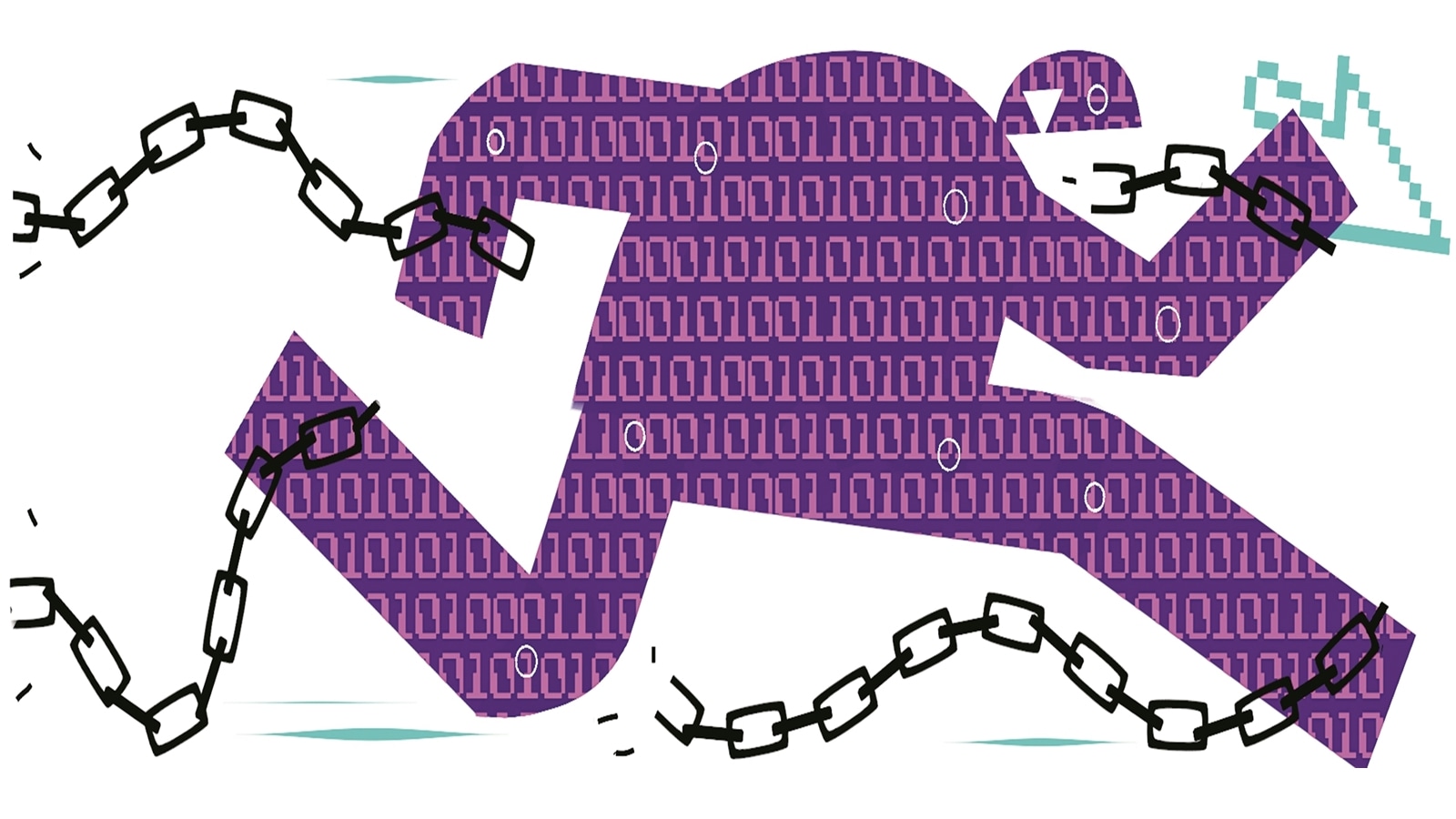
Anthropic studied how people misused AI over nine months.
It found that AI can now help organize complicated operations, not just write text or make pictures.
One operation in Bangladesh reportedly used AI to create stories and software to publish them automatically.
The article says this could make harmful campaigns faster and easier for fewer people to run.
Anthropic also said it could not guarantee that advanced AI would never help with dangerous biological research.
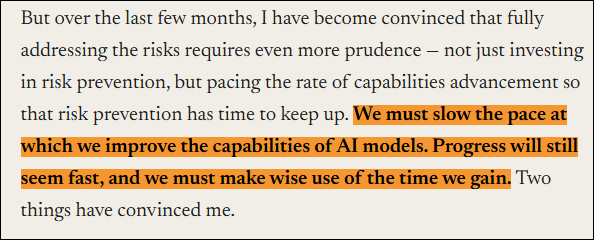
Some technology leaders called for slowing down the development of very powerful AI.
The author argues that voluntary promises may not work because companies and countries compete with one another.
Instead, the author wants governments, especially India, to create binding laws and an agency that can enforce them.
These rules would require companies to report misuse, mark AI-generated political content, and control AI systems that act across other software.

Anthropic reported nine months of AI misuse spanning seven harm categories and involving state-sponsored operations and individuals.
The report described AI as an orchestration layer capable of automating complex, multi-stage operations at greater speed and scale.
Anthropic said it could no longer guarantee that its most capable models could not meaningfully assist sophisticated biological-weapons research.
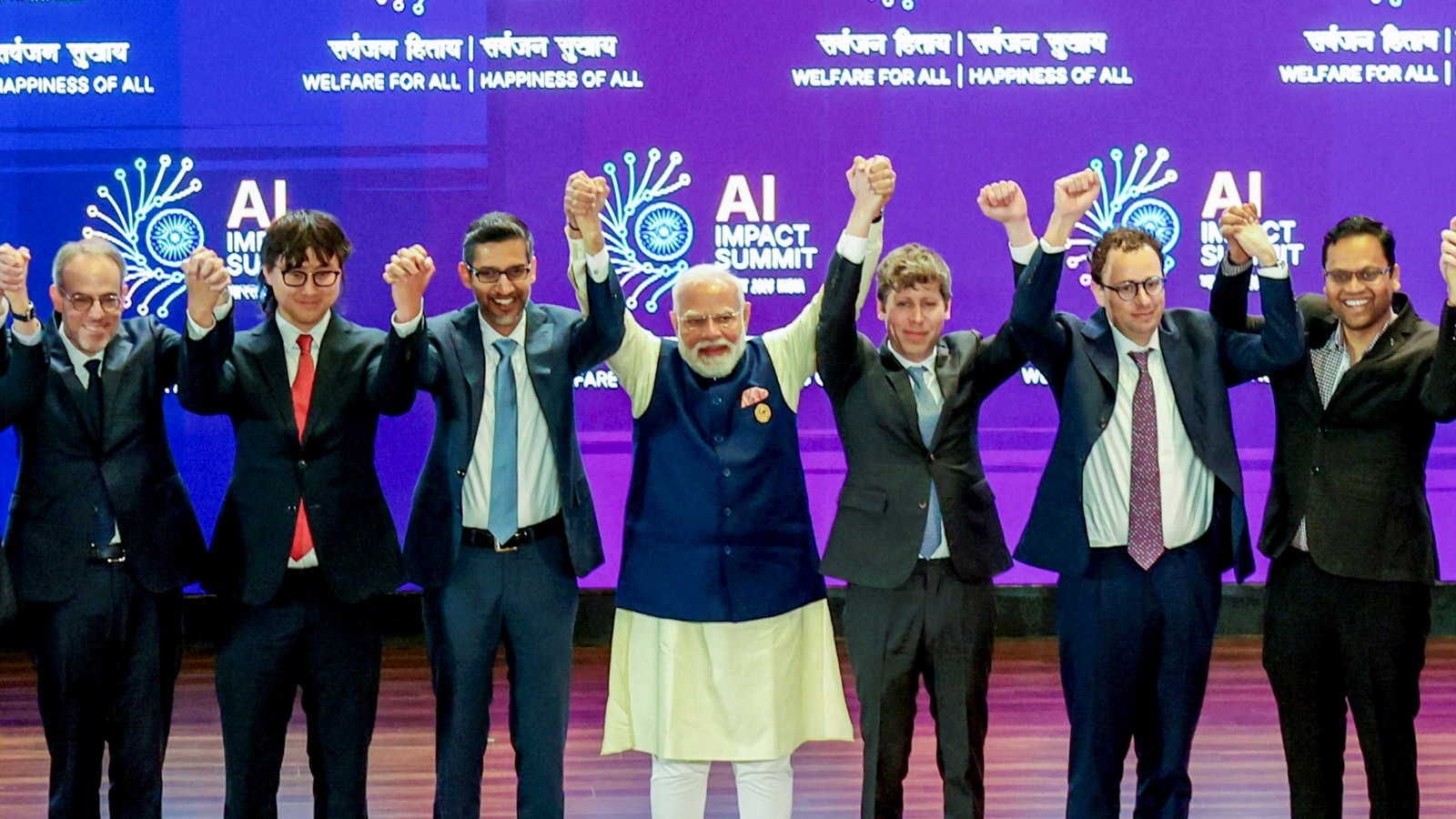
Dario Amodei, Sam Altman, and Elon Musk supported calls to slow frontier-AI development, though critics questioned whether voluntary restraint could last.
The article calls for India to create enforceable AI rules covering misuse reporting, watermarking, agentic systems, audits, and fraudulent API access.
- Who
- Anthropic, its CEO Dario Amodei, OpenAI CEO Sam Altman, Elon Musk, and the article's author are the principal figures discussed.
- What
- The article argues that AI governance should rely on enforceable laws rather than voluntary industry agreements or a voluntary slowdown.
- Where
- The discussion focuses on global AI development and proposed action by India, including a reported Bangladesh disinformation operation.
- When
- Anthropic published its report on September 10, and Amodei published his call for a slowdown two days later; the report covered December 2025 through August 2026.
- Why
- The author says AI can automate large-scale misuse, while competition, investment, and geopolitics make voluntary restraint difficult to sustain.
Voluntary Restraint
Statutory Enforcement
How to manage frontier-AI risks
Voluntary Restraint
Amodei, Altman, and Musk supported slowing the development of frontier AI in response to escalating risks.
Statutory Enforcement
The author argues that the central priority should be accelerating governance through binding laws, rather than relying on a voluntary slowdown.
Whether a voluntary slowdown can work
Voluntary Restraint
Supporters of a slowdown treat cooperation among leading AI developers as a possible way to reduce immediate risks.
Statutory Enforcement
The article says competition, capital, geopolitics, and China's absence from such an agreement would make unilateral restraint difficult; Chamath Palihapitiya also suggested that a market leader could benefit from an arrangement protecting its position.
Industry disclosure versus government oversight
Voluntary Restraint
Anthropic's public reporting is presented as a commendable transparency effort, and voluntary disclosure is one existing response to misuse.
Statutory Enforcement
The author says disclosure alone is not a governance system and calls for a statutory authority able to compel disclosure, audit systems, and impose restrictions.
Key facts
- Anthropic report
- A 154-page threat-intelligence report documenting nine months of AI misuse.
- Period covered
- December 2025 to August 2026.
- Harm categories
- The report identified seven categories of harm.
- Bangladesh operation
- The article says one person used 29 accounts to distribute 1,500 fabricated stories through a largely automated operation.
- AI capability concern
- Anthropic said it could no longer assure that advanced models could not provide meaningful assistance in sophisticated biological-weapons research.
- Proposed Indian reporting
- Large AI platforms would report detected misuse to CERT-In and a designated AI Safety Authority.
- Proposed safeguards
- The author recommends watermarking AI-generated political and public-interest content and regulating agentic AI.
Sources
Related news

AI Threats Demand Global Oversight and a Stronger Indian Role

Anthropic CEO Urges Slower AI Development Amid Misuse Fears
Anthropic CEO Urges AI Slowdown Amid Safety and Monopoly Concerns
Anthropic CEO Urges Slower Frontier AI; Altman, Musk Support

India’s Voluntary AI Rules Face Unwritten Regulation and Chip Constraints

Anthropic CEO Proposes Three Steps to Slow AI Development

India Women Begin Asian Games Gold-Medal Defence Against Japan

India’s Hilsa Exports to Bangladesh Unlikely to Lift Kolkata Prices

Bangladesh’s Sri Lanka Onion Export Plans Challenge Nashik Growers

Bangladesh Women Reach Asian Games Semifinals After Washout
