3 weeks ago
Punjab passes digital university bills amid Congress opposition protests
A state in India called Punjab has made new rules for three new universities that teach students only through computers, phones, and the internet.
These are called 'digital universities', and students can study from home without going to a classroom.
One university will be in Hoshiarpur, and two will be in Patiala.
The people who run these universities will pay for everything themselves — the government will not give them money.
The leaders of the state government say this is a great idea because it lets more people go to college.
But some other leaders from the Congress party are not happy about it.
They say the government is handing education to private companies, and that the universities will not be watched closely enough.
They also worry that subjects like medicine, engineering, and science need laboratory practice, which is hard to teach online.
The state education minister says the universities will still have to follow the national rules for online learning.
The plan still needs the permission of the Governor before it can become a law.

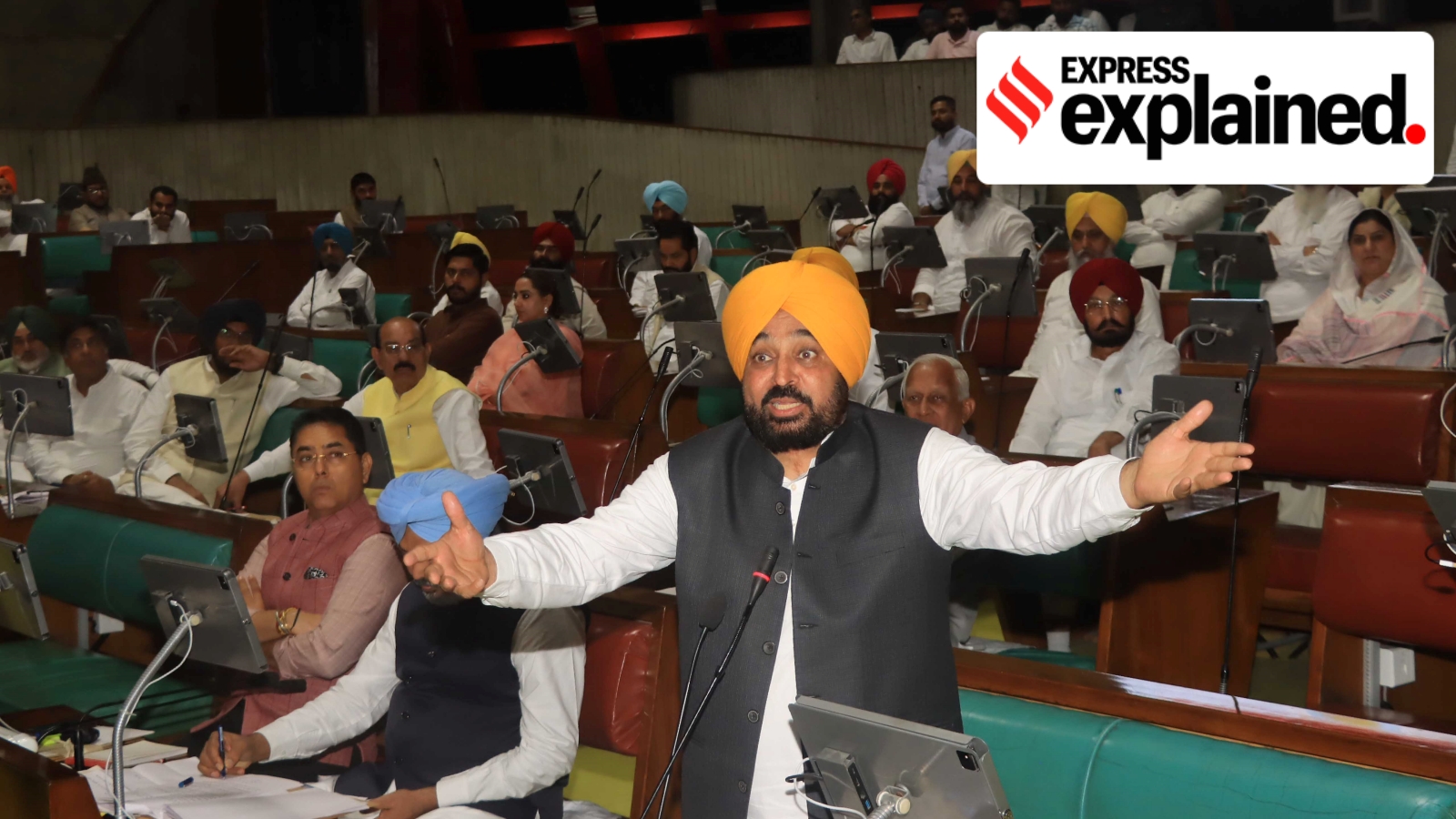
The Punjab Vidhan Sabha passed three Bills on August 10, 2026 to establish private digital open universities in Hoshiarpur and Patiala.
The universities — Cloud University, MS Digital University and Physicswallah Digital University — will deliver degrees entirely online with no regular classroom teaching.
The AAP government says the move will spark a digital revolution in education, while Congress MLAs accuse it of 'selling education to private players.'
Universities will be self-financed with a Rs 20 crore corpus fund, must reserve 15% of seats for Punjab-domiciled students, and need UGC recognition before awarding degrees.
The Bills await the Governor's assent; opposition MLAs questioned the validity of conducting lab-based engineering, medical and science courses fully online.
- Who
- The Punjab Vidhan Sabha, where Education Minister Harjot Singh Bains moved the Bills; strongly opposed by Congress MLAs.
- What
- Passed three Bills enabling the establishment of three private digital open universities in the state.
- Where
- Punjab, India — the universities will be located in Hoshiarpur and Patiala districts.
- When
- Monday, August 10, 2026, the last day of the monsoon session.
- Why
- The government says the policy expands access to higher education through fully online modes and attracts private edtech players; the opposition says it commercialises education.
AAP Government
Opposition (Congress and Independent MLAs)
Privatisation and oversight of higher education
AAP Government
The Bills will spur a digital revolution in education, expand access to higher education, attract reputed private edtech players, and let students complete degrees from home.
Opposition (Congress and Independent MLAs)
The government is 'selling education to private players,' commercialising higher education through a self-financed, fee-based model with no government oversight, compromising the interests of the state's students.
Online delivery of professional courses
AAP Government
Clause 4(b) of the Bills explicitly ensures adherence to the UGC (Open and Distance Learning Programmes and Online Programmes) Regulations, 2020, and some engineering courses can legitimately be taught online.
Opposition (Congress and Independent MLAs)
Under the UGC Act, no online classes can be held for engineering, medical, paramedical courses and PhD, and laboratory-based programmes cannot be properly conducted in a fully digital format.
Key facts
- Bills passed
- Cloud University, Hoshiarpur Bill 2026; MS Digital University, Patiala Bill 2026; Physicswallah Digital University, Patiala Bill 2026
- Date
- August 10, 2026, final day of the Punjab Vidhan Sabha monsoon session
- Universities
- Cloud University (Hoshiarpur), MS Digital University (Patiala), Physicswallah Digital University (Patiala)
- Sponsors
- Rayat and Bahra Group; Balraj Singla Education Society; NextSeed Foundation (linked to Physics Wallah)
- Funding model
- Self-financed, no state grants; minimum Rs 20 crore corpus fund for university development
- Reservation
- At least 15% of seats reserved for Punjab-domiciled students
- Regulation
- UGC recognition required before awarding degrees; penalties up to Rs 25 lakh for violations
- Next step
- Governor's assent required for the Bills to become law
Quotes
Congress MLA Avtar “Henry” Junior
Member of Parliament from the Congress party
“"Our concern is how courses that require laboratory or practical facilities would be properly conducted in a fully digital format."”
 indianexpress.com
Sources
Related news

Punjab cabinet clears private school fee regulation and outsourcing bills

Delhi Cabinet approves draft Private Universities Bill for Assembly
Andhra Pradesh Assembly Passes Four Bills Reshaping Higher Education

Delhi Eyes First Private Universities; Bill Expected Next Week

Maharashtra Forms Six-Member Panel to Review Private University Rules
Punjab Vidhan Sabha clears nine Bills in final-day rush
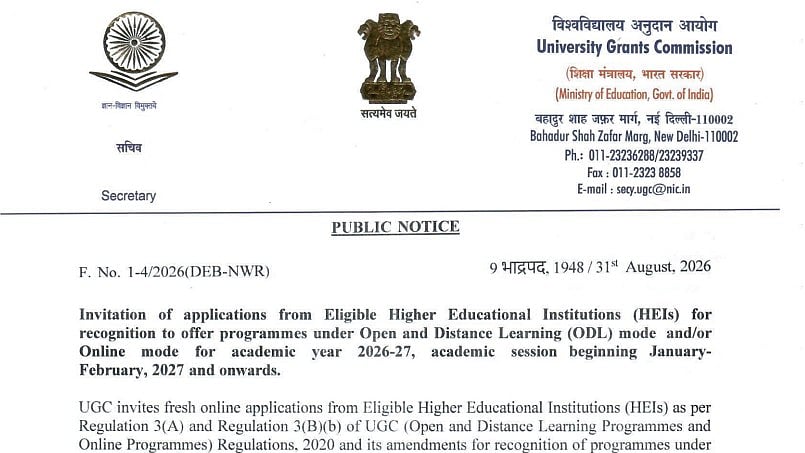
UGC Invites Applications for 2026-27 ODL, Online Programme Recognition

India Compresses Professional Training Across Law, Science, and Medicine

UGC Opens Applications for Distance and Online Courses

NTA Releases UGC-NET June 2026 Re-Exam City Intimation Slip
Allahabad University Opens PhD Admissions For 2026-27 Session