5 days ago
Tibetan Diaspora Urged to Keep Tibet Relevant Globally

For more than 60 years, many Tibetans have lived outside Tibet.
A report says this worldwide community can help keep attention on Tibet.
Tibetans abroad can protest and speak with lawmakers, universities and media organizations.
They can also preserve their culture and share stories about life in exile.
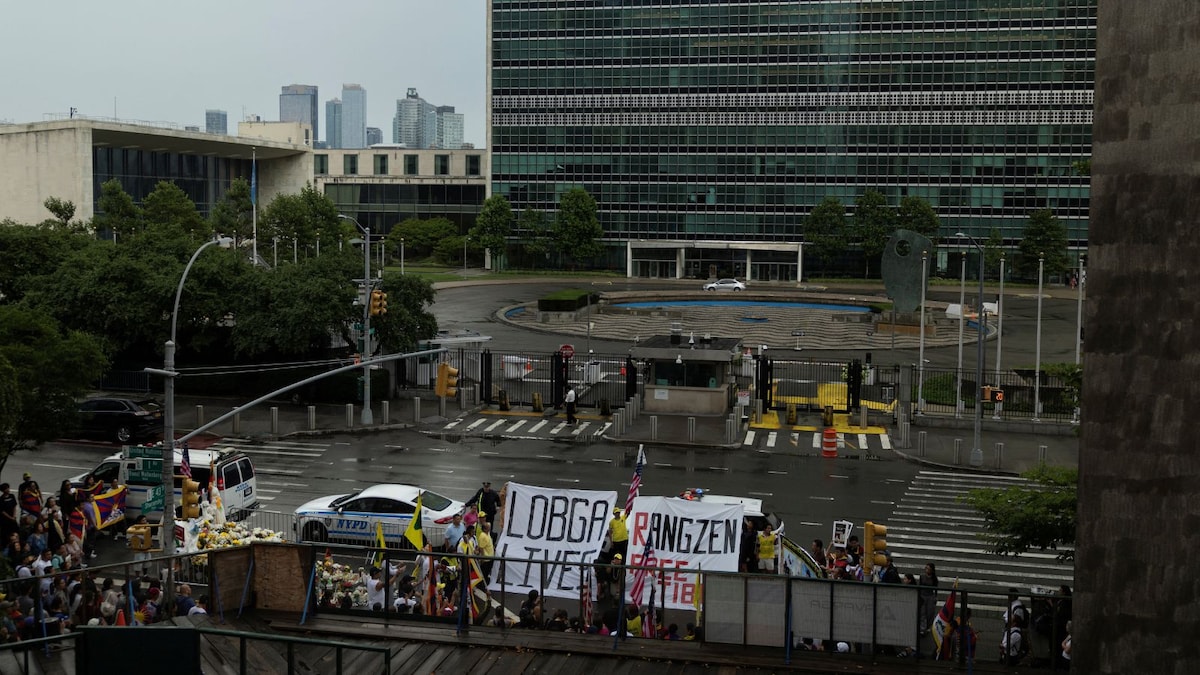
In July, activist Lobga Rangzen died after setting himself on fire outside the United Nations in New York.
Before his death, he called for Tibetan independence and unity.
The report and other Tibetan advocates say Chinese policies threaten Tibetan identity, language and culture.
UN experts have warned that a new Chinese law could encourage forced assimilation and repression across borders.

A report urges Tibetans living abroad to shape international narratives about Tibet.
The diaspora uses protests, advocacy, cultural preservation and storytelling to maintain global attention.
Tibetan organizations and student groups operate across parliaments, universities, media and civil society networks.
Tibetan activist Lobga Rangzen died after self-immolating outside the United Nations headquarters in New York in July.
Critics, including UN experts, say China’s new ethnic-unity law risks forced assimilation and transnational repression.
- Who
- Tibetan people living in exile, Khedroob Thondup, Lobga Rangzen and Tibetan advocacy organizations.
- What
- A report called on the Tibetan diaspora to keep Tibet prominent in international discussions; it also discussed Rangzen’s death after a self-immolation protest.
- Where
- Tibetan communities worldwide, including Australia, India and Europe; the fatal protest occurred outside the United Nations headquarters in New York.
- When
- Tibetans have lived in exile for more than six decades; Rangzen’s self-immolation and death occurred in July.
- Why
- The report says diaspora advocacy is needed to draw attention to alleged human rights abuses and protect Tibetan identity, language and culture.
Key facts
- Report focus
- The Tibetan diaspora’s role in shaping international discourse about Tibet.
- Diaspora activities
- Protests, government advocacy, cultural preservation and public storytelling.
- Organizations mentioned
- The Tibetan government-in-exile, organizations in New York and London, and university student groups.
- July incident
- Activist Lobga Rangzen died after self-immolating outside the United Nations headquarters in New York.
- Final message
- Rangzen called for Tibetan independence and unity in a livestream and social-media message.
- Chinese legislation
- The Promoting Ethnic Unity and Progress Law came into force shortly before the incident.
- UN experts’ warning
- The law risks entrenching forced assimilation and encouraging transnational repression, according to the article.
Quotes
Khedroob Thondup
Nephew of the 14th Dalai Lama and author of the report
“In his final statement, which he posted on his Facebook account, Lobga warned that China’s policies threaten the very survival of Tibetan identity, language, and culture and called on all Tibetans to be united in their fight for the cause of the Tibetan struggle.”
 thehansindia.com
“The Tibetan diaspora embodies the paradox of exile: absence from the homeland, yet presence everywhere else. Their task is not only to remember Tibet but to make Tibet impossible to forget.”
thehansindia.com
Sources
Related news
Tibetans Unite in Protests Marking Activist’s 49th Day

Tibetan man claims China harassing diaspora over ethnic unity law

Tibetans in Kalimpong shave heads to honor activist Lobga Rangzen
Tibetan Youth Congress Hunger Strike Day 19 Seeks UN Action

Tibetan Community in Shimla Seeks UN Protection for Culture

Tibetan youth rally in Gangtok protests China's Ethnic Unity Law
Nepal Flood Death Toll Tops 1,200 as Searches Continue
Satellite Radar May Strengthen Nepal's Flood Warning Systems
Nepal Plans New Landslide Warning System Along China Border

Nepal Thanks India as Glacial Disaster Rescue Efforts Continue
Nepal Warns of Heavy Rain After Deadly Floods