1 week ago
Tibetans Unite in Protests Marking Activist’s 49th Day
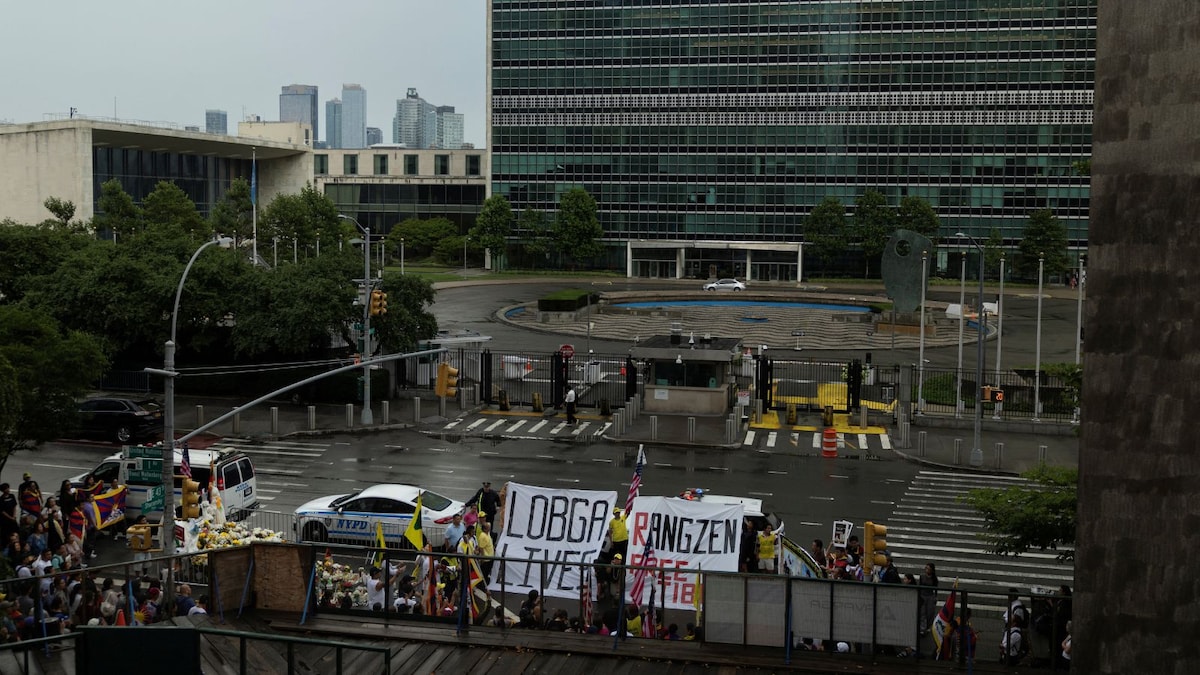
Tibetans held prayers and peaceful marches to remember an activist named Lobga Rangzen.
He died after setting himself on fire outside the United Nations in New York.
He was protesting a Chinese law and China’s policies in Tibet.
Critics say the law could make it harder for Tibetans and other groups to keep their languages, religions and cultures.
China says the law is meant to bring people together.
Rangzen had spoken about protecting Tibet’s identity and asked Tibetans to remain united.
People in New York prayed at a small altar near the place where he died for 49 days.
Tibetan leaders said they respected his commitment but asked others not to harm themselves.

Tibetans in India held prayers and peaceful demonstrations on August 20 to mark the 49th day since Lobga Rangzen’s death.
Rangzen, whose real name was Lobsang Palden, died after setting himself ablaze outside the United Nations headquarters in New York on July 2.
He was protesting China’s Ethnic Unity and Progress Law and Beijing’s policies in Tibet.
Critics say the law could accelerate the erosion of Tibetan, Uyghur and Mongolian linguistic, religious and cultural identities, while China says it promotes national unity.
The Central Tibetan Administration honoured Rangzen but urged Tibetans not to follow his example, emphasizing that human life should be preserved.
- Who
- Tibetan communities, the Central Tibetan Administration and leaders including Penpa Tsering; the protests honoured Lobga Rangzen, also known as Lobsang Palden.
- What
- Prayers and peaceful demonstrations marked the 49th day since Rangzen’s death and protested China’s policies in Tibet.
- Where
- Dharamsala and other Tibetan settlements and cities in India, with gatherings also planned in New York, the United States and elsewhere.
- When
- Thursday, August 20, the 49th day after Rangzen died on July 2.
- Why
- Participants sought to honour Rangzen and draw attention to concerns about China’s Ethnic Unity and Progress Law and its impact on Tibetan identity.
Critics and Tibetan Administration
Chinese Government
Purpose and impact of the law
Critics and Tibetan Administration
Critics and the Central Tibetan Administration say the law creates a framework for forced assimilation and could weaken Tibetan linguistic, religious and cultural identity while increasing surveillance and suppression.
Chinese Government
China says the Ethnic Unity and Progress Law is intended to promote national unity and social cohesion.
Response to self-immolation
Critics and Tibetan Administration
The Central Tibetan Administration presented Rangzen’s act as an attempt to draw attention to the plight of Tibetans and called on the international community to hold China accountable.
Chinese Government
The article does not provide a direct Chinese government response to Rangzen’s self-immolation.
Future activism
Critics and Tibetan Administration
Penpa Tsering said Tibetans should resist policies threatening their identity, while also urging them not to follow Rangzen’s path because human life is precious.
Chinese Government
The article does not state a separate Chinese position on how Tibetans should respond to Rangzen’s death.
Key facts
- Activist remembered
- Lobga Rangzen, whose real name was Lobsang Palden
- Date of death
- July 2
- Commemorative date
- August 20, described in the article as the 49th day since his death
- Location of self-immolation
- Outside the United Nations headquarters in New York
- Main protest concern
- China’s Ethnic Unity and Progress Law and policies in Tibet
- Main gathering
- A two-hour prayer service and march in Dharamsala, India
- Reported self-immolations
- More than 170 Tibetans have self-immolated since 2009, according to the article
Quotes
Lobga Rangzen (Lobsang Palden)
Tibetan independence activist who self‑immolated outside the UN in 2024
“"Whether the objectives of this law succeed in the long run depends on how Tibetans inside and outside Tibet resist this sinister strategy and the extent to which the international community supports the truth and the just cause of the Tibetan people"”
 CNBC TV 18
“"If we don't do anything, we will get nothing. We are all Tibetans. Therefore, we should work for the Tibetan nation; we should work for the people of Tibet."”
CNBC TV 18
Sources
Related news
Tibetans in Kalimpong shave heads to honor activist Lobga Rangzen

Tibetan Communities Hold Global 49th-Day Memorial for Lobsang Palden
Tibetan Youth Congress Hunger Strike Day 19 Seeks UN Action

Tibetan youth rally in Gangtok protests China's Ethnic Unity Law

Tibetan Community in Shimla Seeks UN Protection for Culture
Nepal Flood Death Toll Tops 1,200 as Searches Continue
Satellite Radar May Strengthen Nepal's Flood Warning Systems
Nepal Plans New Landslide Warning System Along China Border

Nepal Thanks India as Glacial Disaster Rescue Efforts Continue
Nepal Warns of Heavy Rain After Deadly Floods