

2 hrs ago
Digital Protests Challenge Traditional Crowd Management and Civil Rights
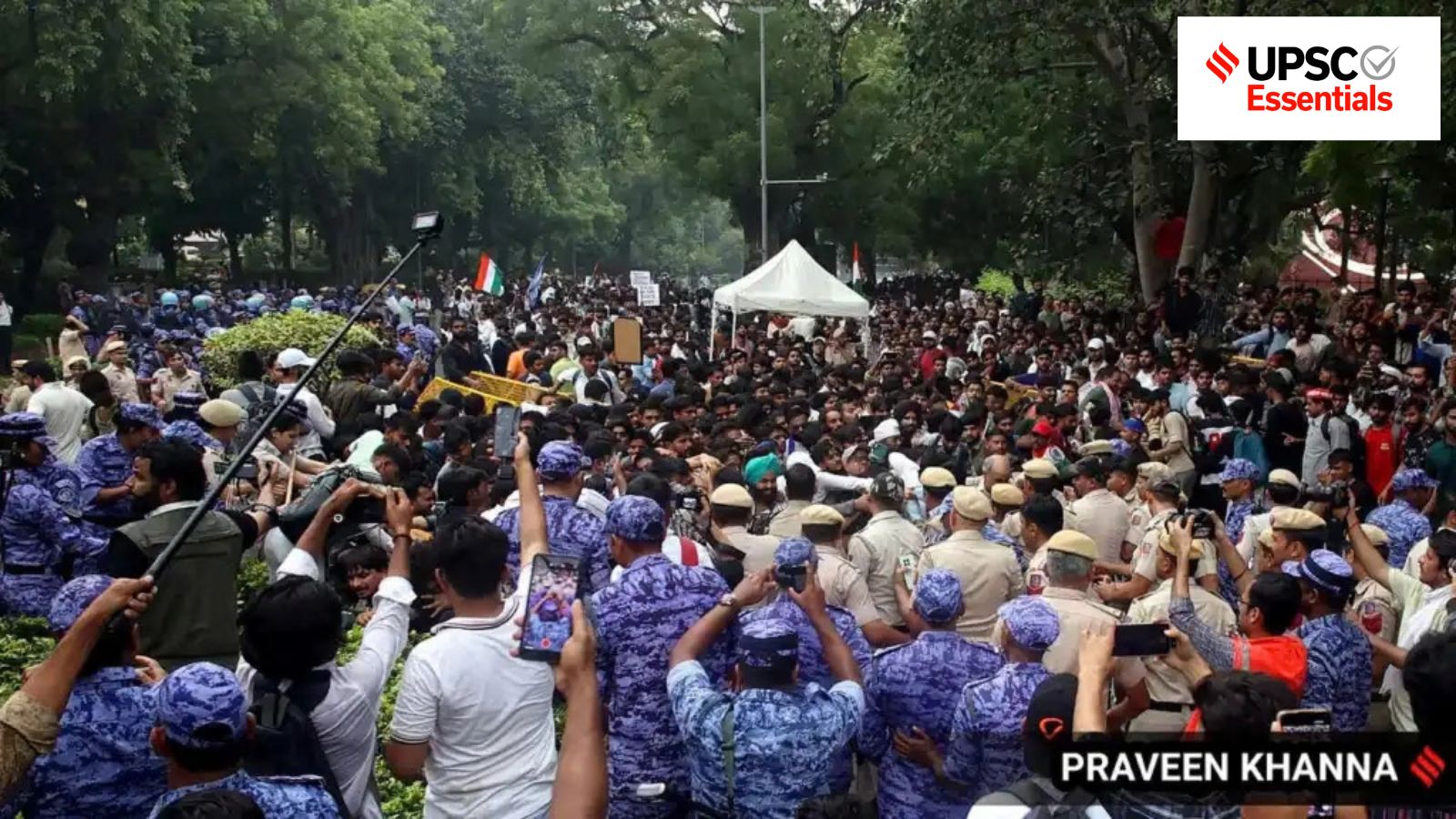
Young people can now use social media to organise protests very quickly.
Online messages and hashtags can bring many people together in streets and public places.
In India, people have rights to speak and gather peacefully.
The government can still make reasonable rules to protect safety and public order.
Police are expected to talk, warn and negotiate before using force.
If a crowd becomes violent, authorities may use stronger measures, but these should be necessary and limited.
New tools such as drones, cameras, biometrics and artificial intelligence can help police understand crowds.
However, these tools may also invade privacy or unfairly restrict peaceful protesters.
The article says democratic crowd management should focus more on communication, accountability and rights than on punishment.

Youth-led protests increasingly use digital networks to mobilise support before moving into physical demonstrations.
India’s constitutional protections for speech and peaceful assembly permit reasonable restrictions for sovereignty, integrity and public order.
The Bharatiya Nagarik Suraksha Sanhita gives authorities powers to regulate gatherings, while force is expected to be necessary and proportionate.
Digital mobilisation creates risks involving misinformation, anonymity, deepfakes, cyber-attacks and potential lone-actor violence.
Technologies such as drones, biometrics, internet shutdowns and AI surveillance raise concerns about privacy, censorship and excessive state monitoring.
- Who
- Youth-led protesters, government authorities and law-enforcement agencies are the principal actors discussed.
- What
- The article examines how digitally networked protests are changing crowd management and argues for rights-based, technology-enabled policing.
- Where
- The discussion focuses primarily on India, while also referring to international human-rights standards.
- When
- The article addresses contemporary protests; it does not identify a single specific date for the broader trend.
- Why
- Digital networks can mobilise protests rapidly and create risks involving misinformation, anonymity and violence, while government responses can affect privacy and civil liberties.
Protest Rights and Civil Liberties
Public Order and Security
Regulating assemblies
Protest Rights and Civil Liberties
Citizens have constitutional rights to speak and assemble peacefully, and the state cannot impose arbitrary or blanket bans on public gatherings.
Public Order and Security
Authorities may regulate the route, location and timing of assemblies and restrict them when necessary to protect public order, safety, sovereignty or national integrity.
Use of force
Protest Rights and Civil Liberties
Police should prioritise dialogue, persuasion, negotiation and targeted enforcement, with force used only when necessary and never as punishment.
Public Order and Security
When gatherings become unlawful or violent, authorities may use graduated measures, including barricades, tear gas, water cannons and, as an absolute last resort, firearms or pellet guns.
Technology in protest management
Protest Rights and Civil Liberties
Biometrics, facial recognition, internet shutdowns, AI surveillance and real-time monitoring can threaten privacy, open internet access and freedom from excessive surveillance.
Public Order and Security
Digital monitoring, drones, mapping and other technologies can help authorities assess risks, manage large gatherings and respond to misinformation, cyber-attacks and potential violence.
Key facts
- Constitutional basis
- Freedom of speech and peaceful assembly are protected under Articles 19(1)(a) and 19(1)(b) of the Constitution of India.
- Permitted restrictions
- Articles 19(2) and 19(3) allow reasonable restrictions in specified interests, including public order.
- Recent court action
- The Supreme Court quashed FIRs against NEET-UG protesters and reaffirmed that peaceful assembly rights originate in the Constitution.
- Police powers
- The Bharatiya Nagarik Suraksha Sanhita allows authorities to regulate the route, location and timing of public gatherings and issue lawful directions.
- Force policy
- The article says civil force should be used only as a last resort and in proportion to the real threat of violence.
- Digital tools
- Government responses may include internet shutdowns, biometric identification, social-media regulation, drone surveillance and AI-assisted surveillance.
- Recommended approach
- The article advocates legality, necessity, proportionality, non-discrimination, transparent decision-making and communication with protesters.
Sources
Related news
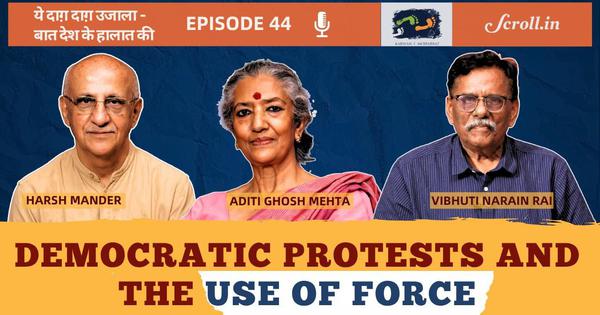
Police Force During Delhi Protest Draws Supreme Court Inquiry

Gen Z Protests Knock on India’s Democratic Door

Courts Protect Students’ Right to Protest Against State Overreach
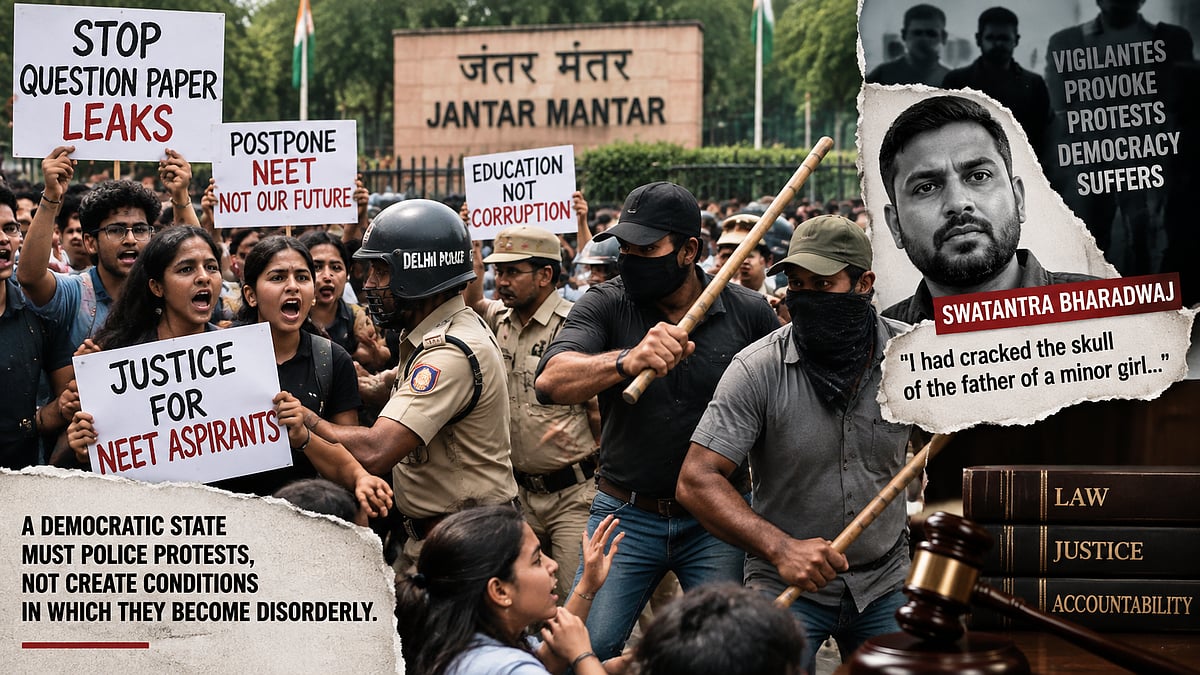
Government Must Prevent Vigilantes From Joining Police At Protests
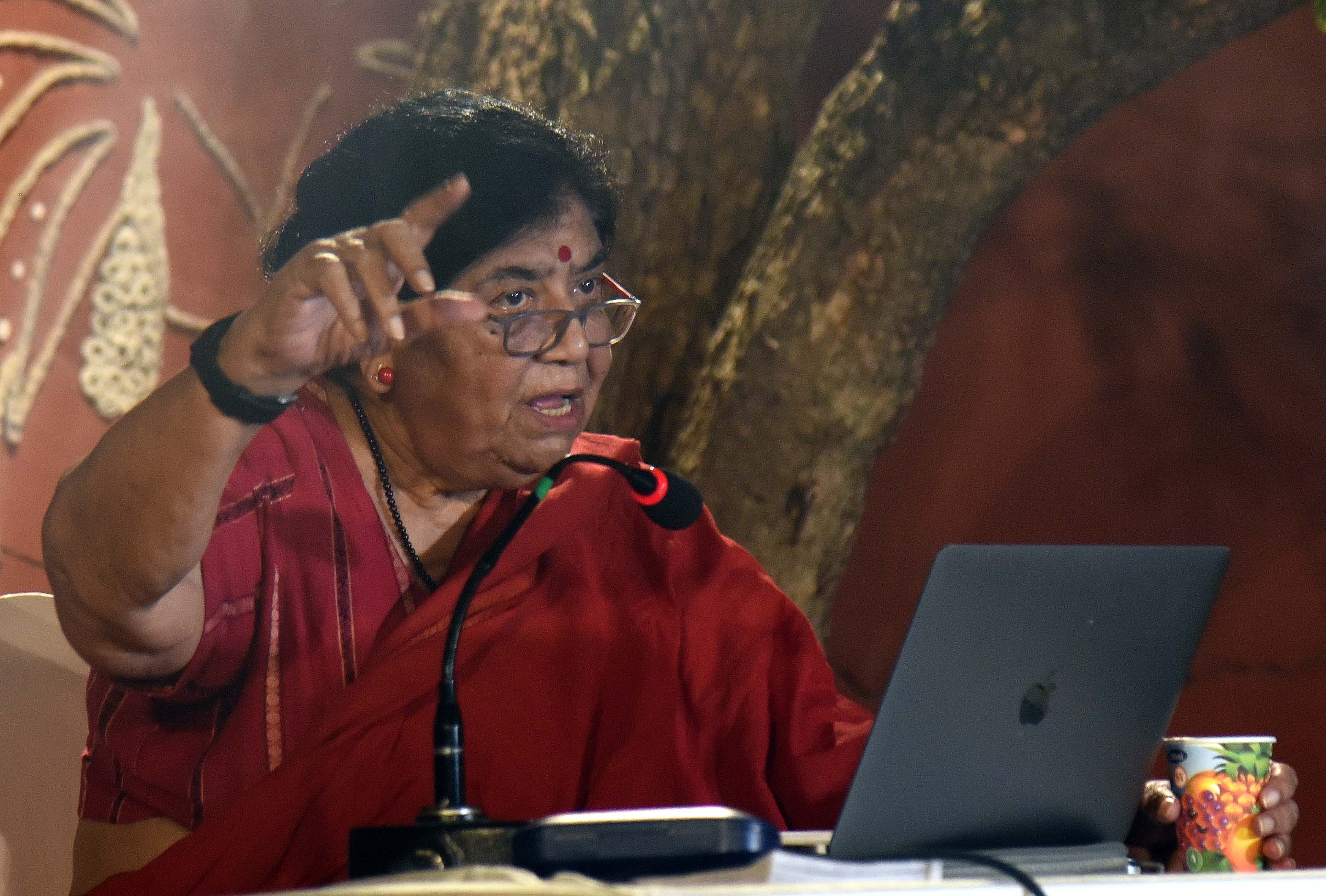
Historian Links Gandhi’s Satyagraha to Smartphone-Era Youth Protest

FIRs Quashed for NEET Protesters, but Selectivity Raises Questions

Supreme Court Commutes Death Sentence, Clarifies Rarest Of Rare Doctrine
Election Commission Faces Credibility Test Over SIR Dispute
Supreme Court Questions Bengaluru Infrastructure Amid Premium FAR Case
Supreme Court Upholds Compensation for Illegal Homestay Arrest
