23 hrs ago
Government Must Prevent Vigilantes From Joining Police At Protests
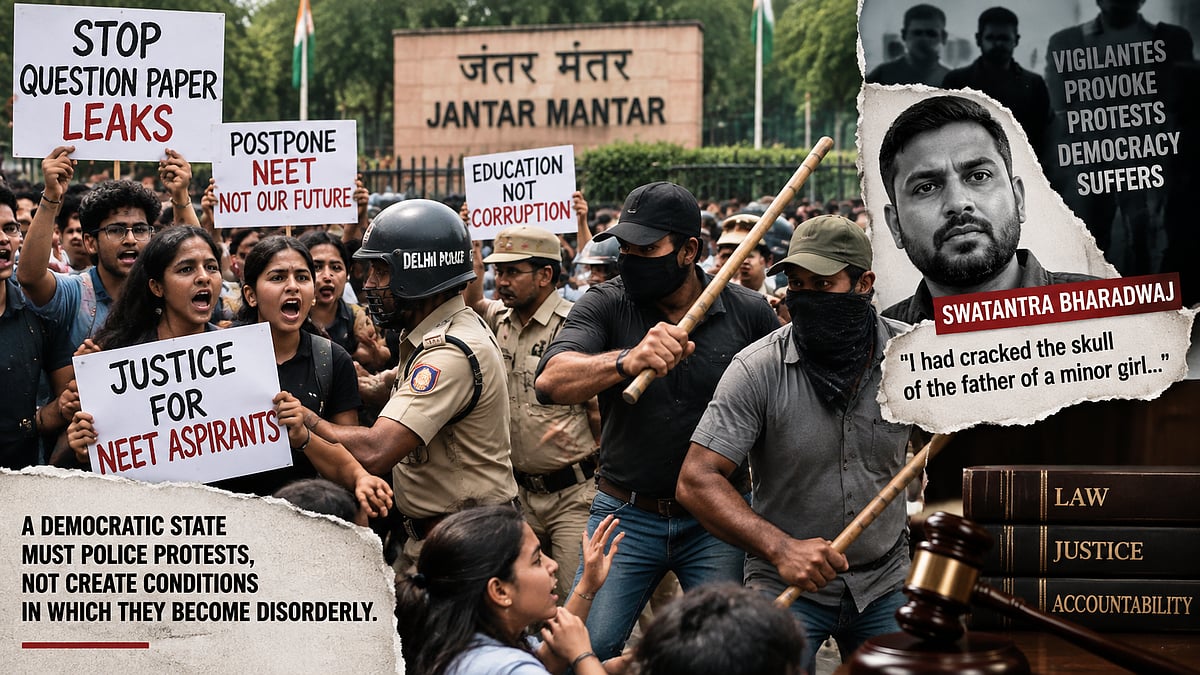
Students gathered at Jantar Mantar to protest leaked exam papers and the postponement of NEET.
Police were present because they are responsible for keeping order.
The article says some men in ordinary clothes appeared to attack or provoke the students.
Their identities have not been disclosed.
One man, Swatantra Bharadwaj, said he had hurt the father of a minor protester.
He also claimed that political connections had protected him, though this was disputed.
Bharadwaj was later arrested after people criticized the delay in action.
The article says only lawful police forces should control protests and that all allegations should be investigated fairly.

Students protested at Jantar Mantar over question-paper leaks and the postponement of NEET.
The editorial alleges that unidentified men in plain clothes, carrying lathis, attacked or provoked protesters alongside police.
Swatantra Bharadwaj claimed he had injured the father of a minor protester and cited political connections as protection.
Bharadwaj was arrested after public pressure, and a separate FIR invoked POCSO provisions over alleged online harassment and threats.
The editorial argues that police alone should manage protests and that allegations must be investigated impartially.
- Who
- Students, police, alleged plain-clothes men, Swatantra Bharadwaj, and ministers Kapil Mishra and Chirag Paswan are central to the article.
- What
- A protest over question-paper leaks and the postponement of NEET involved allegations of attacks, provocation, political protection, and online threats.
- Where
- The protest took place at Jantar Mantar; the article refers to Delhi authorities and ministers.
- When
- The article does not provide a specific date; Bharadwaj was arrested after students and others applied public pressure.
- Why
- Students were protesting question-paper leaks and the postponement of NEET, while the editorial calls for police-controlled, impartial management of demonstrations.
Editorial Criticism
Reported Denials And Official Response
Bharadwaj’s alleged political protection
Editorial Criticism
The editorial says Bharadwaj claimed political connections had protected him and argues that the delayed police response created an impression of official indulgence.
Reported Denials And Official Response
Chirag Paswan denied any connection with Bharadwaj and filed a complaint against him for using his name.
Role of plain-clothes actors
Editorial Criticism
The editorial alleges that unidentified men carrying lathis acted alongside police, attacked protesters, and may have provoked violence.
Reported Denials And Official Response
The article does not provide an official explanation identifying these men or confirming the allegations.
How protests should be controlled
Editorial Criticism
The editorial argues that police alone have the legal authority to manage demonstrations and that unofficial actors should be excluded.
Reported Denials And Official Response
The article acknowledges the police’s duty to maintain order but does not present a detailed alternative position from officials.
Key facts
- Protest location
- Jantar Mantar
- Protest issues
- Question-paper leaks and the postponement of NEET
- Alleged attacker
- Swatantra Bharadwaj
- Police action
- Bharadwaj was arrested after sustained public pressure
- Additional case
- A separate FIR included provisions of the POCSO Act over alleged online harassment and threats against a minor protester
- Ministerial response
- Chirag Paswan denied any connection with Bharadwaj and filed a complaint against him for using his name
- Editorial position
- The police alone should control protests, while allegations should be investigated without political influence
Sources
Related news
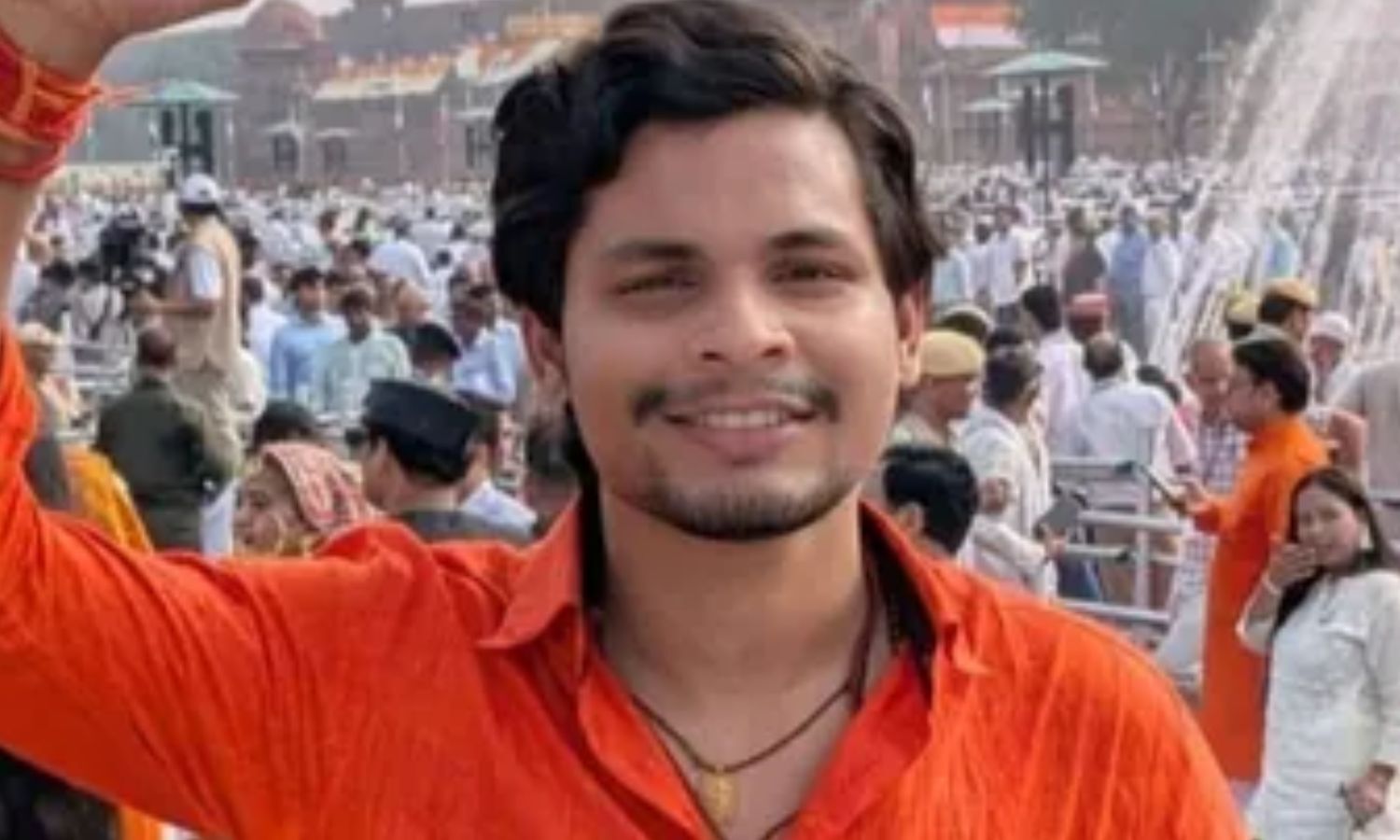
Swatantra Bhardwaj Detained in UP Over Alleged Jantar Mantar Assault
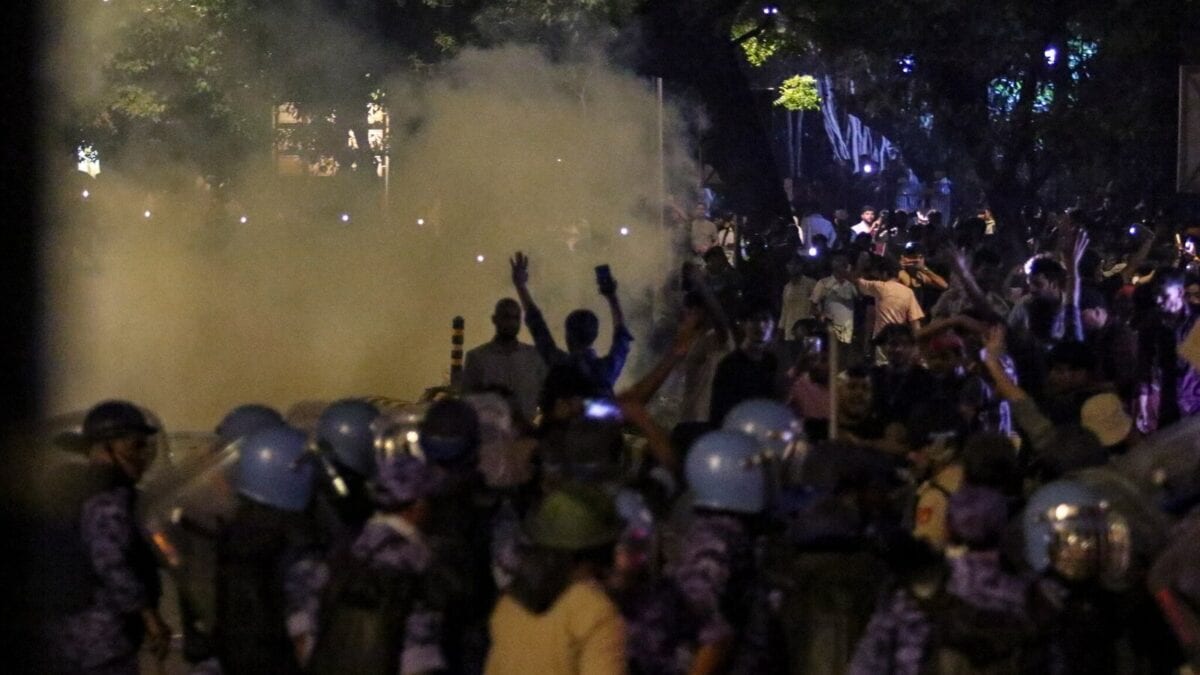
Justice Bhuyan Calls Police Assaults on Protesters Very Distressing

CJP Protests at Police Station Over Alleged Assault
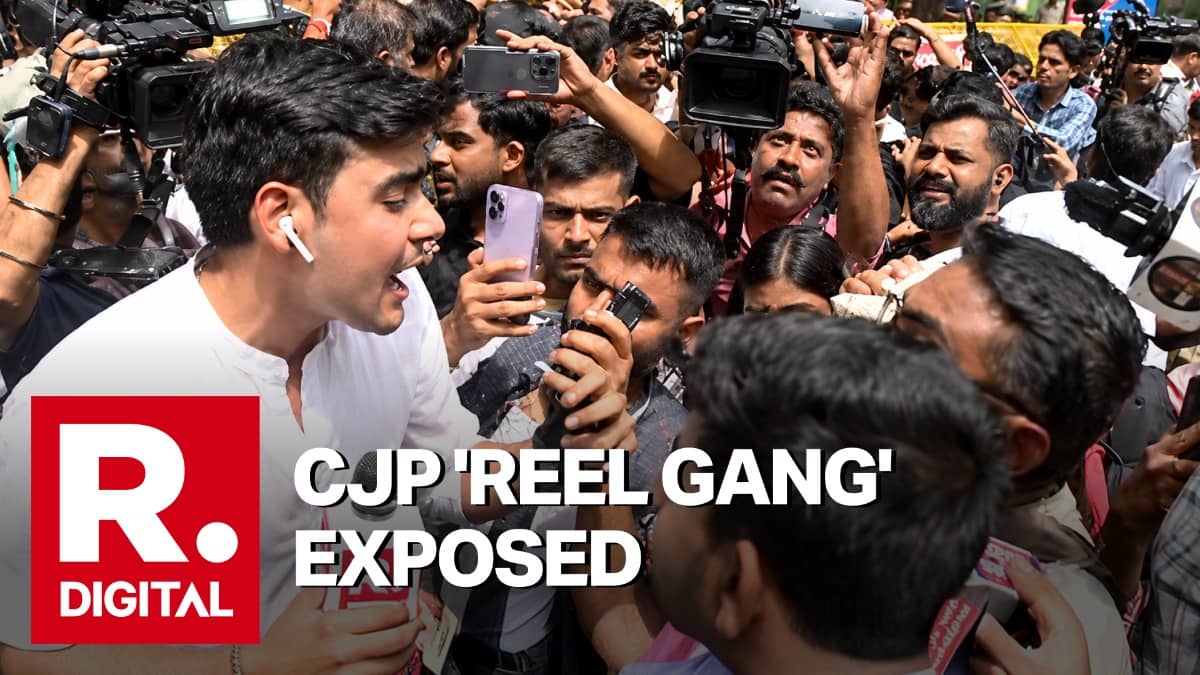
CJP Demands Strict Action After Viral Jantar Mantar Assault Claims
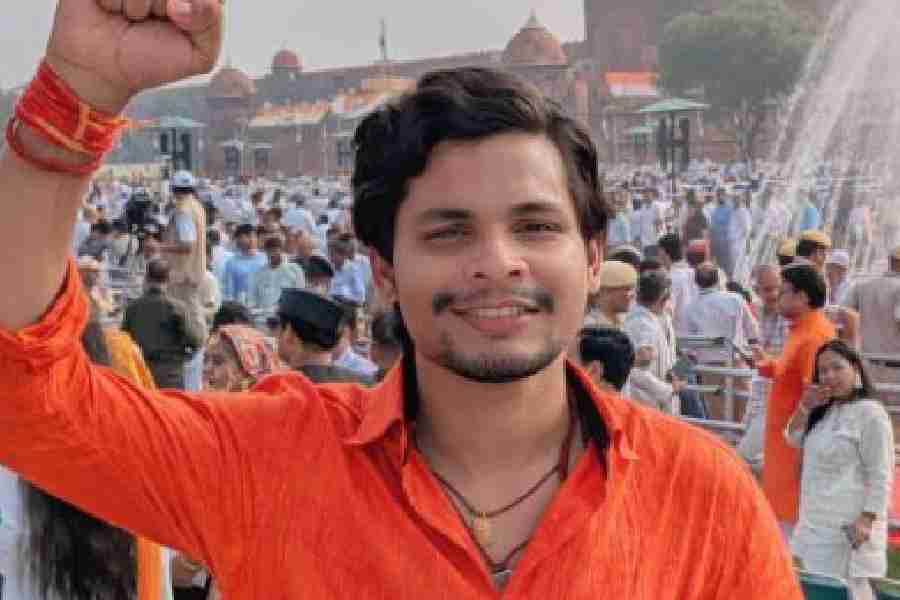
Swatantra Bhardwaj Sent to Police Custody in Protest Assault Case

Delhi Tightens Jantar Mantar Security Over Unauthorised Reservation Protest
Family Acquaintance Arrested in Jaipur Rape Case Involving Five-Year-Old

Swatantra Bhardwaj Sent to One-Day Custody in Assault Case
Security Tightened Around Delhi Police Station After Influencer Detention