4 hrs ago
FIRs Quashed for NEET Protesters, but Selectivity Raises Questions

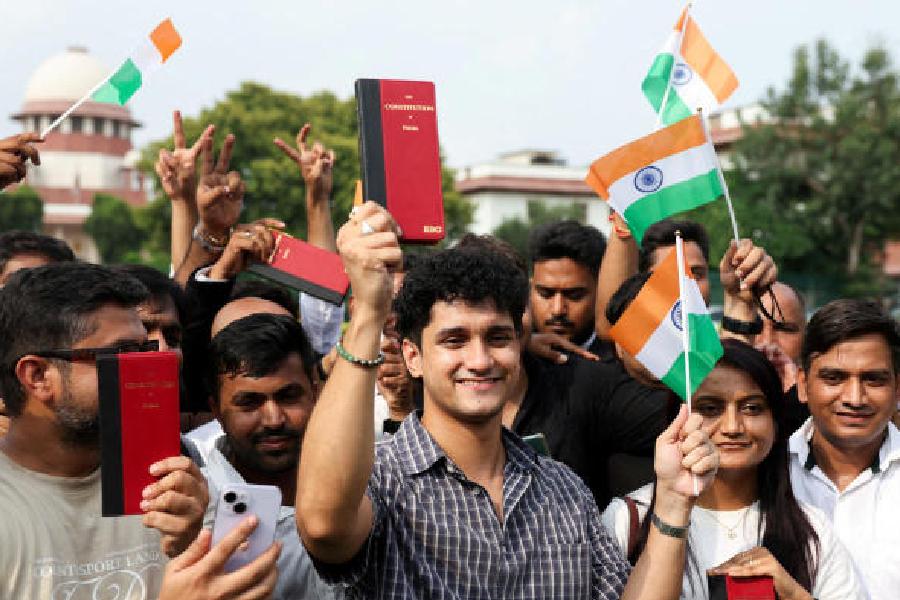
Students protested at Jantar Mantar after concerns about a NEET paper leak.
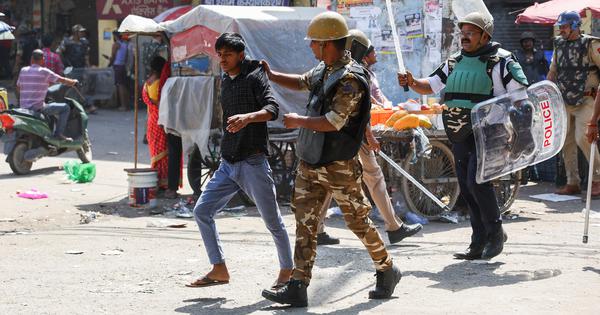
Police responded harshly to the largely young group of protesters.
On Tuesday, a three-judge bench ordered that all related FIRs be closed.
The article says this was good news for those protesters.
However, it asks why similar relief has not been given to everyone who was arrested during protests.
In Noida, as many as 200 factory workers were detained while demanding higher wages.
Some were held for an average of 53 days, and two were detained under a strict national security law.
Cases from citizenship-law and farmers’ protests are still pending.
The main question is whether the government is treating different protesters differently.

A three-judge bench led by Chief Justice of India Surya Kant quashed all FIRs linked to the NEET paper-leak protests.
The protests began at Jantar Mantar, where mostly young demonstrators sought a hearing from Parliament representatives.
The article questions whether closing these cases selectively leaves other protesters facing prolonged legal proceedings.
In Noida, up to 200 factory-worker protesters were detained, including two under the National Security Act.
Cases involving citizenship-law protests, farmers’ protests and other dissenters remain pending or unresolved.
- Who
- A three-judge bench led by Chief Justice of India Surya Kant, governments at the Centre and in some states, and protesters.
- What
- The bench quashed all FIRs connected with the NEET paper-leak protests, prompting questions about unequal treatment of other protesters.
- Where
- The NEET protests took place at Jantar Mantar; other cases discussed involve Noida, Uttar Pradesh, and protesters across the country.
- When
- The FIRs were quashed on Tuesday; an Allahabad High Court detention order mentioned in the article came on Wednesday.
- Why
- The FIRs were quashed after requests from the Centre and some state governments, although the article questions whether the relief was selective.
Case for Broad Protester Relief
Concern About Selective Relief
Quashing the FIRs
Case for Broad Protester Relief
Closing the cases is viewed as appropriate because the protests involved citizens exercising their constitutional right to peaceful protest.
Concern About Selective Relief
The article questions whether the cases were closed for the right reason if similar cases against other protesters remain active.
Government discretion
Case for Broad Protester Relief
The Centre and some state governments requested that the FIRs be quashed.
Concern About Selective Relief
The article argues that selective government action can leave the legal process itself functioning as punishment for excluded protesters.
Key facts
- NEET protest cases
- All FIRs were quashed by a three-judge bench led by Chief Justice of India Surya Kant.
- Protest location
- Students demonstrated at Jantar Mantar against the NEET paper leak.
- Noida detentions
- Up to 200 factory-worker protesters were taken into custody while demanding higher wages.
- National Security Act
- Two people in the Noida cases were detained under the NSA.
- Court relief in Noida
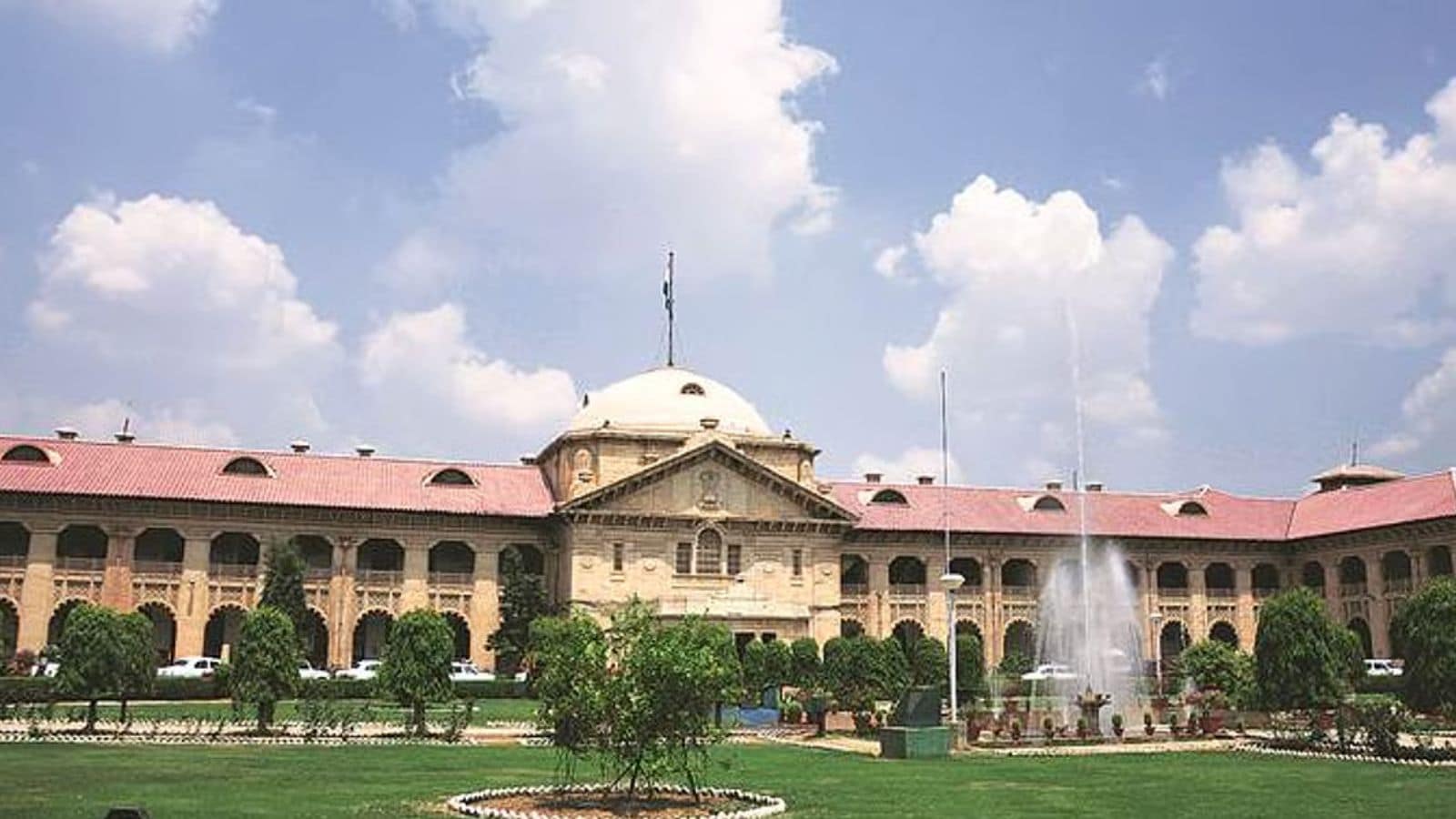
- The Allahabad High Court granted relief in 84 percent of the cases.
- Average custody
- Protesters in the Noida cases spent an average of 53 days in custody.
- Other pending cases
- Cases linked to citizenship-law protests, farmers’ protests and other dissent remain pending or unresolved.
Quotes
Chief Justice of India Surya Kant and the Supreme Court bench
The three-judge Supreme Court bench led by Chief Justice of India Surya Kant
“All the FIRs … are hereby quashed.”
 indianexpress.com
Sources
Related news
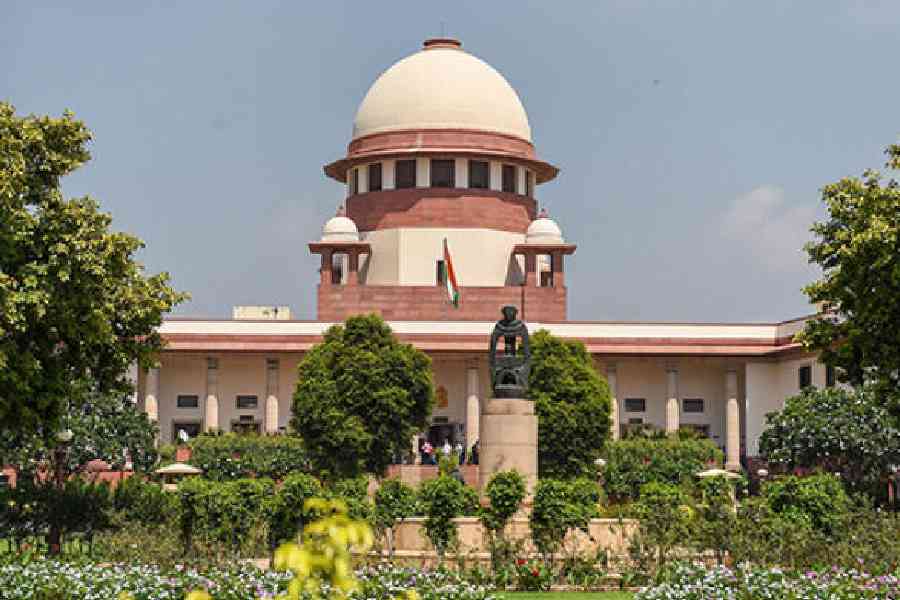
Supreme Court to Quash FIRs Against Innocent NEET Protesters
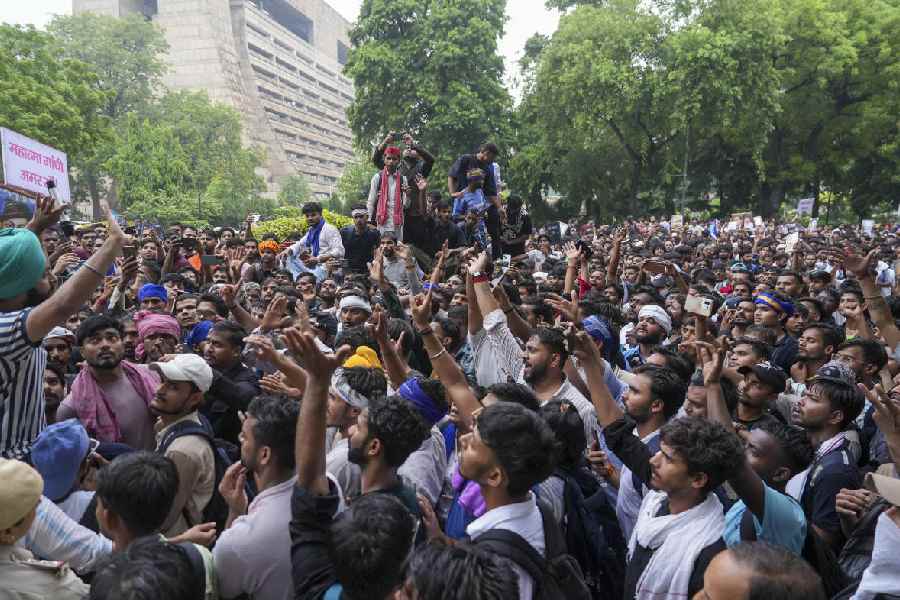
Centre Seeks Supreme Court Quashing of NEET Protest FIRs
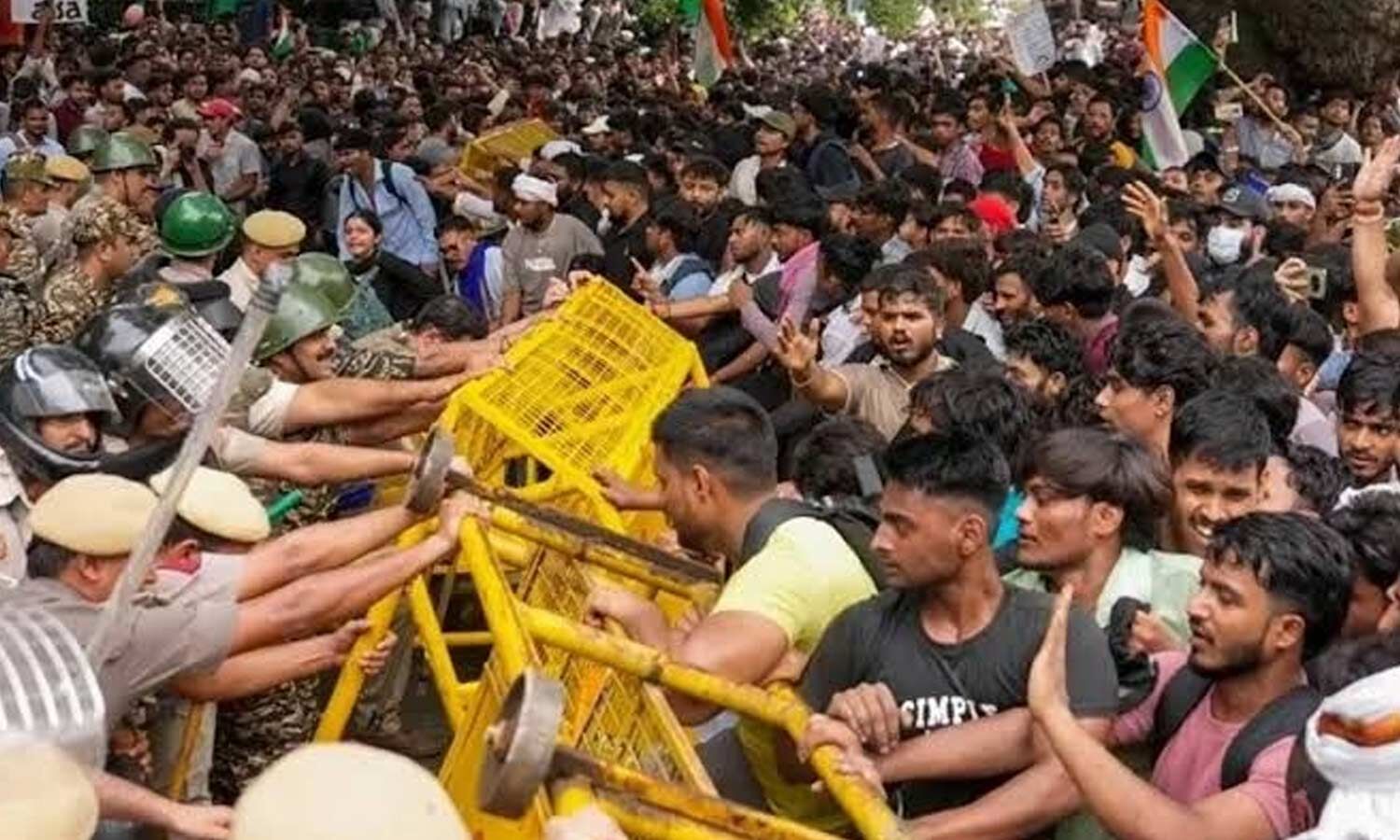
Supreme Court Quashes NEET Protest FIRs, CJP Calls Off March

Supreme Court Quashes NEET Protest FIRs, CJP Cancels Rally
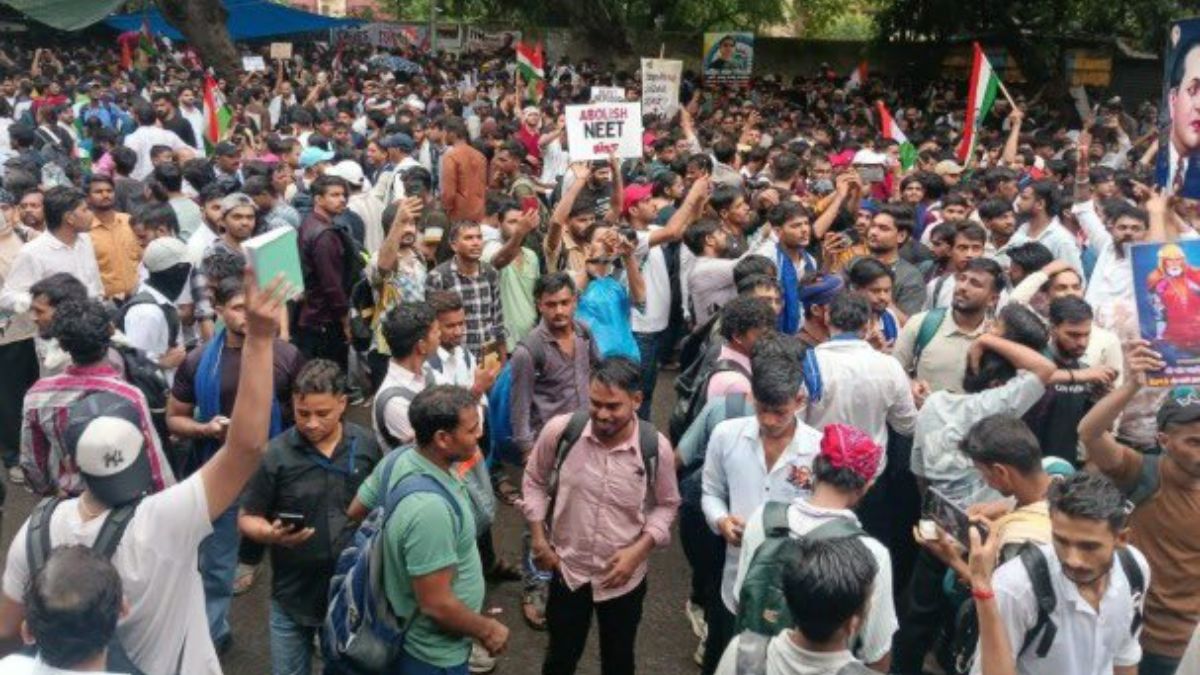
Supreme Court Quashes NEET Protest FIRs; CJP Calls Off March
Supreme Court Quashes Student Protest FIRs, CJP Withdraws March

Tamil Nadu Language Push Meets Court Relief for Protest Student
High Court Quashes Chaudhary’s NSA Detention, Orders ₹5 Lakh Compensation
Indian Courts and Officials Face Detention, Speech Controversies

Films Raise Awareness of Violence but Cannot End It