3 weeks ago
Assam CM faces flak over stand on unauthorised flood donations
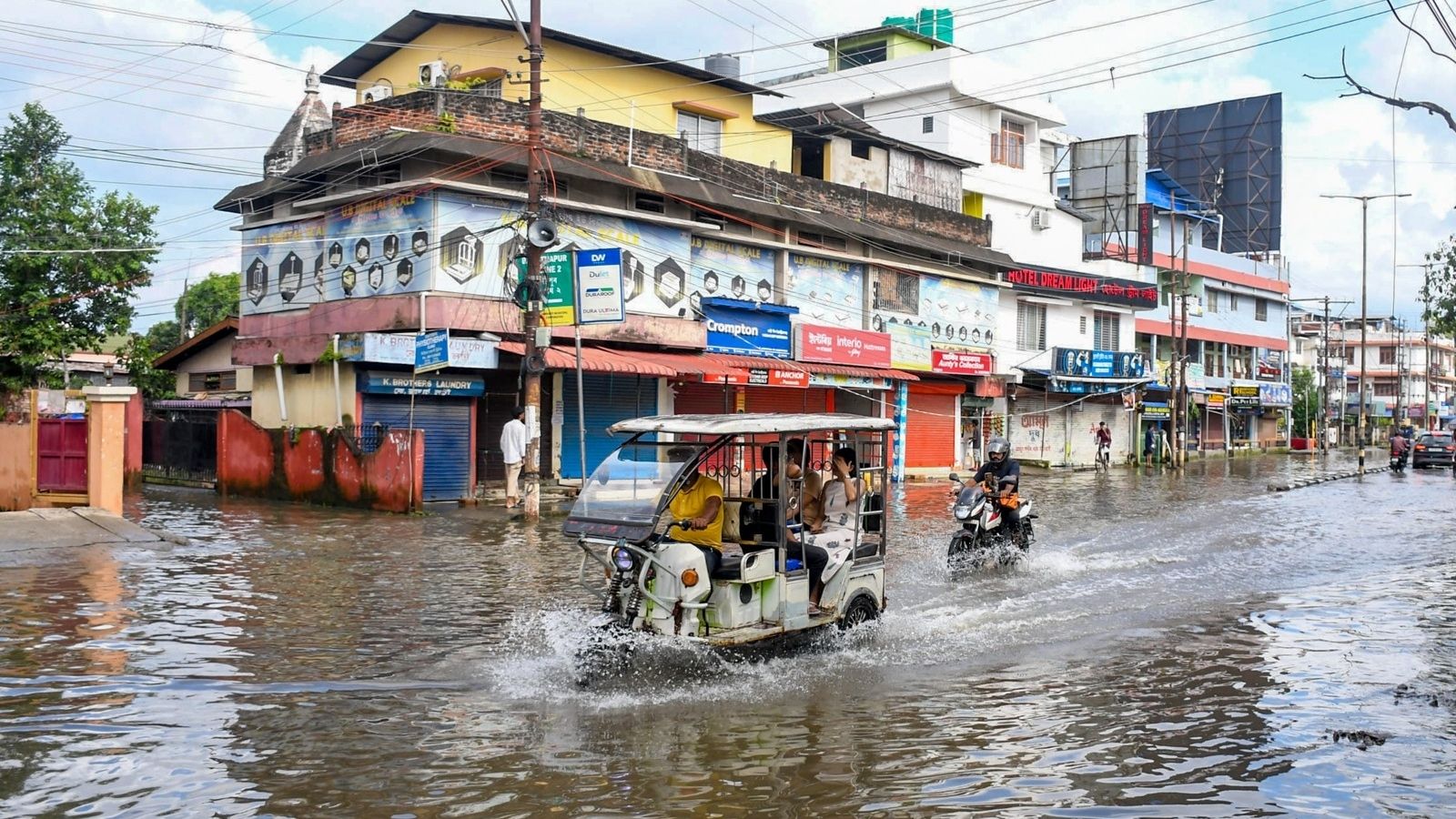
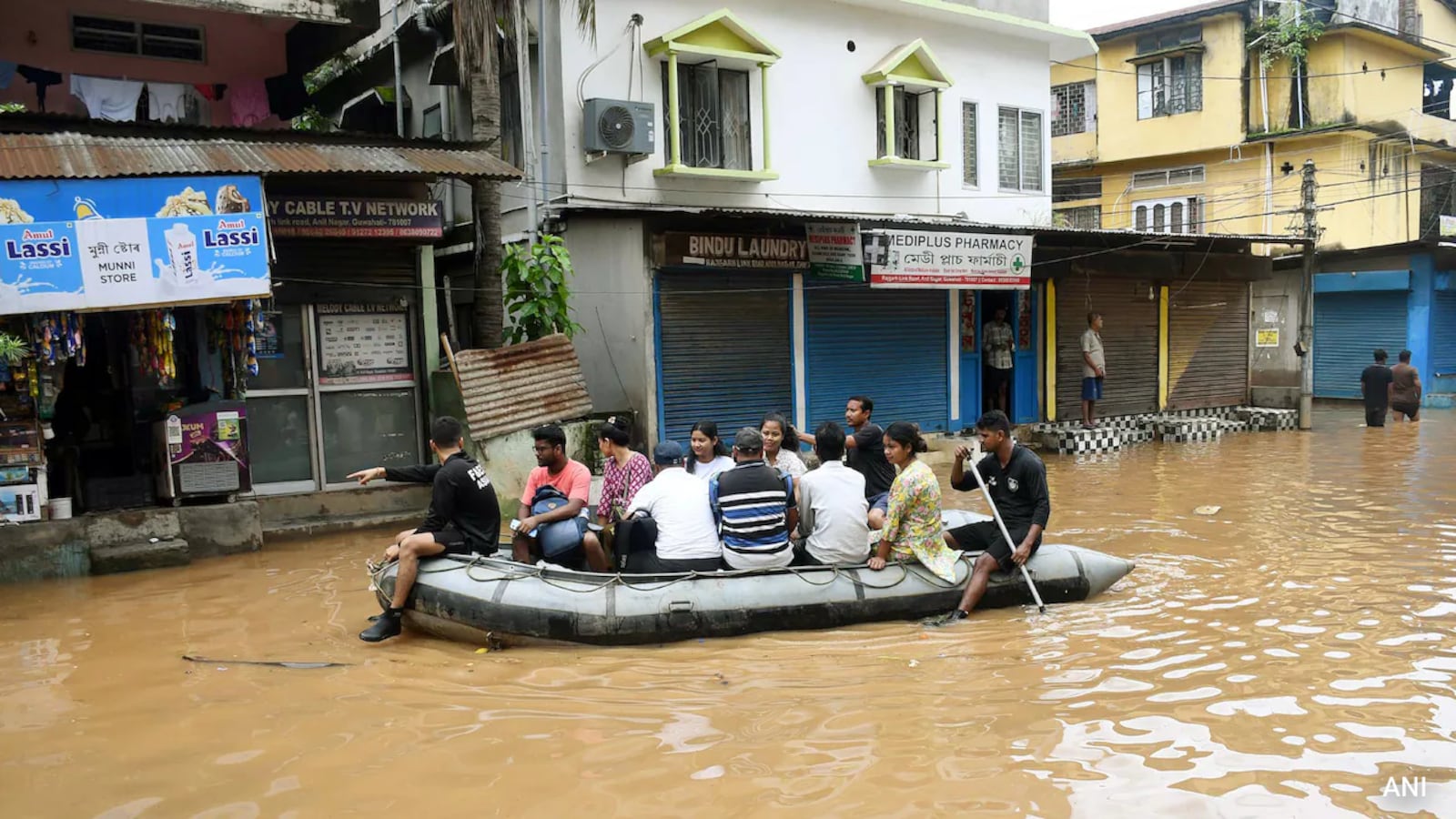
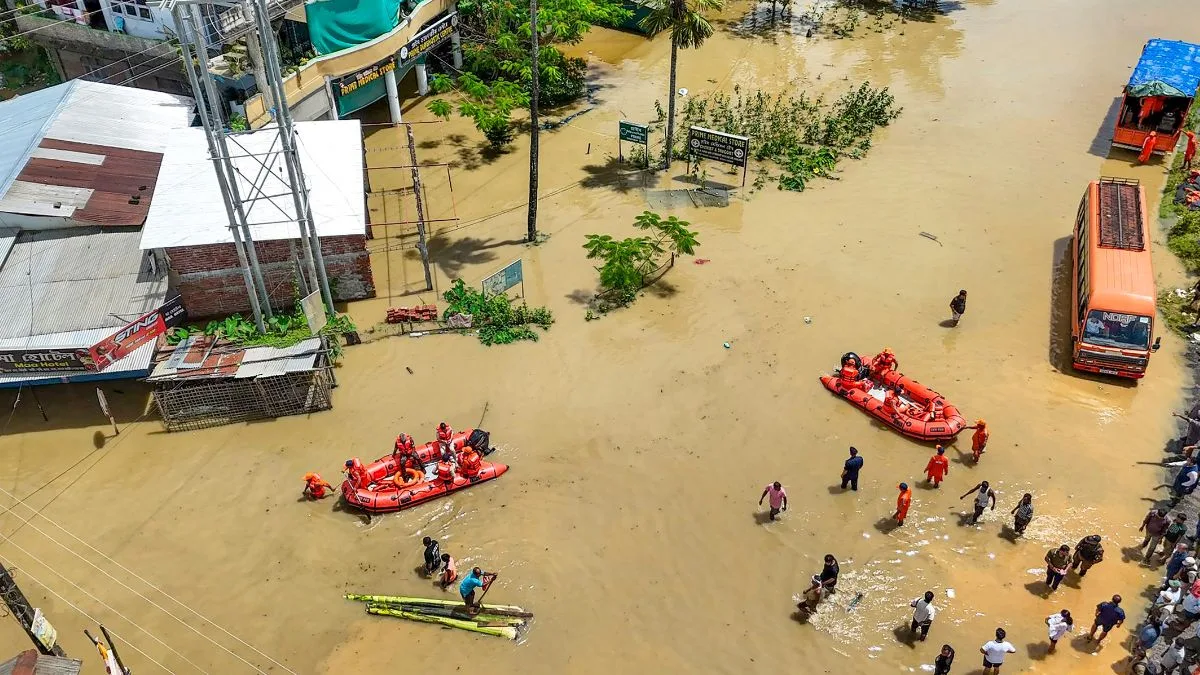
Many parts of Assam in India are having really big floods.
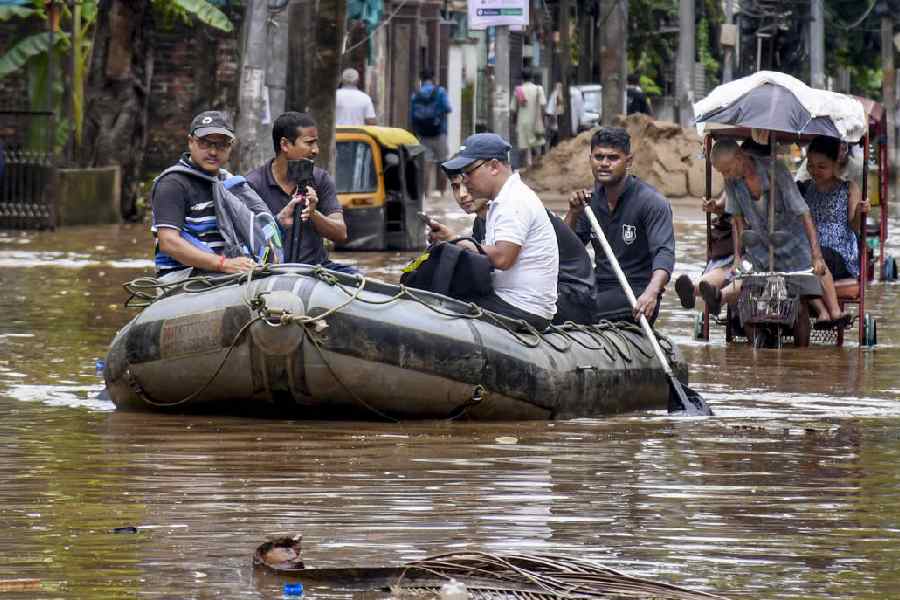
Water has covered homes and fields, and sadly more than 85 people have died.
Many kind people and groups are trying to help by collecting food, rice and money.
The leader of Assam, called the Chief Minister, said some people are collecting donations without permission.
He asked the police to stop these roadside and shop-to-shop donation collections.
He wants people to give money only through official channels.
But some helpers are upset about this decision.
They say their help is very important because the government's relief is not enough.
One helper said his camp got only a little rice even though thousands of people needed food.
The Chief Minister says donations should be done in a proper, organised way.

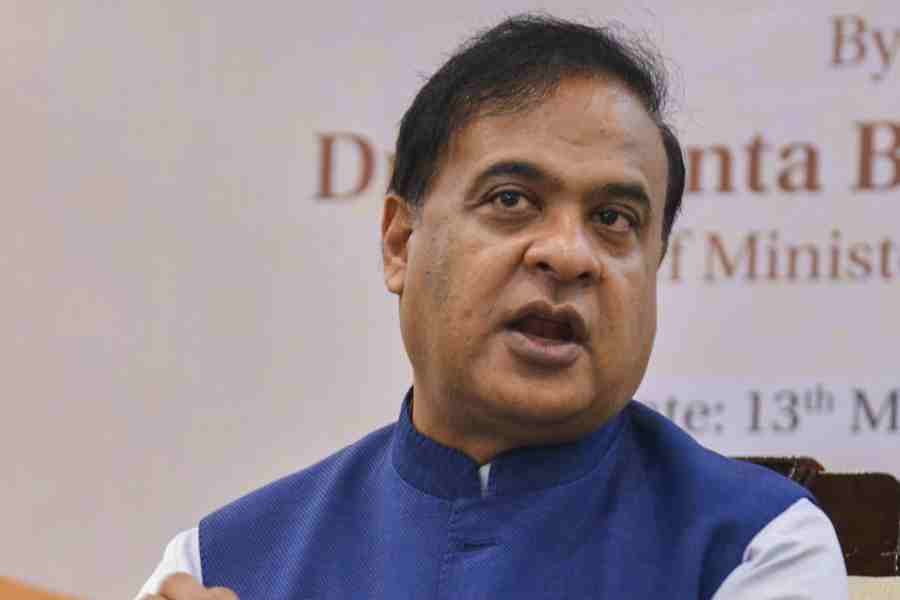
Assam Chief Minister Himanta Biswa Sarma faced criticism for opposing unauthorised collection of donations for flood relief.
Sarma ordered a police crackdown on unauthorised and forcible collections from commuters, shopkeepers, vendors and passers-by, urging donations only through authorised channels.
Singer-composer Nilotpal Bora said Sarma should have thanked the public, claiming public intervention saved lives in Jorhat and Sivasagar.
Bir Lachit Sena leader Shrinkhal Chaliha said official relief was inadequate, noting his Sivasagar camp received only 10 quintal rice for over 3,000 people over 18 days.
The Upper Assam districts of Sivasagar, Jorhat, Charaideo and Golaghat have been inundated since July 19, with more than 85 deaths reported.
- Who
- Assam Chief Minister Himanta Biswa Sarma and critics including singer-composer Nilotpal Bora, Bir Lachit Sena leader Shrinkhal Chaliha and AJP president Lurinjyoti Gogoi.
- What
- A controversy over the chief minister's opposition to unauthorised and forcible donation collection for flood relief, and his order for a police crackdown.
- Where
- Upper Assam districts of Sivasagar, Jorhat, Charaideo and Golaghat.
- When
- The four districts have been inundated since July 19; the police crackdown was ordered on a Thursday (exact date not stated).
- Why
- Sarma wants donations channelled through authorised routes and wants forcible collections stopped, while critics say public relief is vital because official relief is inadequate.
Critics and relief volunteers
Chief Minister and administration
Roadside donation drives
Critics and relief volunteers
Public donations saved lives, and the chief minister should thank volunteers instead of ridiculing them; NGOs collecting public funds must not be opposed.
Chief Minister and administration
Roadside drives were acceptable in the initial days, but forcible and unauthorised collections from commuters, shopkeepers and vendors must be stopped; donations should go through authorised channels.
Adequacy of official relief
Critics and relief volunteers
Official relief is inadequate — a Sivasagar camp feeding 3,000 people daily for 18 days received only 10 quintal rice — and the administration was late to respond, making the situation a 'man-made disaster'.
Chief Minister and administration
Relief should be coordinated through authorised channels so that donations reach flood victims in an organised manner rather than through roadside collections.
Key facts
- Chief Minister
- Himanta Biswa Sarma
- Affected districts
- Sivasagar, Jorhat, Charaideo, Golaghat (Upper Assam)
- Deaths reported
- More than 85
- Inundation began
- July 19
- Crackdown ordered
- Police action against unauthorised and forcible donation collections
- Bir Lachit Sena relief camp
- Over 3,000 people served daily for 18 days in Sivasagar
- Rice received by camp
- 10 quintal
- Main critics
- Nilotpal Bora, Shrinkhal Chaliha, Lurinjyoti Gogoi
Quotes
Shrinkhal Chaliha
Leader of Bir Lachit Sena and relief camp organizer
“Had the public not intervened with the relief in the initial phase, at least 15,000 to 2,000 flood‑hit would have died in Jorhat and Sivasagar.”
 telegraphindia.com
“We have till now received 10 quintal rice when we extending relief to 3,000 people every day for 18 days.”
telegraphindia.com
Sources
Related news

Samay Raina Donates ₹10 Lakh to Assam Flood Relief Fund
Assam Flood Death Toll Reaches 100, Including 18 Children
Assam verifies flood relief funds collected by 72 YouTubers
Assam Government To Appreciate YouTubers, Influencers For Flood Aid
Assam Flood Death Toll Reaches 95, 1.6 Lakh Affected
Assam Floods: Death Toll Reaches 100, Affecting 10 Districts
Nepal and Upper Assam Disasters Expose Climate Risks

Assam Police Forms SIT to Probe Bir Lachit Sena Leader’s Death

The Great Khali Joins Assam Flood Housing Relief Effort
Assam Floods Prompt Calls for Unity Beyond Political Divisions
Three Complaints Filed Over Alleged Threat to Akhil Gogoi