

2 weeks ago
India's Enduring Answer to Collapse Predictions on 79th Independence Day
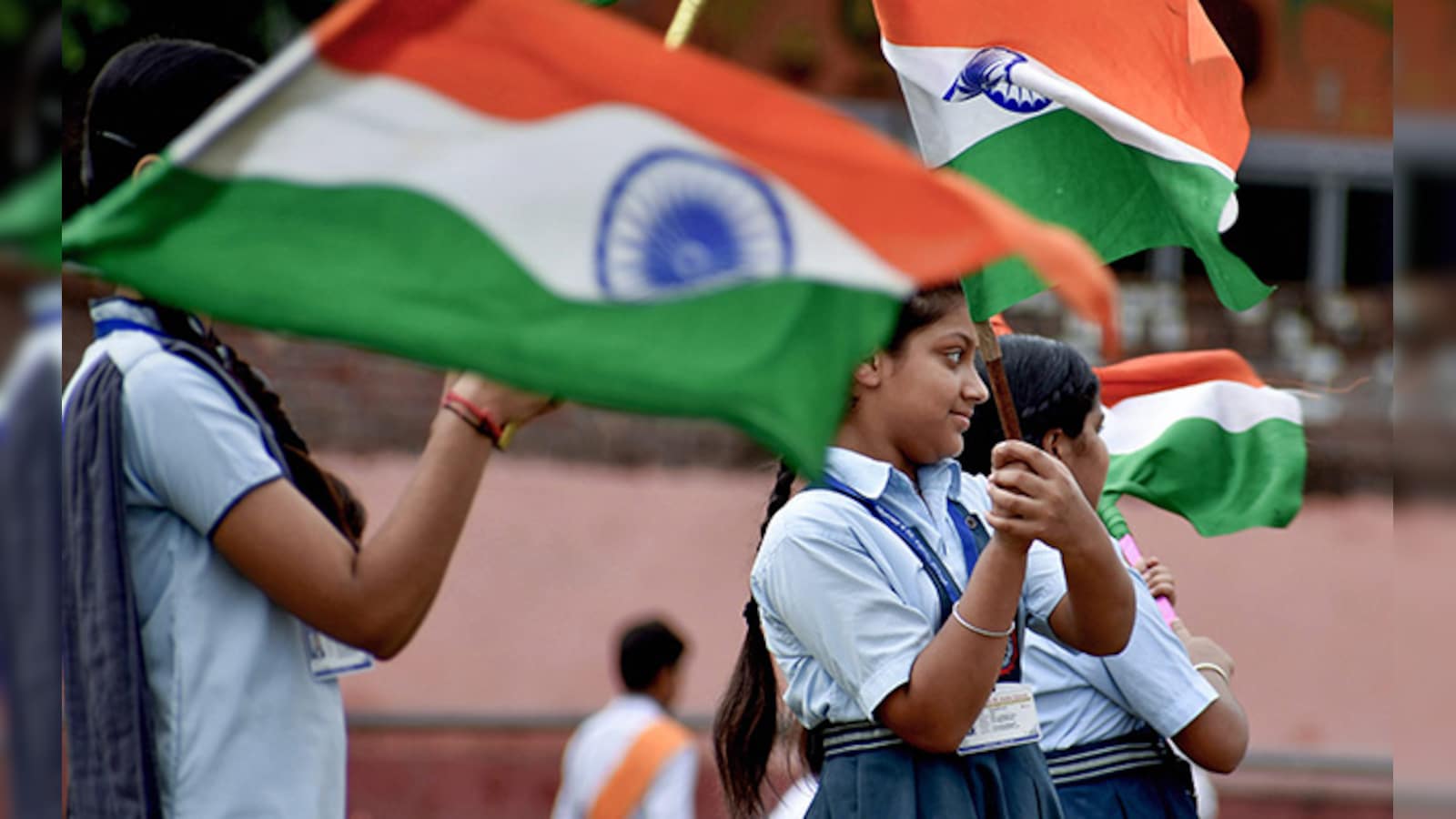
India is a very big country that became independent from British rule in the year 1947.
On August 15 this year, India celebrated its 79th birthday as an independent country.
A long time ago, some people in other countries thought India would fall apart.
They said India was too different because it has many languages, religions, and cultures.
But India did not fall apart, and that is something to celebrate.
India believes people do not have to be the same to live together happily, and this idea is called acceptance.
A famous Indian saying is 'Truth is one, but the wise call it by many names.'
India is compared to a food called a thali, where different dishes stay separate but come together on one plate.
More than half of the people in India today are younger than thirty years old.
The writer, Shashi Tharoor, says everyone should protect freedom and fairness so India's big family can keep growing stronger.

India celebrated its 79th Independence Day on August 15, with MP and author Shashi Tharoor reflecting on the nation's endurance despite early predictions of collapse.
At the historic midnight hour of August 14-15, 1947, Jawaharlal Nehru hailed a 'tryst with destiny' as India became independent.
Western skeptics, including Winston Churchill, who called India 'no more a single country than the Equator,' forecast the fledgling republic's collapse within a decade and a half.
Tharoor argues India's unity comes from acceptance and celebrating difference, comparing the nation to a varied 'thali' rather than a 'melting pot.'
More than half of India's population is under thirty, and Tharoor notes that Gen-Z will be the largest single voting cohort in the next general elections.
- Who
- Shashi Tharoor, Member of Parliament from Thiruvananthapuram, Kerala, celebrated author and former diplomat, who wrote the piece; Jawaharlal Nehru, Winston Churchill, and Swami Vivekananda are referenced.
- What
- India's 79th Independence Day reflection on how the republic defied early predictions of collapse through pluralism, acceptance of diversity, and democratic institutions.
- Where
- India; the article also references Swami Vivekananda's 1893 speech in Chicago.
- When
- August 15, the country's seventy-ninth Independence Day; the piece also recalls independence at the midnight hour of August 14-15, 1947.
- Why
- To reaffirm commitment to the Constitution's principles of liberty, pluralism, and democratic institutions, and to argue that India's unity is rooted in celebrating difference.
Skeptics who predicted India's collapse
Tharoor's vision of a pluralistic, enduring India
India's viability as a nation
Skeptics who predicted India's collapse
India was dismissed as 'no more a single country than the Equator' (Churchill) - a chaotic mix of languages, ethnicities, castes, and creeds lacking the unifying identity of the classic European nation-state - and its collapse was forecast within a decade and a half.
Tharoor's vision of a pluralistic, enduring India
India's unity was never meant to come from uniformity; it is rooted in the celebration of difference, and the 'Indian experiment' - a billion and a half people forging a shared democratic future - endures.
What holds a diverse society together
Skeptics who predicted India's collapse
A singular unifying identity, as in the classic European nation-state, is required for national cohesion.
Tharoor's vision of a pluralistic, enduring India
Citizens do not need to agree all the time, only on the ground rules of how to disagree; India's 'traditional genius' lies in acceptance rather than mere tolerance.
Key facts
- Independence Day
- 79th (August 15)
- Year of independence
- 1947 (midnight, August 14-15)
- Author
- Shashi Tharoor, MP from Thiruvananthapuram, Kerala, since 2009
- Author profile
- Celebrated author and former diplomat
- Youth population
- More than half of India's population is under 30
- Voting cohort
- Gen-Z expected to be the largest single voting cohort in the next general elections
- Cited motto
- 'Ekam Sat Vipra Bahudha Vedanti' - 'Truth is one, but the wise call it by many names'
- Institutions to safeguard
- Independent judiciary, free press, parliamentary traditions, civil society
Sources
Related news

One Nation, Many Identities: How Diversity Strengthens India
India At 80: The Nation That Stopped Waiting

Modi Vows Developed India by 2047 in Independence Day Speech
Bhagwat Says Bharat Must Demonstrate Unity In Diversity
Saffron-Clad Men Paint Anandabazar Patrika Office Pillars

Amit Shah Congratulates ABVP on Panjab University Victory
Celina Jaitly Calls Film Return a Reclamation of Life

Meghalaya’s Beauty Faces Questions After Violent Shillong Rally

Nepal Flash Floods Spark Reflection on Human Helplessness
