11 months ago
Flagship 2: Largest Universe Simulation to Date Released
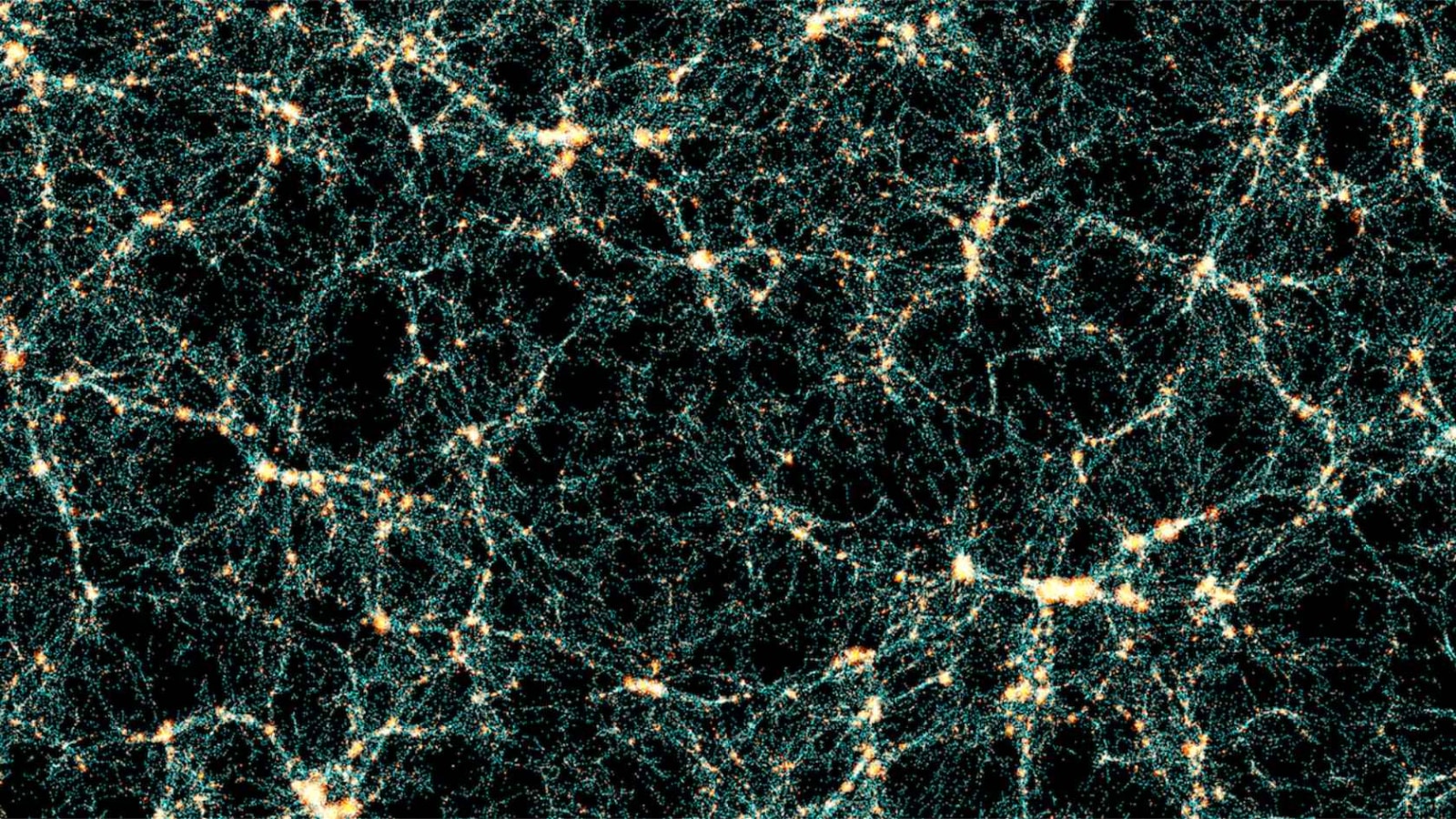
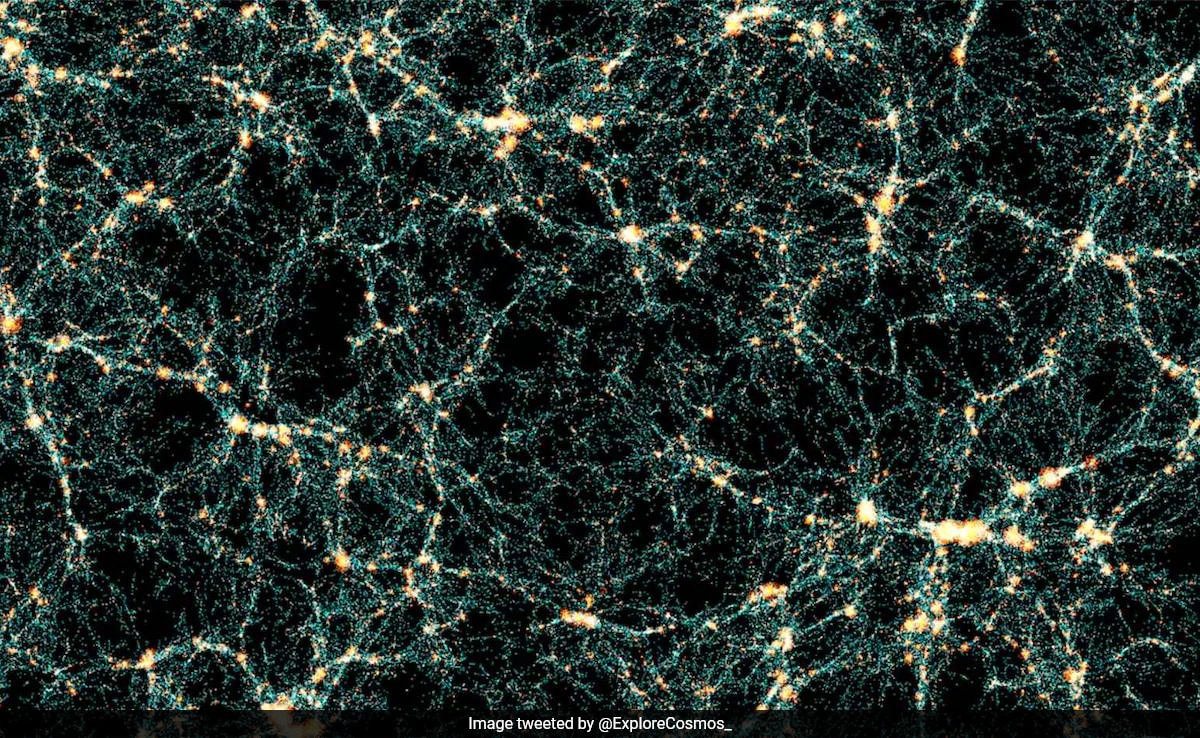
Imagine a detailed digital map of the universe, showing billions of galaxies and how they interact.
Scientists created this map, called Flagship 2, using a supercomputer.
It's like a test run for the data coming from the Euclid space telescope.
The telescope studies dark matter and dark energy.
Scientists hope the real data will match the simulation, but they're also ready for surprises.
They want to see if they understand how the universe expands and if the universe’s expansion rate has changed over time.

Flagship 2 is the largest and most detailed simulation of the universe.
It maps 3.4 billion galaxies and tracks 4+ trillion particles.
The simulation was created using an algorithm by University of Zurich astrophysicist Joachim Stadel.
Flagship 2 was run on the Piz Daint supercomputer.
The simulation is used to prepare for data analysis from the Euclid space telescope.
- Who
- The Euclid Consortium
- What
- Released Flagship 2, the largest universe simulation
- Where
- Run on the Piz Daint supercomputer; Euclid orbits 1.5 million km from Earth
- When
- Simulation done in 2019; Euclid launched in July 2023
- Why
- To prepare for data analysis from the Euclid Space Telescope, and to understand dark matter, dark energy, and the universe's expansion.
Current Understanding
Potential Discoveries
Standard Cosmological Model
Current Understanding
Flagship 2 is based on the current understanding of the universe.
Potential Discoveries
Missions like Euclid may uncover flaws in the standard model.
Key facts
- Simulation Name
- Flagship 2
- Galaxies Mapped
- 3.4 billion
- Particles Tracked
- 4+ trillion
- Supercomputer Used
- Piz Daint
- Telescope Aiding Analysis
- Euclid Space Telescope
- Euclid Launch Date
- July 2023
- Euclid Data Release 1 (DR1)
- October 21, 2026
Quotes
Julian Adamek
Astrophysicist of UZH and a collaborator on the project
“Some events are extremely uncommon, but because Euclid covers such a vast region, the chances of finding unexpected or rare objects are high.”
 NDTV
NDTV
“We can see how the universe expanded at that time and measure whether this constant really remained constant.”
NDTV