2 hrs ago
India’s Falling Diabetes Drug Costs Could Expand Modern Treatment Access
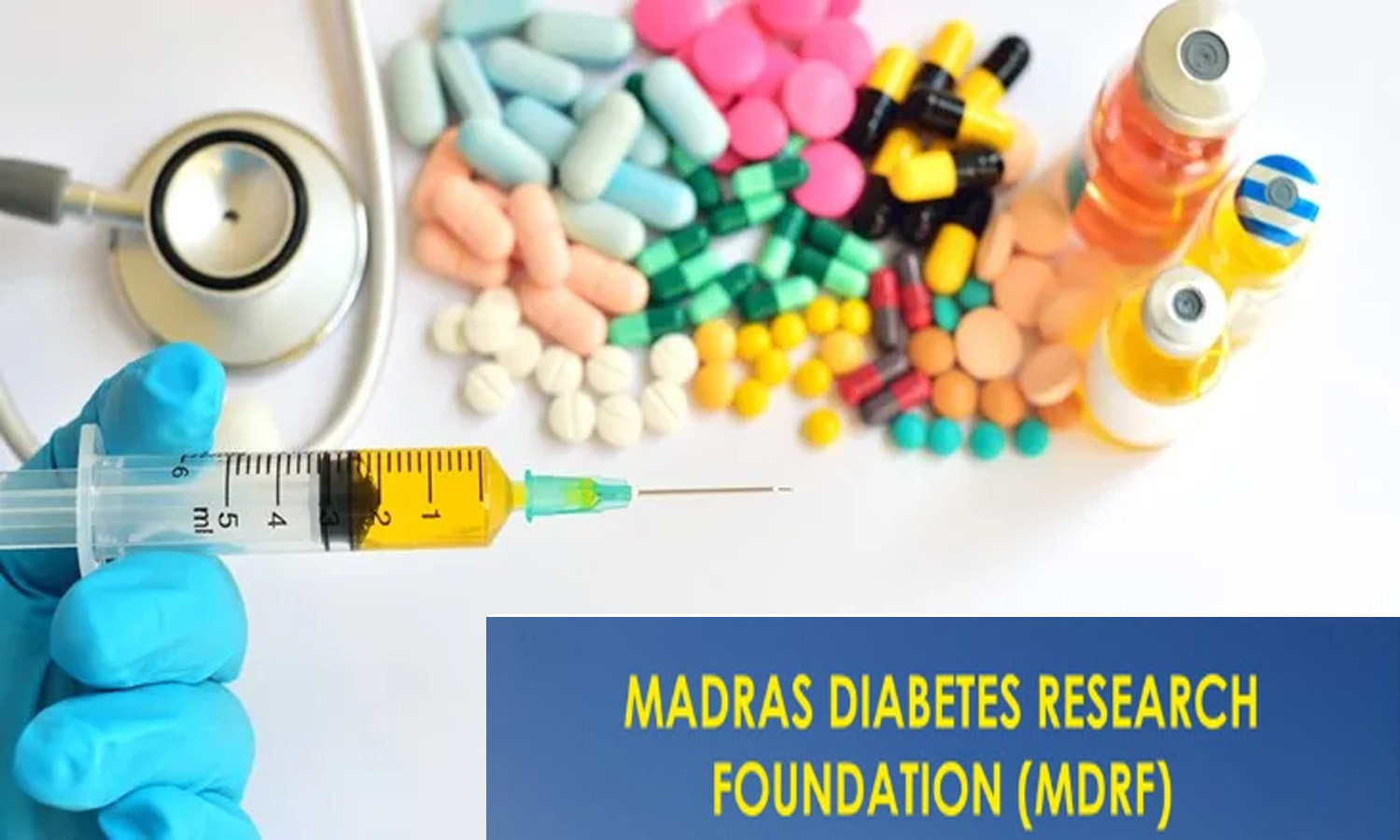
A study looked at the cost of newer diabetes medicines in India.
It found that many of these medicines have become much cheaper.
Some prices fell by about 60% to 90% after patents expired.
Some Indian generic medicines cost far less than their listed prices in the United States.
Cheaper medicines may help people continue treatment for a long time.
The researchers say government policies and competition between drug companies helped lower prices.
They also say medicines must reach people in rural and underserved areas.
Multiple manufacturers make quality control important.
The study says modern diabetes treatment can become more accessible when affordability, availability and quality are addressed together.

A Madras Diabetes Research Foundation study says falling drug prices may make modern diabetes treatment more affordable in India.
Prices for several SGLT2 inhibitors and GLP-1 receptor agonists fell about 60% to 90% after patent expiry.
Some Indian generic medicines cost 15 to 65 times less than United States list prices, while insulin biosimilars are also cheaper.
Researchers credit government policies, price regulation, domestic manufacturing and pharmaceutical competition for lower prices.
The study warns that affordability alone is insufficient without rural availability and consistent medicine quality.
- Who
- Researchers from the Madras Diabetes Research Foundation, including Dr V. Mohan, studied diabetes medicine prices in India.
- What
- The study found that falling prices for newer diabetes medicines and insulin biosimilars could make modern treatment more affordable.
- Where
- India, with comparisons to United States list prices.
- When
- The findings were reported in a study published in Diabetes Care; the articles do not provide a publication date.
- Why
- Prices fell because of government policies, price regulation, domestic manufacturing and competition, but the researchers said access also depends on availability and quality.
Affordability Gains
Access and Quality Concerns
Effect of lower prices
Affordability Gains
Falling prices could make modern diabetes medicines more accessible and help patients remain on long-term treatment.
Access and Quality Concerns
Lower prices alone do not guarantee treatment access if medicines are unavailable in rural or underserved areas.
Role of generic competition
Affordability Gains
Multiple Indian generic manufacturers and domestic production have helped reduce medicine prices.
Access and Quality Concerns
A large number of manufacturers makes quality control and consistency important.
Government support
Affordability Gains
Policies, price regulation, Ayushman Bharat and the Jan Aushadhi Scheme have contributed to improved medicine access.
Access and Quality Concerns
The study indicates that these measures must be accompanied by reliable distribution so medicines reach the patients who need them.
Key facts
- Study institution
- Madras Diabetes Research Foundation
- Journal
- Diabetes Care, the journal of the American Diabetes Association
- Price reductions
- Several SGLT2 inhibitors and GLP-1 receptor agonists fell by about 60% to 90% after patent expiry.
- Generic medicine comparison
- Some Indian generic medicines were 15 to 65 times cheaper than United States list prices.
- Global diabetes estimate
- About 589 million adults aged 20 to 79 were estimated to be living with diabetes globally.
- Lower-income countries
- At least 81% of adults with diabetes were estimated to live in low- and middle-income countries.
- Access concerns
- Researchers highlighted rural availability and quality control as continuing challenges.
Quotes

Dr V. Mohan
Chairman of the Madras Diabetes Research Foundation and a study author
“Modern diabetes medicines, which were once considered unaffordable for large sections of society, can become much more accessible through the right combination of government policy, pharmaceutical manufacturing and competition.”
 deccanchronicle.com
Sources
Related news

Mounjaro Becomes India’s Top-Selling Drug Amid GLP-1 Shift
Supreme Court Questions India’s Drug Pricing and Calls for Reform
West Bengal Has More Than 1,000 Jan Aushadhi Centres
Firstpost Story Sparks India-Netherlands Effort for Affordable Tiratricol

Amit Shah Celebrates Raksha Bandhan With Diabetic Girls

Sun Pharma Trades Lower Drug Prices for US Tariff Relief

Zeelab Targets ₹200 Cr Through Owned Stores And Omnichannel Growth

Bengal Considers Direct Online Fertiliser Transfers Amid Black-Marketing Crackdown