4 hrs ago
Bengal Considers Direct Online Fertiliser Transfers Amid Black-Marketing Crackdown

Farmers in Bengal need fertiliser to grow crops during the kharif season.
Urea is supposed to cost ₹266 for a 45-kilogram bag.
Some farmers say they are being charged much more than that.
The agriculture minister has raided many shops to investigate the problem.
The government says some sellers may be creating shortages and charging extra money.
Some retailers say wholesalers charge them high prices first.
The government is considering an online system that would send fertiliser directly to farmers.
Officials and researchers pointed to similar supply models in other parts of India.

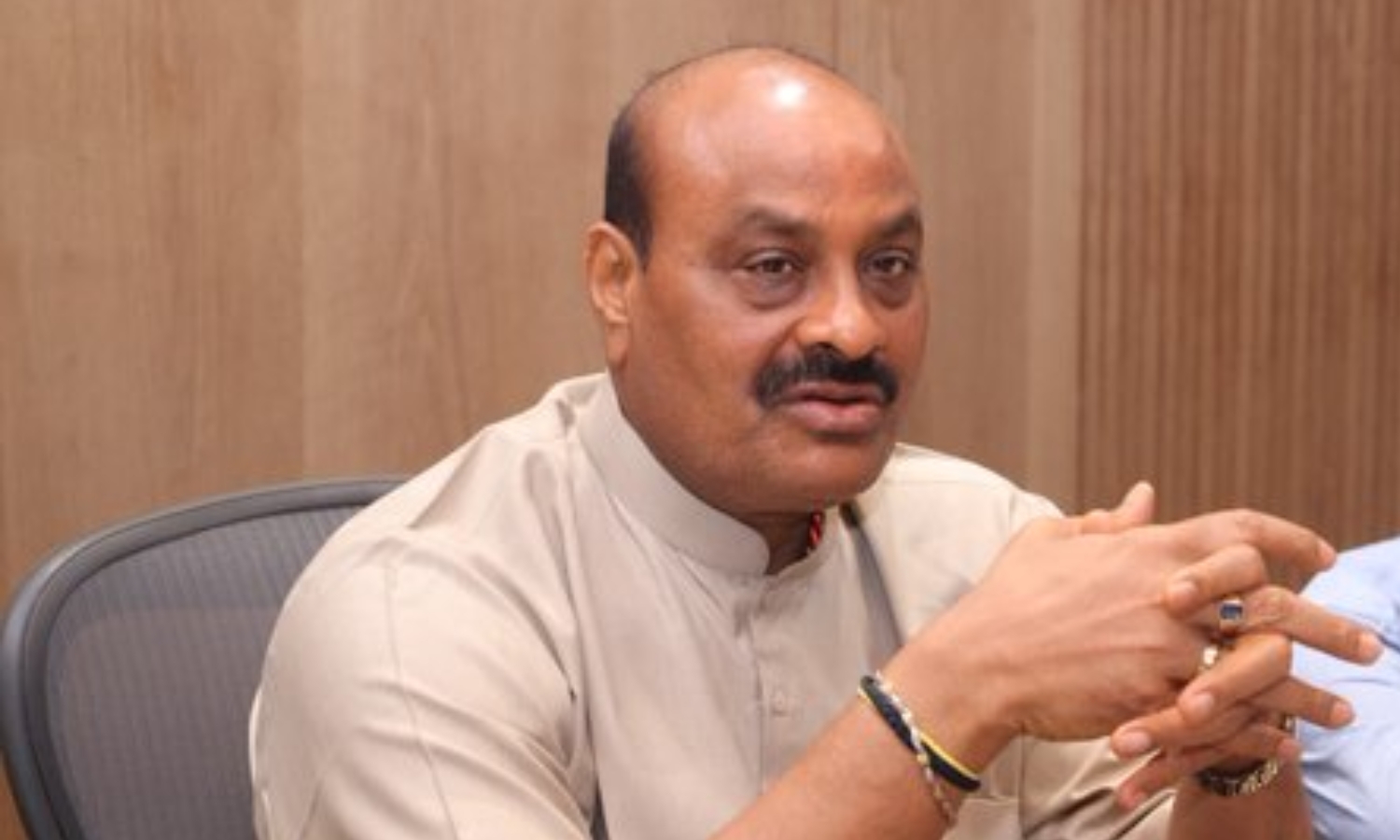
Agriculture Minister Dudh Kumar Mondal said Bengal is considering an online, end-to-end fertiliser distribution system.
Mondal and department officials have raided shops in at least 50 places during the past month.
A 45-kilogram bag of urea has an MRP of ₹266, but farmers reportedly pay ₹350-600 in some districts.
Sources alleged that company representatives, wholesalers, retailers and some agriculture officials are involved in fertiliser black-marketing.
The proposed system could deliver subsidised fertilisers directly to farmers while existing dealers and retailers compete with it.
- Who
- Bengal Agriculture Minister Dudh Kumar Mondal, agriculture department officials, farmers, fertiliser dealers and other participants in the supply chain.
- What
- The Bengal government is considering replacing or supplementing the dealer-based fertiliser system with an online, end-to-end distribution model.
- Where
- Across Bengal, including at least 50 locations and shops in Bankura.
- When
- The proposal comes during the kharif season, after raids conducted over the past month.
- Why
- To curb the black-marketing of subsidised fertilisers and help farmers obtain them at official prices.
Government and reform proponents
Dealers and monitoring-focused critics
Cause of overpricing
Government and reform proponents
The agriculture minister and other sources attribute the problem to a long-standing dealer-linked system and an alleged nexus involving company representatives, wholesalers, retailers and some agriculture staff.
Dealers and monitoring-focused critics
Some retailers said wholesalers supplied fertilisers to them at higher prices, forcing them to charge farmers more; a retired agriculture official said stronger vigilance could prevent the practice.
How to fix the problem
Government and reform proponents
The government is considering an online, parallel system under its vigilance to deliver fertilisers directly to farmers and reduce reliance on existing dealers.
Dealers and monitoring-focused critics
The article reports no direct rejection of the online proposal, but existing supply-chain participants and officials point to monitoring, enforcement and wholesale pricing as factors that also need attention.
Key facts
- Urea MRP
- ₹266 for a 45-kilogram bag.
- Urea subsidy
- The Centre provides more than ₹3,000 in subsidy per bag.
- Reported farmer prices
- Farmers in various districts reportedly pay ₹350-600 per bag of urea.
- Recent raids
- The agriculture minister has raided shops in at least 50 places during the past month.
- Other affected fertilisers
- DAP and 10:26:26 were also reported to be sold above their MRP.
- Proposed distribution model
- An online, end-to-end system could deliver fertilisers directly to farmers.
- Comparable models cited
- Haryana Agro Industries Corporation Limited, GUJCOMASOL and Pradhan Mantri Jan Aushadhi were cited as examples of organised or digitally tracked distribution.
Quotes
Dudh Kumar Mondal
West Bengal agriculture minister
“We have warned and issued notices to fertiliser wholesalers and retailers, but I agree that the problem persists in many places. So, we are thinking of replacing the current dealer-based model and introducing an online, end-to-end system to deliver fertilisers directly to farmers.”
 telegraphindia.com
“I was in Bankura on Monday, and two shops which were allegedly selling fertilisers at higher prices were open. After news about my raid spread, both shops shut and later claimed that they were closed down. It is now easily understood how the racket is working”
telegraphindia.com
Sources
Related news

No fertiliser shortage for Kharif 2026, Centre informs Parliament
Gehlot Criticises Rajasthan Fertiliser Booking System Amid Farmer Complaints

Meghalaya Intensifies Fertiliser Checks Amid Shift Toward Organic Farming

Centre deploys digital tool to prevent fertiliser shortages

Andhra Pradesh assures transparent fertiliser distribution via APAIMS app