

4 hrs ago
New NCERT Class 9 Textbook Links Temples, Taxes and Power
A new Class 9 NCERT book explains that temples were more than places of worship.
Between 1000 and 1700 CE, many temples also managed land and money.
They gave people jobs and sometimes lent money to farmers, villages and traders.
Some temples collected local taxes or helped settle disputes.
Kings supported temples to show that their rule was legitimate.
The book also explains that some temples were attacked and later rebuilt.
For the first time at this level, students will learn how personal income tax is calculated.
They will also study budgeting, saving, investing and borrowing safely.

The new NCERT Class 9 textbook presents temples as religious, economic and political institutions between 1000 and 1700 CE.
It says temples managed land grants, employed specialised workers, extended credit and sometimes collected taxes or exercised quasi-judicial authority.
The chapter describes rulers using temple patronage and associations with deities to strengthen political legitimacy.
The textbook discusses temple destruction, plunder, reconstruction and restoration, citing sites including Jagat Shiromani Temple and Jagdish Temple.
Class 9 students will learn personal income-tax calculations under the new regime, along with budgeting, saving, investing and responsible borrowing.
- Who
- The National Council of Educational Research and Training (NCERT), its Class 9 students and historical rulers and temple institutions discussed in the textbook.
- What
- NCERT has released a Class 9 Social Science textbook covering the historical roles of temples and introducing personal income-tax basics.
- Where
- The material concerns India and appears in the textbook Understanding Society: India and Beyond — Part 2.
- When
- The textbook was released on Tuesday; its historical chapter covers 1000 to 1700 CE.
- Why
- The book aims to teach students about historical society and government-linked financial responsibilities, including honest and timely tax payment.
Key facts
- Textbook
- Understanding Society: India and Beyond — Part 2
- Historical period
- 1000-1700 CE
- Temple roles
- Economic hubs, employers, lenders, cultural centres and sources of political legitimacy
- Historical examples
- Jagat Shiromani Temple at Amer and Jagdish Temple in Udaipur
- Tax addition
- Class 9 students will study personal income-tax slabs and calculations under the new regime
- Financial topics
- Budgeting, saving, investing, responsible borrowing and protection against financial risks
- Investment examples
- Fixed deposits, bonds, stocks and mutual funds
Sources
Related news

NCERT Class 9 Book Describes Kings’ Goddess-Given Swords
NCERT Adds Personal Income Tax Lessons to Class 9 Textbook
New NCERT Textbook Links Governance Mottos to Ancient Traditions

NCERT Textbook Details Invasions and Indian Resistance
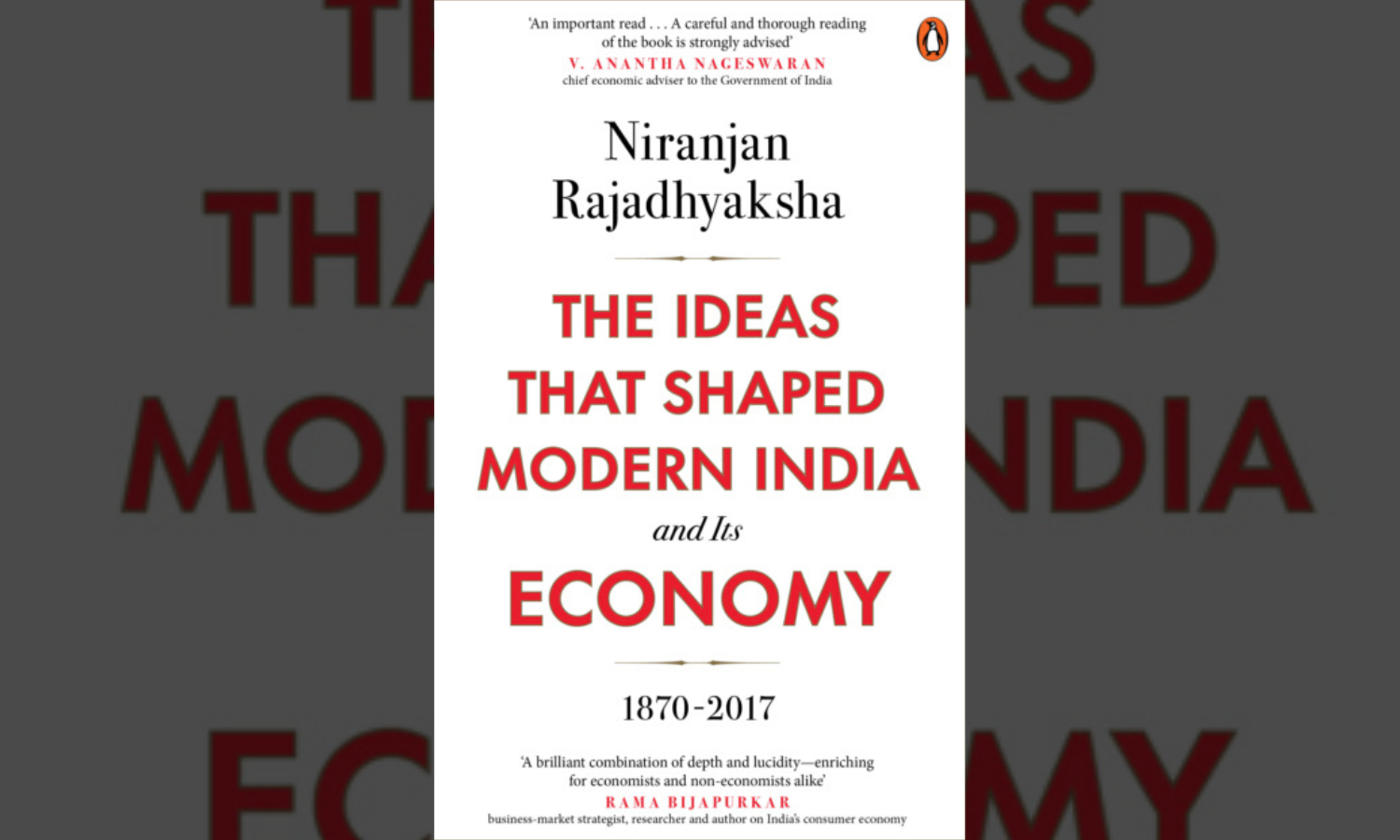
Penguin Random House India Announces Book on India’s Economic Ideas
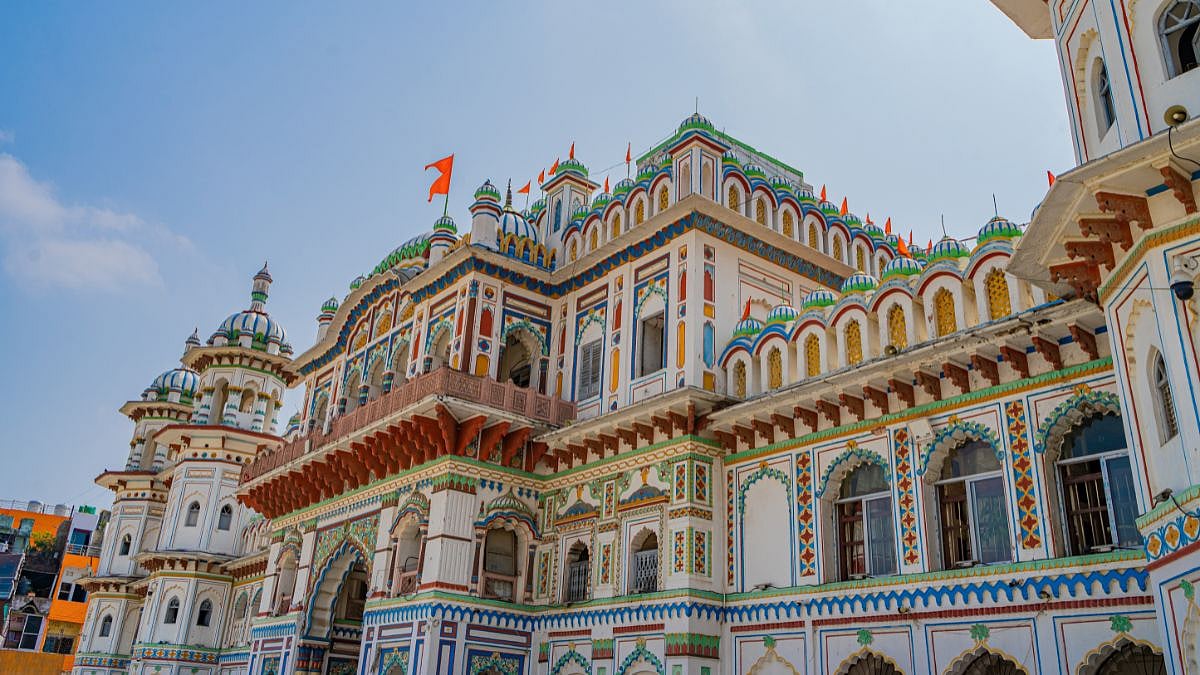
Nepal Government Declares Janaki Temple a Protected Monument Zone
SOA Advisor Lalit Kumar Meher Honoured as Master Teacher

Woman Engineer Allegedly Assaulted at Gunpoint in Bhubaneswar Apartment

NIA Chargesheets Two Accused in Bhubaneswar Bomb Blast
Two arrested with 2.85 quintals cannabis worth Rs 1.5 crore
