2 days ago
Understanding Credit Scores, Reports, Checks, and Responsible Credit Management
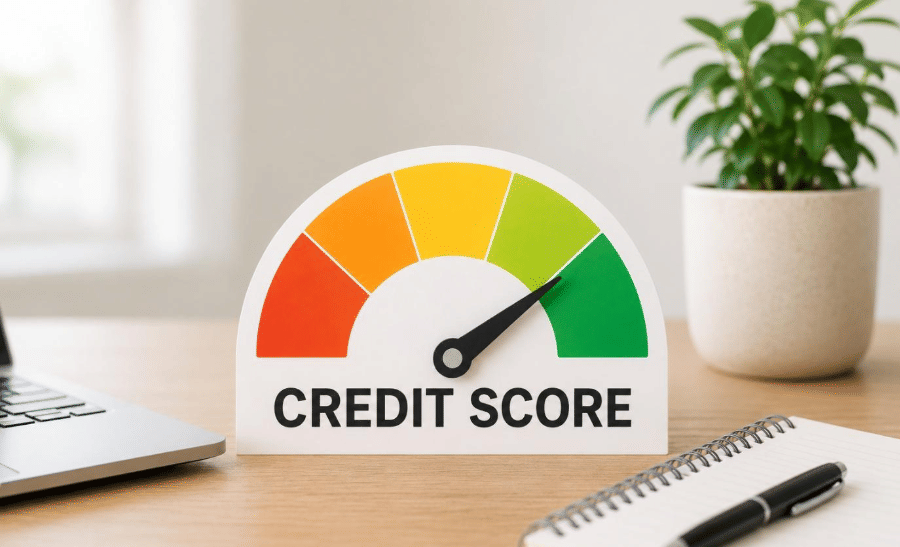
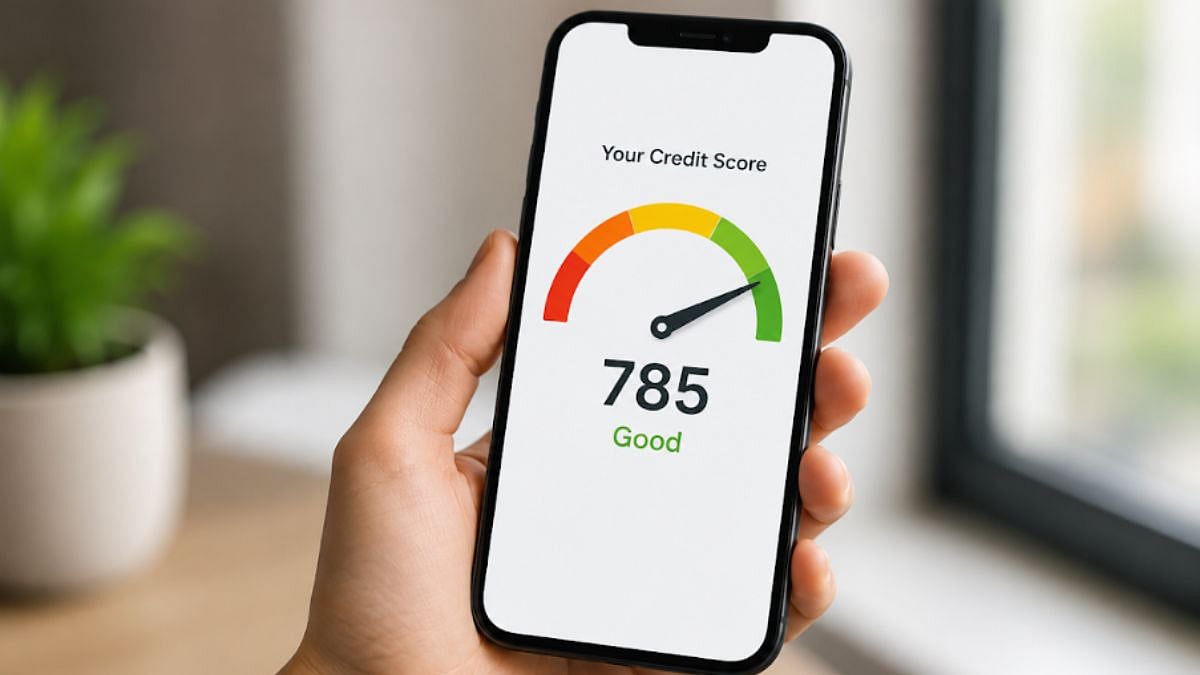
A credit score is a three-digit number that gives a quick picture of how someone has used credit.
A credit report shows the details behind that number.
It includes accounts, payments, amounts owed, and recent credit enquiries.
Paying loans and card bills on time can support a healthy credit profile.
Using a large share of a credit-card limit or applying for many loans quickly may affect the profile.
Looking at your own report is different from a lender checking it during a loan application.
Checking your report can help you find mistakes or accounts you do not recognise.
Before applying for a major loan, it can be useful to review the report and correct problems.
A good score helps, but lenders also consider income, existing debts, repayment capacity, and their own policies.

A credit score is a three-digit summary of credit history, while a credit report provides detailed account and repayment information.
Repayment history, credit utilisation, credit-history length, and recent lender enquiries can affect a score.
Checking your own credit information is different from a lender enquiry and should not automatically lower your score.
Reviewing a report can help identify unfamiliar accounts, incorrect payment statuses, inaccurate balances, or unrecognised enquiries.
Bajaj Finance offers an online Credit Pulse Report, but a high score alone does not guarantee loan approval.
- Who
- People managing or applying for credit, lenders, credit information companies, and Bajaj Finance.
- What
- The article explains what credit scores and reports show, how to check them, what can affect them, and how to review errors.
- Where
- Credit information can be checked online through authorised credit information companies and financial platforms, including Bajaj Finance’s website.
- When
- Reviews are recommended before major borrowing, after repaying a loan, when unexpected changes appear, or periodically.
- Why
- Checking the report can help people understand their credit position, identify inaccuracies or unfamiliar activity, and prepare before applying for credit.
Key facts
- Credit score
- A three-digit number summarising information in a person’s credit history.
- Credit report
- A detailed record that can include credit accounts, repayment information, outstanding amounts, and recent credit enquiries.
- Common influences
- Repayment history, credit utilisation, length and depth of credit history, and multiple recent lender enquiries.
- Personal checks
- Checking your own credit information is different from a lender-initiated enquiry and should not automatically reduce the score.
- Bajaj Finance service
- Bajaj Finance provides an online Credit Pulse Report facility that includes access to an available credit score and report.
- Report errors
- Possible issues include overdue payments marked incorrectly, loans remaining active after repayment, inaccurate balances, unfamiliar accounts, or unrecognised enquiries.
- Loan approval
- A high credit score does not guarantee approval because lenders may also assess income, obligations, repayment capacity, loan amount, employment or business profile, and internal policies.
Sources
Related news

Why Checking Your Credit Score Matters Before Applying
How Indian Credit Bureaus Build And Update Your Profile

Credit Report Errors Can Hurt Scores; Experts Explain Fixes

Five Consistent Habits Can Build a Stronger Credit Score

Credit Report Mistakes Can Increase Loan Costs, Expert Explains

Seven Online IPMAT Coaching Options Compared for India 2027

Jyoti Yadav’s Investigation Exposes Bihar’s Intertwined Sand and Liquor Mafias

Minister Agnimitra Paul Urges Balanced Urban-Rural Development and Empowerment

Rural Reporting Awards Honor Dipti Raut and Reji Joseph