1 hr ago
Experts Say Rights Violations And Hopelessness Fuel Adolescent Self-Harm
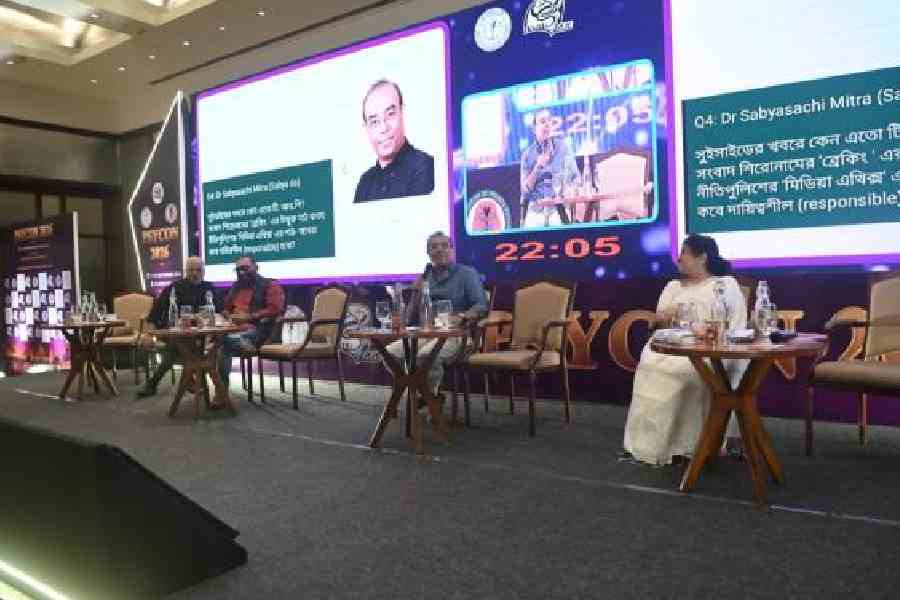
Experts discussed why some teenagers may feel so hopeless that they think about hurting themselves.
Jai Ranjan Ram said young people can feel trapped when adults control important choices in their lives.
These choices may include what they study or whom they marry.
He also said young people can lose faith in society when they are taught they have rights but cannot safely use them.
Unfairness, corruption and uncertainty can make this feeling worse.
Sabyasachi Mitra said young people are also worried about the difficult world older generations are leaving behind.
He said schools often praise success but do not teach enough about failure or resilience.
The meeting encouraged families and communities to notice warning signs and help people reach mental-health professionals early.

Psychiatrist Jai Ranjan Ram said adolescents may turn to self-harm when their rights and voices are suppressed.
Ram said excessive parental and societal control over education, relationships and other choices can create intense frustration.
He linked restricted protest, corruption and perceived unfairness to declining trust in institutions and hopelessness.
Psychiatrist Sabyasachi Mitra described youth mental-health distress as an existential response to an increasingly unlivable world.
A suicide-awareness program at PSYCON 2026 focused on warning signs, stigma reduction, community support and timely professional care.
- Who
- Psychiatrists Jai Ranjan Ram and Sabyasachi Mitra, along with other panelists, discussed adolescent self-harm and suicide prevention.
- What
- A panel examined how suppressed rights, excessive control, social unfairness, uncertainty and an unlivable environment may contribute to hopelessness and self-harm among young people.
- Where
- The articles identify the organizing branches as West Bengal state branches but do not specify the event venue.
- When
- During a suicide-awareness continuing medical education program held as part of PSYCON 2026, which ran from Friday to Sunday.
- Why
- The program aimed to improve public awareness, identify warning signs earlier, reduce stigma, strengthen support and encourage timely professional mental-health care.
Key facts
- Main concern
- Adolescent hopelessness, self-harm and suicide risk
- Rights and control
- Panelists said suppressed voices and adult control over life choices can intensify frustration.
- Institutional trust
- Restricted protest, corruption and perceived unfairness were linked to a lack of faith in the system.
- Education pressure
- Mitra said the education system emphasizes competition and success while giving limited attention to resilience and failure.
- Exam uncertainty
- Ram cited the cancellation of the NEET-UG examination amid alleged irregularities as a source of anxiety for some students.
- Program focus
- Warning signs, stigma reduction, family and community support, and early access to professional care.
- Organizers
- Indian Psychiatric Society-West Bengal State Branch, Indian Association of Private Psychiatry-West Bengal State Branch and the PSYCON 2026 organizing committee
Quotes
Sabyasachi Mitra
Psychiatrist and panel speaker discussing Gen Z’s mental-health challenges
“It is a systemic response to an unlivable world that we are leaving behind for them and hence a huge rise in mental health problems, suicide, self-harm. We are undermining the situation if we say it’s a mental health problem because it is an existential problem”
 telegraphindia.com
“The key cause of adolescents or young people considering suicide or self-harm is because their rights are not recognised, which stifles their voice and leads them into hopelessness where they have to abide by whatever the societal and parental norms are”
telegraphindia.com
Sources
Related news
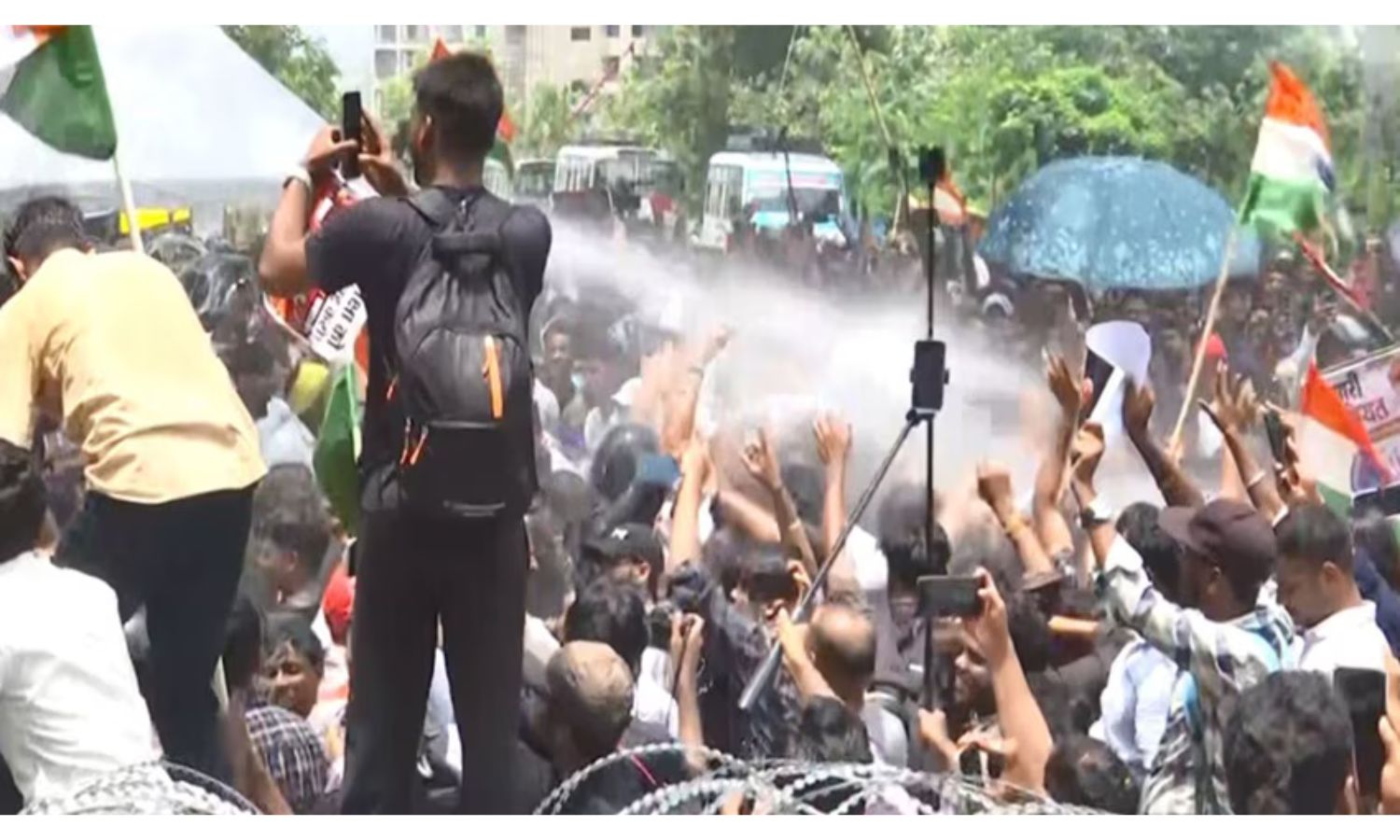
Youth Protests Force Exam Cancellations and Political Concessions

Student Activist Links Campus Deaths to India’s Wider Repression

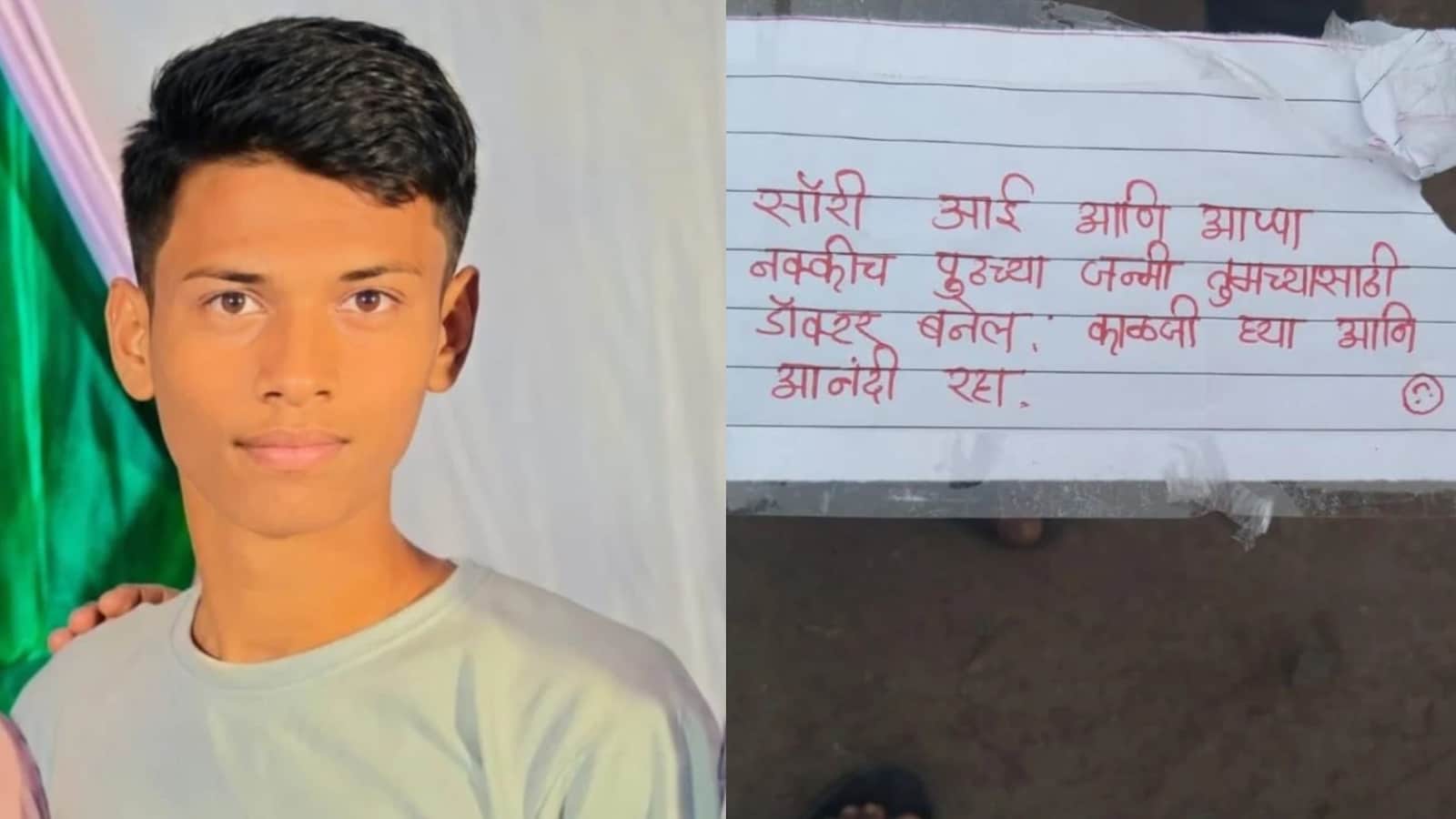
MPSC Aspirant’s Suicide Sparks Anger Over Systemic Pressures
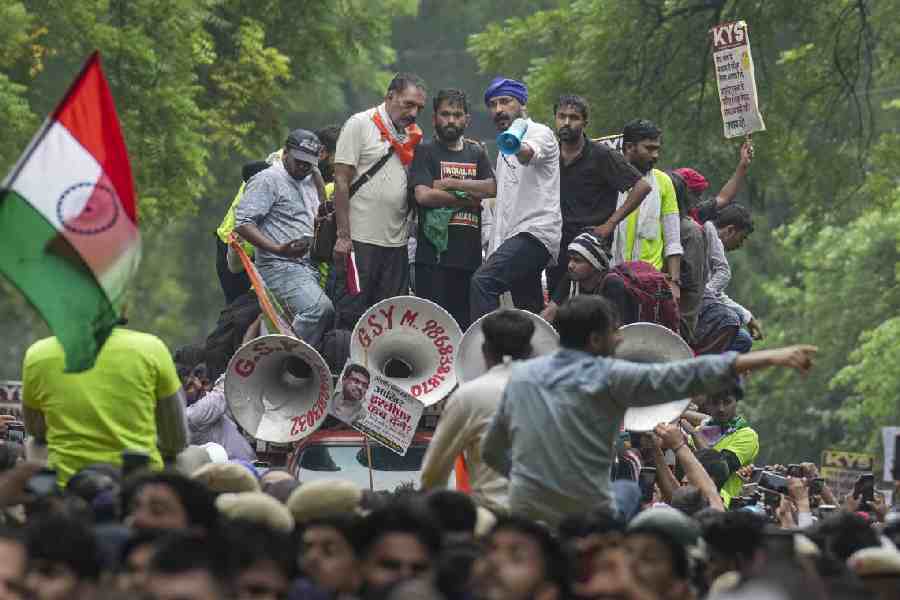
RSS Says Jantar Mantar Protests Expose Deeper Systemic Failures

Rahul Gandhi Seeks Views on India’s Failing Education System