1 week ago
RSS Says Jantar Mantar Protests Expose Deeper Systemic Failures
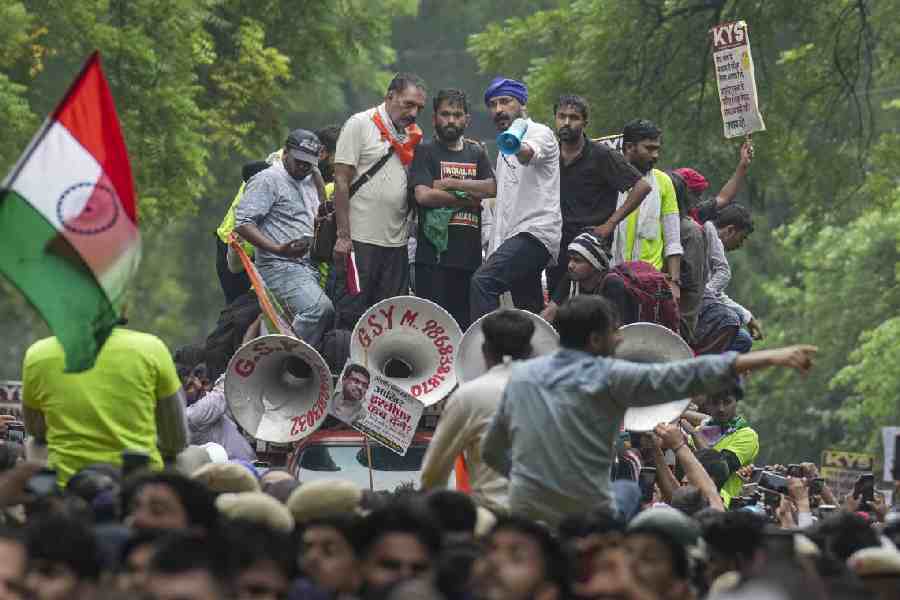
The RSS said the protests showed that important systems were not working properly.
It said the problem was bigger than corruption or one exam.
Young people are worried about education, jobs and their futures.
RSS leader C.R. Mukunda said governments and society should listen to these worries.
He said problems should be fixed through cooperation, discussion and constructive action.
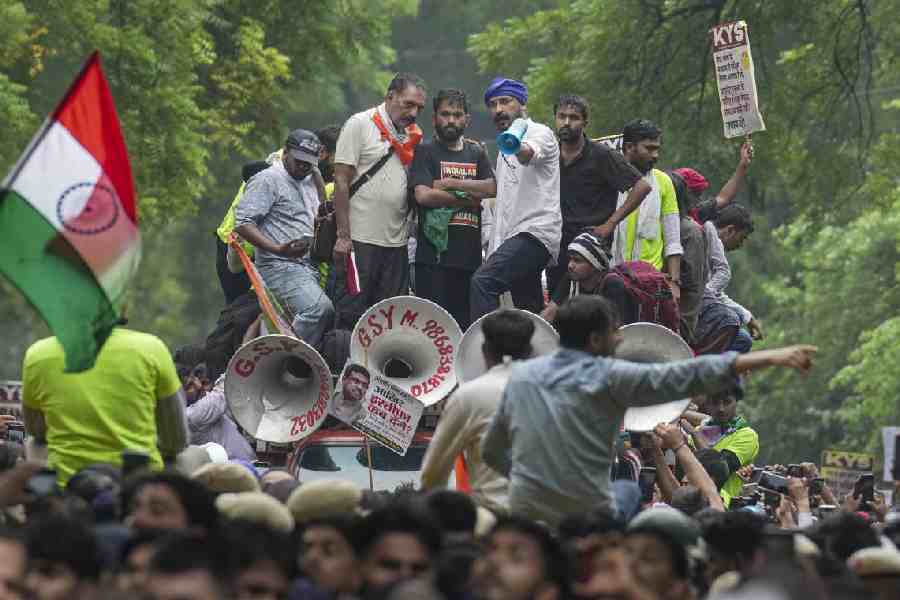
The Cockroach Janta Party protested over alleged exam irregularities and a NEET paper leak.
It demanded that Education Minister Dharmendra Pradhan resign and that the government accept responsibility.
The articles say the protest ended after Pradhan resigned and other demands were accepted.

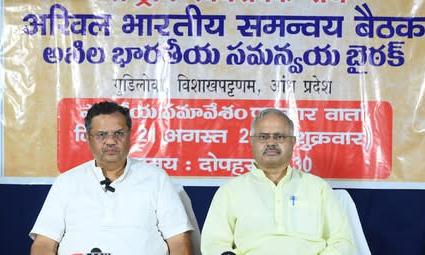
RSS leader C.R. Mukunda said the Jantar Mantar protests reflected broad systemic and administrative failures, not only corruption or NEET irregularities.
Mukunda said concerns over education, employment, youth aspirations and the future required cooperation between governments and society.
He argued that disruption or destruction would not solve the problems and called for constructive action and dialogue.
The Cockroach Janta Party began a June 20 protest over alleged examination irregularities, including a NEET paper leak, and demanded Education Minister Dharmendra Pradhan’s resignation.
The articles report that the CJP ended its 36-day agitation on July 25, 2026, after Pradhan resigned and the government accepted its other demands.
- Who
- The Rashtriya Swayamsevak Sangh, C.R. Mukunda, the Cockroach Janta Party, Dharmendra Pradhan, protesters, governments and young people are central to the reports.
- What
- The RSS described the Jantar Mantar protests as evidence of wider systemic failures, while the CJP protested alleged examination irregularities and paper leaks.
- Where
- The protests took place at Jantar Mantar in New Delhi, while the RSS coordination meeting was held in Visakhapatnam.
- When
- Mukunda spoke on Friday after a three-day RSS coordination meeting; the CJP protest began June 20 and the articles report that it ended after 36 days on July 25, 2026.
- Why
- The CJP cited alleged examination irregularities and paper leaks, while the RSS said broader concerns involving education, employment, youth aspirations and future anxieties also needed attention.
RSS Constructive-Reform View
CJP Accountability View
Nature of the problem
RSS Constructive-Reform View
The RSS said the protests reflected broad failures across systems and could not be reduced to corruption or one issue such as NEET.
CJP Accountability View
The CJP focused on alleged examination irregularities and paper leaks, saying repeated failures had harmed students and their families.
Responsibility for reform
RSS Constructive-Reform View
Mukunda said shortcomings existed across systems and states, so governments and society should work together rather than place responsibility on one government alone.
CJP Accountability View
The CJP demanded government accountability and the Education Minister’s resignation over alleged exam irregularities.
Method of change
RSS Constructive-Reform View
The RSS said disruption or destruction would not produce solutions and urged constructive action, dialogue and engagement with young people.
CJP Accountability View
The CJP used a sustained protest at Jantar Mantar to press its demands; the articles describe the reported acceptance of those demands as a major victory for the movement.
Key facts
- RSS assessment
- The protests reflected systemic, administrative and institutional failures rather than only corruption or a single issue such as NEET.
- RSS spokesperson
- C.R. Mukunda made the remarks after the RSS’s three-day coordination meeting in Visakhapatnam.
- CJP protest
- The Cockroach Janta Party began its Jantar Mantar agitation on June 20 over alleged examination irregularities, including NEET.
- CJP demands
- The party sought Dharmendra Pradhan’s resignation and government accountability over alleged exam irregularities and paper leaks.
- Reported outcome
- The articles say the 36-day agitation ended on July 25, 2026, after Pradhan resigned and other demands were accepted.
- RSS meeting
- The meeting brought together 326 representatives, including 49 women leaders, from 32 RSS-inspired organisations.
- Other topics discussed
- Delegates discussed youth drug use, Assam flood relief, environmental protection, demographic changes and artificial intelligence.
Quotes
C.R. Mukunda
RSS All India Joint General Secretary
“When talking about the youth community and their concerns...one of the issues is that youth are concerned about systemic failures, whether it is regarding NEET or other matters. We must address the concerns of the youth community and the anxieties they hold regarding their future.”
 telegraphindia.com
 rediff.com
“Youths are concerned about failures in the system, and it is not only about the NEET (paper leaks). They are also concerned about their future. Those concerns have to be addressed and we discussed these concerns.”
telegraphindia.com
Sources

Jantar Mantar Protest Reflects 'Failures' In System: RSS Says Govt Must 'Address Gaps'
Systems’ Failure LED to Protests at Jantar Mantar, Says RSS Secretary
‘Beyond corruption’: RSS calls Jantar Mantar protests a reflection of ‘systemic failures’
Jantar Mantar student stir bares system failure, says RSS, but avoids onus on Modi govt

Jantar Mantar protests reflect 'systemic failures': RSS
Related news

RSS Meeting Links Demographic Imbalance, Youth Protests to Systemic Failures
Neha Bora Blames Modi Government for Youth Exam Protests
Prashant Kishor Warns Youth Protests Over Jobs, Education
RSS Chief Says Government Erred in Delaying Youth Protest Talks

RJD MP urges blueprint-based resolution to Ranchi student protest
Ayodhya Temple CEO Appointment Faces Opposition Donation Allegations
Telangana BJP Alleges Congress, BRS Avoid Hyderabad Liberation Day
Haryana sanitation workers’ strike puts BJP government under pressure

Rival NC-BJP Protests Roil J&K as Police Halt Marches
Shivakumar Calls BJP Padayatra Cover-Up for Internal Crisis