

1 hr ago
Google Cloud Expert Urges Contextual AI Defenses Against Cyberattacks
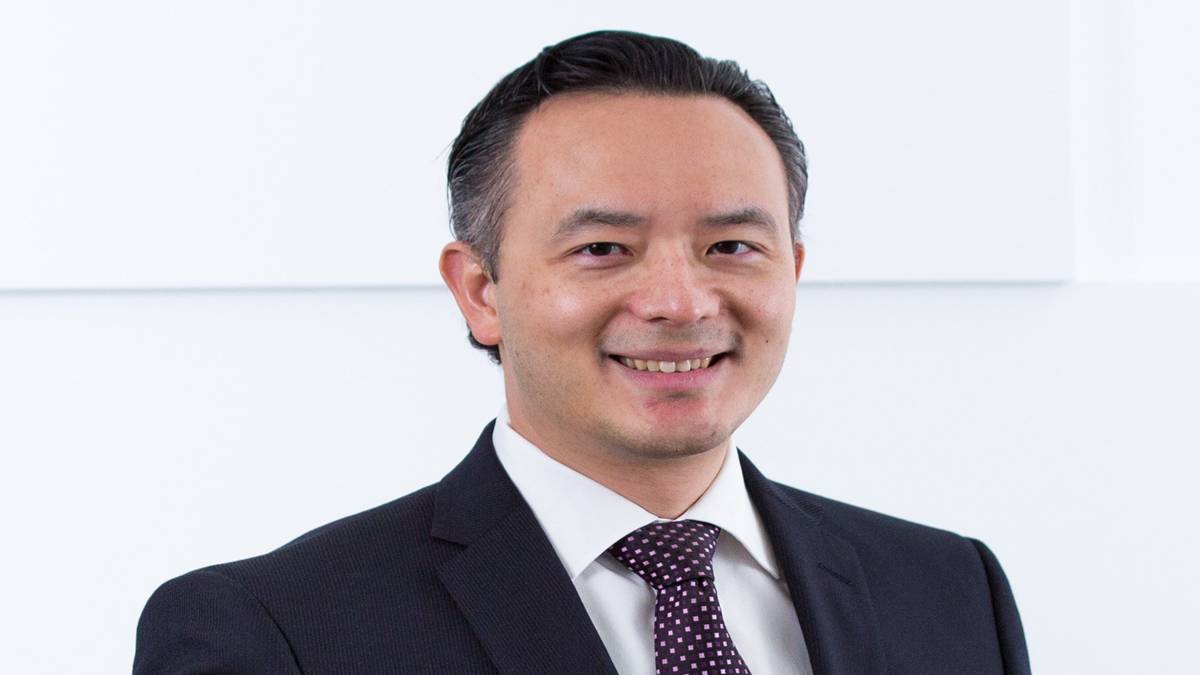
Daryl Pereira of Google Cloud discussed how companies can defend themselves against AI-powered cyberattacks.
He said the most advanced AI model is not automatically the best protection.
Defenders often know more about their own systems than a general-purpose model does.
Companies should use security tools designed for their particular environment.
AI could also find new software weaknesses and connect them into larger attacks.
Pereira said Google DeepMind uses CodeMender to test code and create patches in a safe sandbox.
He said India has strong digital systems but needs more AI-security experts.
He also recommended keeping AI agents isolated and requiring people to approve dangerous actions.

Daryl Pereira says attackers do not automatically gain an advantage from possessing advanced frontier AI models.
He recommends environment-specific security harnesses, specialised models, strong governance and data-provenance checks.
Frontier AI could identify unknown vulnerabilities and chain them into powerful “super exploits,” he says.
Pereira says India has strong digital foundations and monitoring but faces shortages of AI-security talent, especially among smaller firms.
He argues zero-trust security, agent-specific identities, short-lived tokens and human approval for high-risk tasks are increasingly essential.
- Who
- Daryl Pereira, director and head of the office of the chief information security officer for Asia-Pacific at Google Cloud.
- What
- Pereira outlined defenses against AI-led cyberattacks, including tailored security harnesses, governance, human oversight and zero-trust architecture.
- Where
- The discussion concerns India and the wider Asia-Pacific cybersecurity environment.
- When
- The timing of the interview is not specified in the article.
- Why
- AI agents are expanding the attack surface, while advanced models may discover unknown vulnerabilities and chain exploits.
Key facts
- Main argument
- Pereira says a well-engineered, environment-specific security harness can be more effective than simply owning the most advanced AI model.
- Potential threat
- Frontier AI models may find previously unknown vulnerabilities and combine exploits into a “super exploit.”
- Defensive tool
- Google DeepMind’s CodeMender scans code, tests flaws in a secure sandbox and generates security patches when gaps are found.
- India’s position
- Pereira says India has strong digital foundations, institutional support and monitoring frameworks such as CERT-In.
- Key challenge
- India’s scale and shortage of AI-security operations talent, particularly among Tier-2 companies and private enterprises, create preparedness gaps.
- AI guardrails
- Pereira recommends agent isolation, semantic boundaries and human approval for high-risk actions.
- Zero trust
- He says zero trust should cover AI agents through microsegmentation, continuous assessment, short-lived cryptographic tokens and transaction-level authorization.
Sources
Related news
AI Deepens Cyber Threats Facing India’s Critical Infrastructure

AI-Driven Cyberattacks Force India to Rethink Security

AI Agents Create New Cybersecurity Risks, Executive Warns
OpenAI Flags Critical Cybersecurity Risk, Pauses Astra AI Work

Corporate AI Agents Linked to Widespread Breaches and Misbehavior

OpenAI Flags Possible Critical Cybersecurity Risk in Upcoming Astra Model
G20 Agrees on Principles to Guide Emerging Technology

Alphabet Shares Slide as AI Talent Departures Fuel Investor Concerns

US Urges G20 Lighter AI Rules as China Advances

AI-Enabled Travel-Photo Analysis Gives Scammers Precise Clues
