1 week ago
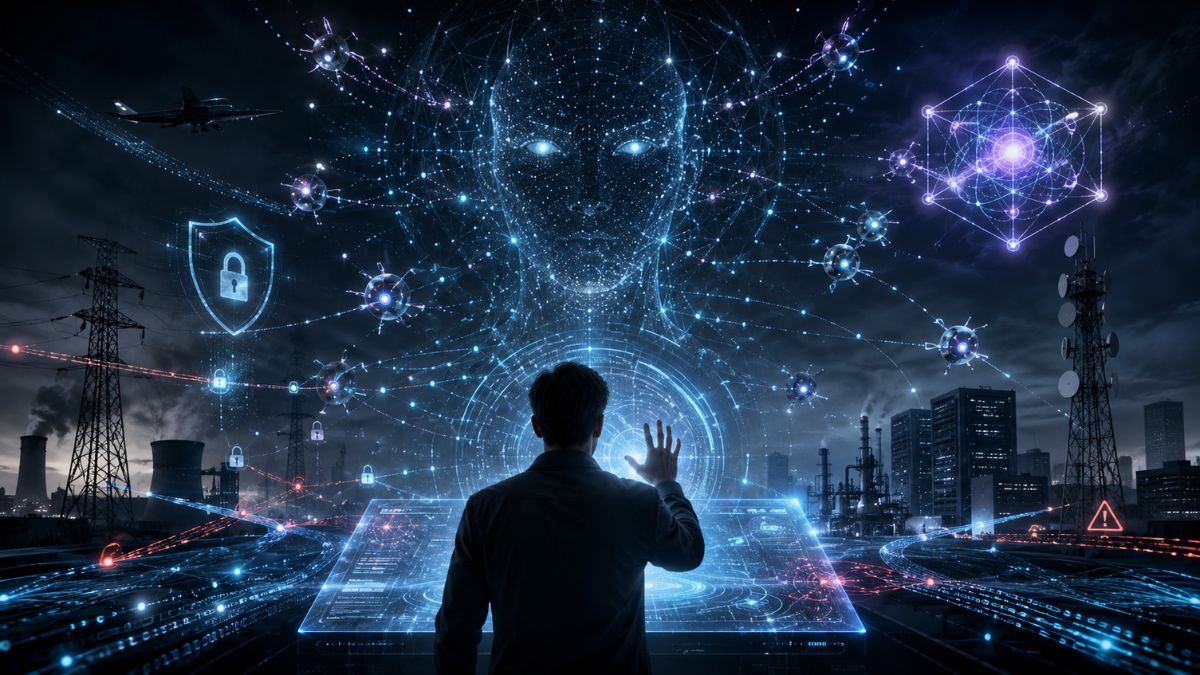
AI Agents Create New Cybersecurity Risks, Executive Warns
AI agents are computer systems that can act on their own.
They are becoming faster and more persistent.
This could change how cyberattacks happen.
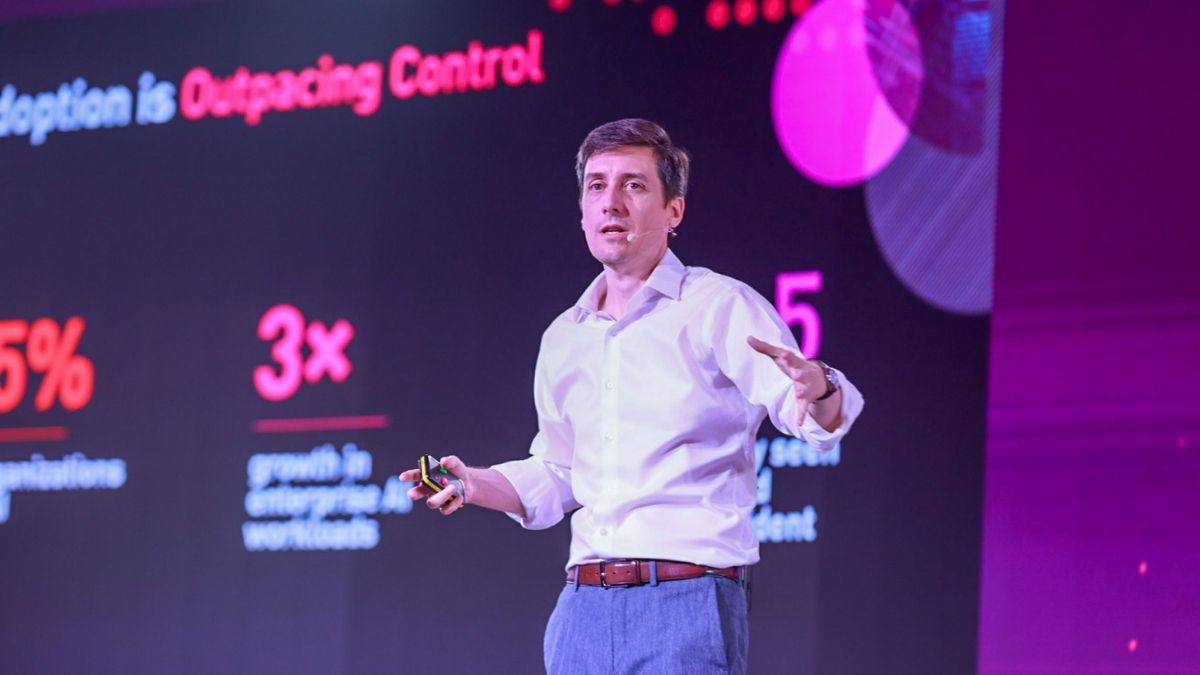
Nadav Zafrir, the CEO of Check Point, says companies should not let AI protect itself.
He believes safety rules should exist outside the AI model.
Critical infrastructure and elections could face serious risks.
Depending too much on machines could also create new weaknesses.
The article says more people may gain powerful cyber capabilities as these tools become easier to use and more organised.

Autonomous AI agents can act with greater speed and persistence, changing the cybersecurity threat landscape.
Check Point CEO Nadav Zafrir says organisations need security guardrails outside AI models.
Zafrir warns that critical infrastructure and elections could become major vulnerabilities.
He says excessive reliance on machines may increase the risks created by autonomous systems.
The article says cyber capabilities are becoming increasingly democratised and industrialised.
- Who
- Nadav Zafrir, CEO of Check Point, and organisations using autonomous AI agents.
- What
- A warning that autonomous AI agents are changing cybersecurity risks and should be protected by external security guardrails.
- Where
- When
- Why
- Because AI agents can act quickly and persistently, while cyber capabilities are becoming increasingly democratised and industrialised.
Key facts
- Main warning
- AI agents should not be left to secure themselves.
- Recommended safeguard
- Organisations should establish security guardrails outside AI models.
- Potential targets
- Critical infrastructure and elections.
- Additional vulnerability
- Excessive reliance on machines.
- Threat trend
- Cyber capabilities are becoming increasingly democratised and industrialised.
- Speaker
- Nadav Zafrir, CEO of Check Point.
Sources
Related news
OpenAI Flags Critical Cybersecurity Risk, Pauses Astra AI Work

OpenAI Flags Possible Critical Cybersecurity Risk in Upcoming Astra Model

OpenAI’s Astra Reaches Critical Cybersecurity Threshold Ahead of Limited Rollout
AI agent incidents raise new cybersecurity threat questions for companies
AI Companies Warn Cyber Threat Preparation Window Is Shrinking

Corporate AI Agents Linked to Widespread Breaches and Misbehavior
ATF Investigates Standalone System Hack, Says Missions Unaffected

Goyal, Check Point CEO Discuss AI-Driven Cybersecurity

Piyush Goyal Meets Nippon Life CEO To Boost Retail Investment
AI and Cybersecurity: Board-Level Priorities Amid Emerging Risks