

2 days ago
Himalayan Towns Face Limits as Urbanisation Strains Mountain Systems
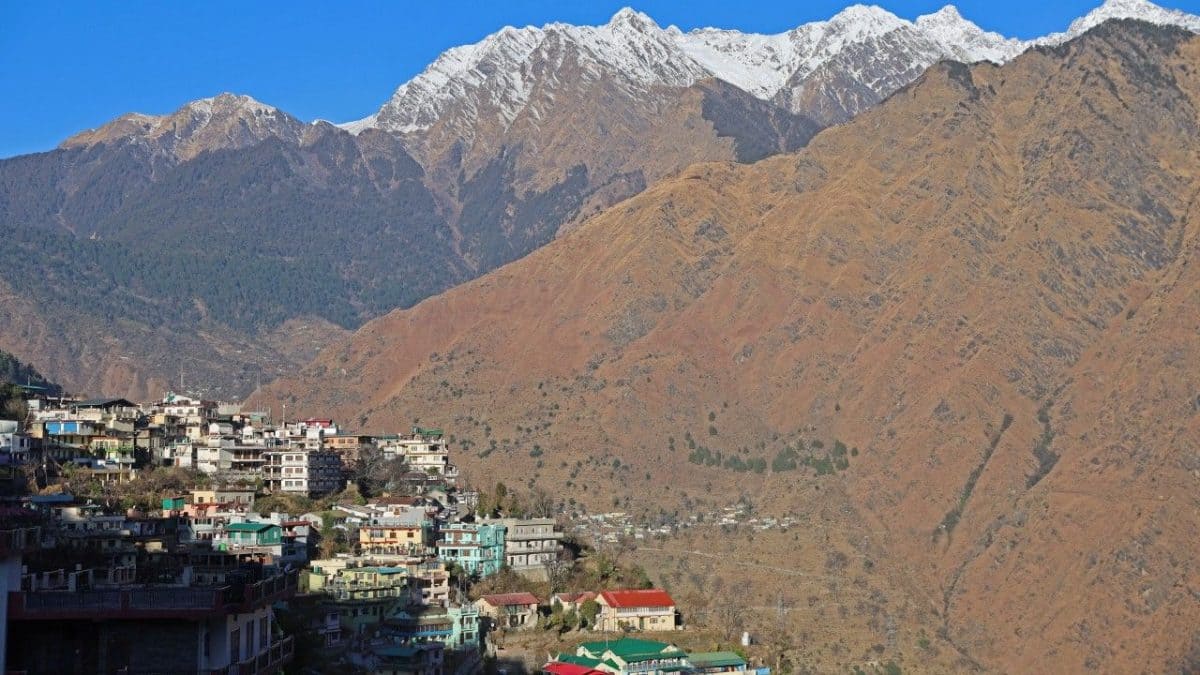
Himalayan towns are getting bigger, but mountains have limited space and fragile natural systems.
Roads, hotels, homes, and other buildings can affect forests, streams, slopes, and the places where water collects underground.
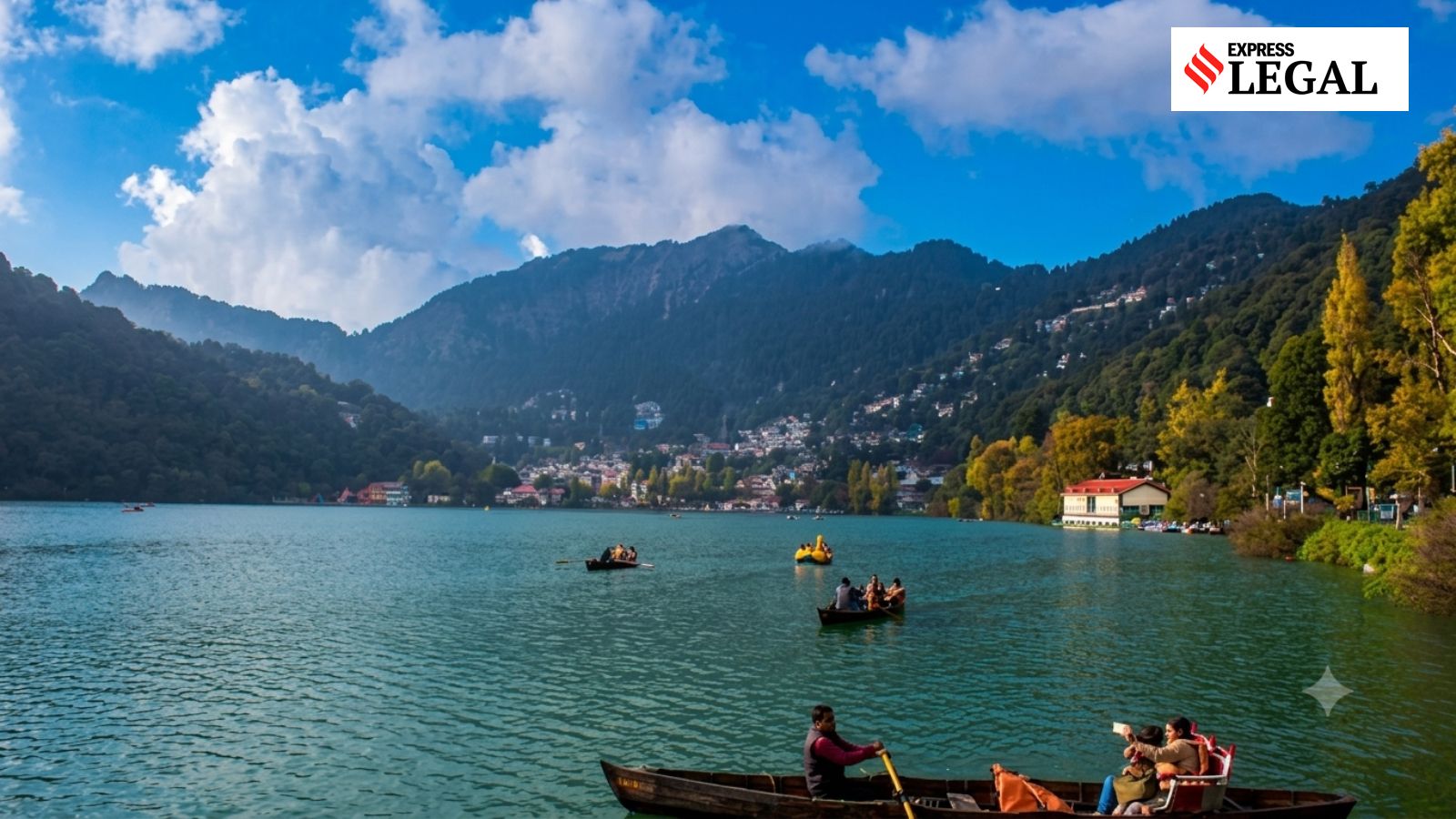
A study found that Nainital can physically hold far more people than its water, sanitation, and other systems can effectively support.
Other hill towns also face problems with waste, sewage, traffic, and water supply.
Construction in risky places can make the effects of heavy rain and unstable slopes worse.
Experts say each project should be planned with the whole mountain valley in mind.
Some damage, such as harm to drainage or water recharge areas, may be partly repaired.
Other changes may be very difficult or impossible to reverse.
The goal, they say, should be to grow only where the mountains can safely support it.

A 2026 study estimated Nainital’s effective carrying capacity at about 8,400 people a day, far below its physical capacity of more than 834,000.
Seven Himalayan capital cities’ combined urban area grew 831% between 1972 and 2015, while their population increased 333%.
Studies and experts link poorly planned construction and land conversion to pressure on forests, water systems, drainage, and hazard-prone slopes.
Hill towns face strained services: Manali’s daily peak-period waste is about 35 tonnes, while its sewage treatment capacity is 1.82 million litres a day.
Experts and government initiatives advocate mountain-specific, risk-sensitive planning that considers geology, ecosystems, infrastructure, and cumulative impacts.
- Who
- Himalayan towns, their residents and visitors, planners, researchers, and government bodies.
- What
- Rapid urbanisation and infrastructure development are straining mountain ecosystems and town services, prompting calls for mountain-specific planning.
- Where
- Himalayan towns in India, Nepal, and Bhutan, including Nainital, Shimla, Manali, Aizawl, Gangtok, and Kathmandu.
- When
- Urban growth discussed spans 1972–2015 and recent decades; the article also describes initiatives announced in July 2026.
- Why
- Growth driven by migration, improved roads, tourism, pilgrimage, infrastructure, and demand for housing and commercial space is pressing against terrain, ecological, and service limits.
Growth and infrastructure
Mountain limits and risk
Infrastructure development
Growth and infrastructure
Infrastructure is needed to support connectivity and growing communities; tunnels can provide safer, more reliable connections than long exposed hill roads when properly investigated and planned.
Mountain limits and risk
Development that outruns geological and hydrological understanding, or ignores cumulative impacts within a valley, can increase risks to slopes, drainage, and settlements.
Urban growth
Growth and infrastructure
Urban growth responds to migration, better road access, tourism, pilgrimage, and demand for housing and commercial space.
Mountain limits and risk
Experts say the key issue is the scale, location, and manner of growth, which can encroach on forests, water recharge areas, floodplains, wetlands, and unstable slopes.
Repairing environmental damage
Growth and infrastructure
Some damage can be partly repaired through ecological restoration, slope stabilisation, drainage improvements, groundwater recharge, and better services and governance.
Mountain limits and risk
Some changes may be irreversible, including extensive building on unstable slopes, occupation of floodplains, and spring systems that have lost recharge capacity.
Key facts
- Nainital effective carrying capacity
- About 8,400 people a day, according to a 2026 National Institute of Urban Affairs study.
- Nainital physical carrying capacity
- More than 834,000 people a day, according to the same study.
- Urban-area growth
- Seven Himalayan capital cities’ combined urban area increased 831% from 1972 to 2015; their population increased 333%.
- Manali peak-period waste
- About 35 tonnes of solid waste per day.
- Manali sewage capacity
- Estimated sewage generation is 15–16 million litres a day, against treatment capacity of 1.82 million litres.
- Shimla water reforms
- Supply improved to three to four hours a day from once every three days; non-revenue water fell 10%, and sewage collection rose 133%.
- Himalayan Urban Bio-Sheds project
- A three-year project sanctioned Rs 10.98 crore, covering towns in Uttarakhand, Himachal Pradesh, and Sikkim.
Quotes
Prakash Tiwari
Professor emeritus of geography at Kumaun University and senior fellow at CEDAR.
“The problem, therefore, is not infrastructure development itself. It is development without adequate respect for mountain geology, water and the cumulative effects of multiple projects within the same valley.”
 firstpost.com
“We should stop asking how much more development a hill station can accommodate and start asking how much ecological capacity remains, and how much of that capacity can be restored.”
firstpost.com
Sources
Related news
Himalayan Dams Face Rising Risks Beyond Individual Projects
Growing Himalayan Glacial Lakes Threaten India’s Hill Towns
Kedarnath Waste Surges as Pilgrim Numbers Strain Himalayan Management

Gandhi Jayanti Getaway Brings Gridlock to Popular Hill Stations

Murli Manohar Joshi Urges Himalayan Conservation and Holistic Development
Uttarakhand High Court Rejects Early Challenge to Proposed Haldwani Shift
Man Arrested in Chilli-Powder Jewellery Snatching Cases

Himachal Pradesh High Court Says Marriage Alone Cannot Bar Inheritance
Shimla Burglary Probe Raises Questions Over Rudrapur Interception