3 hrs ago
Europe Rearms as Russia and America Reshape Its Security
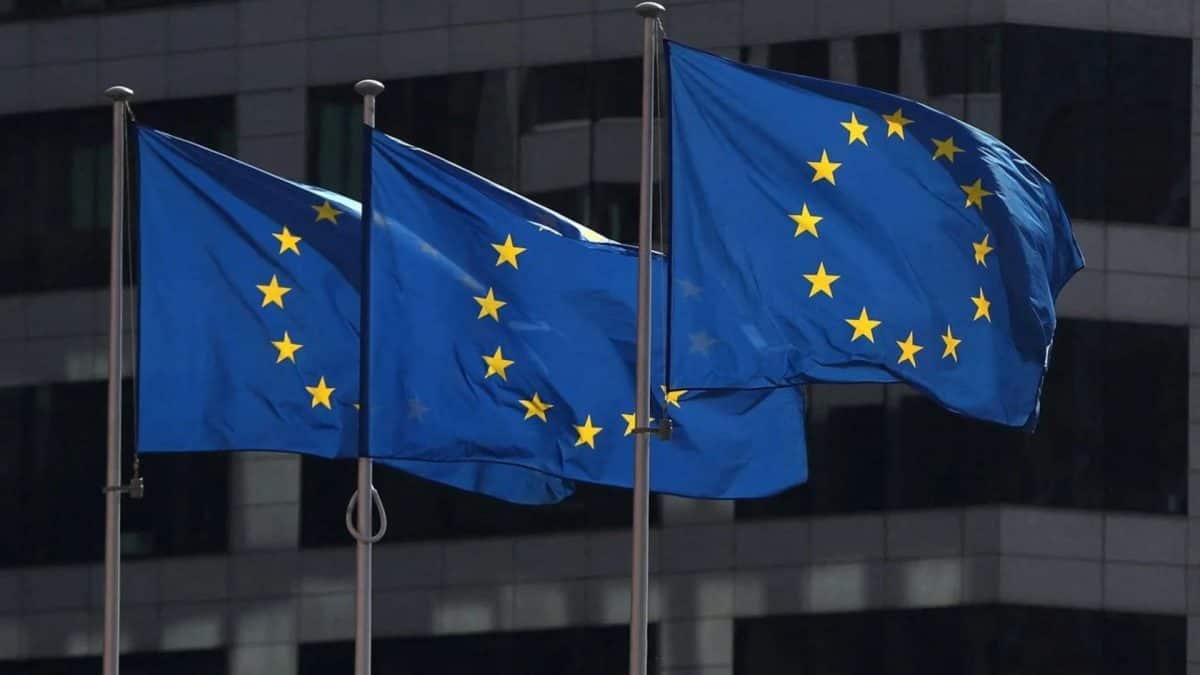
Europe is spending much more money on its military than it did during the long period after the Cold War.
European governments are worried about Russia and are less certain that the United States will always protect them.
The European Union plans to help countries spend up to €800 billion on defense and security.
However, countries do not always agree on how to share weapons or buy equipment together.
Some governments want to keep weapons such as Patriot missiles for their own protection, while Ukraine is asking for them immediately.
Europe also wants to make more weapons itself, but building factories takes time and many new orders still go to American companies.
More military spending could mean less money for pensions, health care, infrastructure, and climate projects.
Europe also lacks enough soldiers and skilled workers to use all the equipment it wants to buy.
The article says rearmament may be necessary, but it will be expensive and difficult.

European military spending rose sharply in 2025 as governments responded to Russia and uncertainty about American support.
The European Union’s Readiness 2030 plan aims to mobilize up to €800 billion for defense and security.
European countries disagree over whether to send existing Patriot missiles to Ukraine or preserve them for national defense.
Europe faces tensions between building its own defense industry, buying equipment quickly, and relying on American suppliers.
Rearmament is increasing pressure on public finances, industrial capacity, military recruitment, welfare spending, and the green transition.
- Who
- European Union governments, Ukraine, Russia, the United States, and European defense industries are central to the developments described.
- What
- Europe is undertaking a major military buildup while debating weapons supplies, defense financing, industrial autonomy, and the costs of rearmament.
- Where
- The developments concern Europe, the European Union, Ukraine, and the wider transatlantic security system; a key ministers’ meeting took place in County Wicklow, Ireland.
- When
- The article focuses on developments through 2025 and 2026, with defense targets extending to 2030 and 2035.
- Why
- European governments are responding to Russia’s war and alleged hybrid attacks while preparing for potentially reduced or conditional American security support.
Arguments for European rearmament
Concerns about rearmament
Security and deterrence
Arguments for European rearmament
Supporters say increased spending is necessary to deter Russia, respond to hybrid attacks, and prepare for less certain American protection.
Concerns about rearmament
Critics warn that large military commitments could place long-term pressure on public finances and compete with welfare and climate priorities.
European defense autonomy
Arguments for European rearmament
European production and joint procurement could reduce dependence on American suppliers and strengthen strategic autonomy.
Concerns about rearmament
Building a European arsenal takes years, while immediate security needs require equipment that is often available most quickly from American companies.
Shared European procurement
Arguments for European rearmament
EU-wide purchasing and SAFE’s Made in Europe conditions are intended to improve cooperation and build a stronger common defense industry.
Concerns about rearmament
National procurement decisions, including Germany’s preference for Rheinmetall, may fragment the market and weaken European solidarity.
Key facts
- Global military spending
- Military expenditure reached a record $2.89 trillion in 2025, according to SIPRI.
- European spending increase
- European military spending rose 14% in 2025 to $864 billion.
- EU Readiness 2030 plan
- The plan aims to mobilize up to €800 billion, including €650 billion through looser fiscal rules and €150 billion through SAFE loans.
- NATO spending target
- NATO allies committed in June 2025 to spend 5% of GDP on defense and related security needs by 2035.
- EU defense spending
- EU defense spending reached €418 billion in 2025 and is projected to reach €454 billion in 2026.
- Germany’s defense spending
- Germany increased military spending 24% in 2025 to $114 billion and planned a defense budget of roughly €83 billion for 2026.
- Personnel shortage
- European countries face recruitment and retention problems as they seek the ability to move forces equivalent to 100,000 troops by 2030.
Quotes

Maria Malmer Stenergard
Sweden’s foreign minister commenting on Europe’s security environment.
“the most serious security situation since the Second World War”
 firstpost.com
“unfortunately, no concrete success today”
firstpost.com
Sources
Related news
Global Military Spending Hits Record as Europe Re-Arms, Asia Expands

Poland Pivots to Domestic Defence Production as Army Expands
Sweden Signs French Frigate Order to Strengthen European Defence
Six EU Nations Seek Major Cuts to Future Budget

Netherlands Moves Gold to London Amid Europe-US Strains
Belgian PM Warns Europe Trails US and China

India’s Hilsa Exports to Bangladesh Unlikely to Lift Kolkata Prices
Lavrov Warns Western Troops in Ukraine Would Mean War

Climate-Linked Heat Exposed 117 Million Indians During 2026 Summer

Ancient European Wildfires Burned for Up to 300,000 Years