1 week ago
Why Japan PM Sanae Takaichi Defends Residence-Based Work
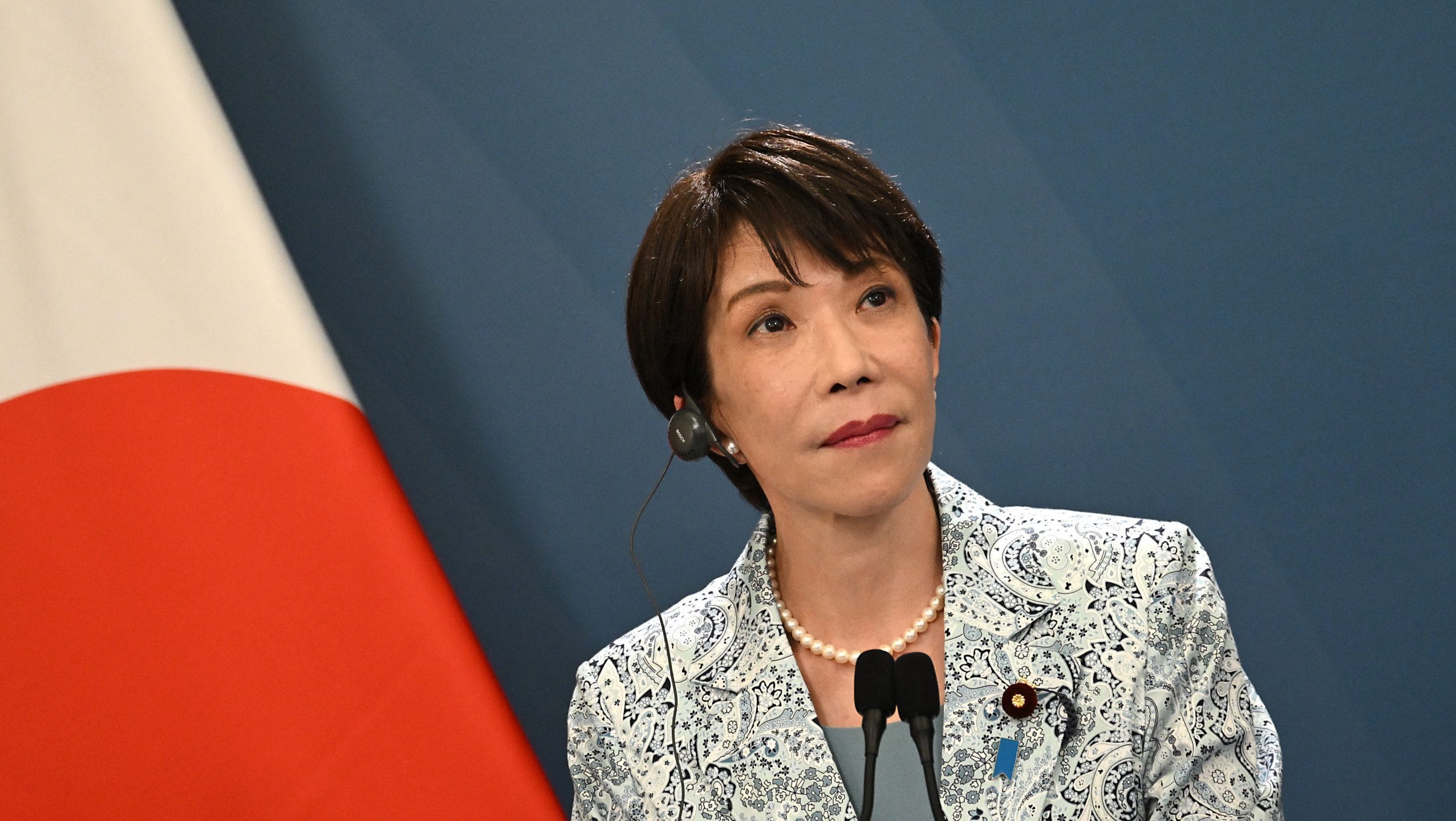
Japan’s Prime Minister Sanae Takaichi spends many hours working at the official residence.
She says the residence is not just a home but also an office.
It has meeting rooms and communication equipment for government work.
Because it is next to the prime minister’s office, she says she can respond quickly to emergencies.
Staying there also means fewer security officers are needed when she is not traveling.
Takaichi says official schedules do not show all the meetings and document work done inside the residence.
Critics worry that she may be becoming isolated from ministers and other officials.
They also say sleeping as little as zero to three hours could make unhealthy overwork seem admirable.
The debate is especially important because Takaichi is Japan’s first female prime minister.

Sanae Takaichi says Japan’s official residence is also a workplace.
She says its location and facilities support crisis response, meetings and remote work.
Takaichi wants to explain why official schedules often show her spending entire days there.
Critics question whether her routine reflects isolation and reduced consultation with officials.
Her reported extreme hours and limited sleep have prompted work-life and gender-equality concerns.
- Who
- Japanese Prime Minister Sanae Takaichi, with critics, political opponents, officials and gender-equality campaigners commenting on her routine.
- What
- Takaichi is defending her extensive work at Japan’s official residence amid scrutiny over isolation, communication, extreme hours and limited sleep.
- Where
- The official prime ministerial residence, known as the Kotei, next to the prime minister’s office in Tokyo’s Nagatacho district.
- When
- The scrutiny concerns the period since Takaichi moved into the residence in December last year, with schedule analyses extending through July and August.
- Why
- Takaichi says the arrangement enables rapid crisis responses, remote meetings, document review and reduced security demands, while also explaining schedule entries showing her there.
Critics and Opponents
Takaichi’s Defense
Residence-based work
Critics and Opponents
The unusually large amount of time spent at the residence may indicate excessive isolation rather than simply an alternative workplace.
Takaichi’s Defense
The residence has meeting rooms and communication facilities, allowing Takaichi to conduct in-person and remote government work there.
Consultation and leadership
Critics and Opponents
Fewer meetings with Finance Ministry officials and a low number of formal Cabinet Office meetings raise concerns about reduced face-to-face consultation and a more individualised leadership style.
Takaichi’s Defense
Takaichi says she reviews government documents herself and can issue instructions efficiently after working with officials remotely or in residence-based meetings.
Long hours and wellbeing
Critics and Opponents
Her reported sleep of zero to three hours and rejection of work-life balance could normalize unhealthy overwork and create additional expectations for women leaders.
Takaichi’s Defense
Takaichi presents her long hours as a commitment to public duties and says remaining at the residence reduces security burdens while keeping her close to government facilities.
Key facts
- Prime minister
- Sanae Takaichi
- Residence
- The official prime ministerial residence, known as the Kotei
- Residence history
- The building was constructed in 1929.
- Location
- Next to the prime minister’s office in Tokyo’s Nagatacho district
- Reported sleep
- Takaichi has said she sometimes sleeps between zero and three hours.
- Schedule findings
- A Nikkei investigation found that Takaichi spent a notably high proportion of weekends and public holidays at the residence compared with recent predecessors.
- Official meetings
- A Bloomberg News analysis found roughly 50% fewer meetings with Finance Ministry officials than her two immediate predecessors during comparable periods.
Quotes

Sanae Takaichi
Prime minister of Japan
“The residence is located next to the official residence, so from the perspective of crisis management, I moved from the familiar members’ dormitory to the prime minister’s residence.”
 theprint.in
“Work conducted at the official residence, such as meetings held there, is not reported as part of the prime minister’s daily schedule, but from my perspective it’s also a workplace.”
theprint.in
Sources
Related news
Japan PM Takaichi Says Cockroach Removal Left Her Lonely

Japanese Prime Minister Feels Sad After Cockroach Removal

False Cockroach Story Highlights Japan’s Need for Global Communication
Japan PM Takaichi Skips Yasukuni Shrine Visit on WWII Anniversary
Secret Trains, Fake Offices: Inside Russia's Plan to Hide Putin

Sara Netanyahu Faces Fresh Abuse Allegations from Former Residence Staff

Bangladesh Recall Shanto, Mahmud for Asian Games T20 Squad

Japan Cricket Boss Defends Asian Games Facilities Against Concerns

Mitsubishi Revives Pajero With 201PS Fifth-Generation SUV

Europe's Bond Selloff Deepens as Middle East Tensions Lift Oil

Uday Kotak Warns Global Bond Markets Face Roller-Coaster Volatility