2 weeks ago
Japan PM Takaichi Skips Yasukuni Shrine Visit on WWII Anniversary
Japan has a special day every year on August 15 to remember the end of World War II.
This year, the country marked the 81st anniversary of its World War II surrender.
There is a famous place in Tokyo called the Yasukuni Shrine, where Japan remembers people who died in wars.
But many people in China and South Korea are upset about the shrine because it also honors 14 people who were convicted as war criminals from World War II.
Japan's prime minister, Sanae Takaichi, decided not to visit the shrine this year, probably to avoid making China and South Korea angry.
However, Japan's defense minister and other leaders did visit the shrine.
China and South Korea said those visits show Japan has not felt sorry enough about the terrible things done during the war.
In a speech, Takaichi mourned the people who died in the war, but she did not apologize for Japan's wartime actions.
Japan's emperor, Naruhito, said he hopes the terrible things of war will never happen again.
South Korea's president, Lee Jae Myung, said he hopes Japan and South Korea can work together more than ever.

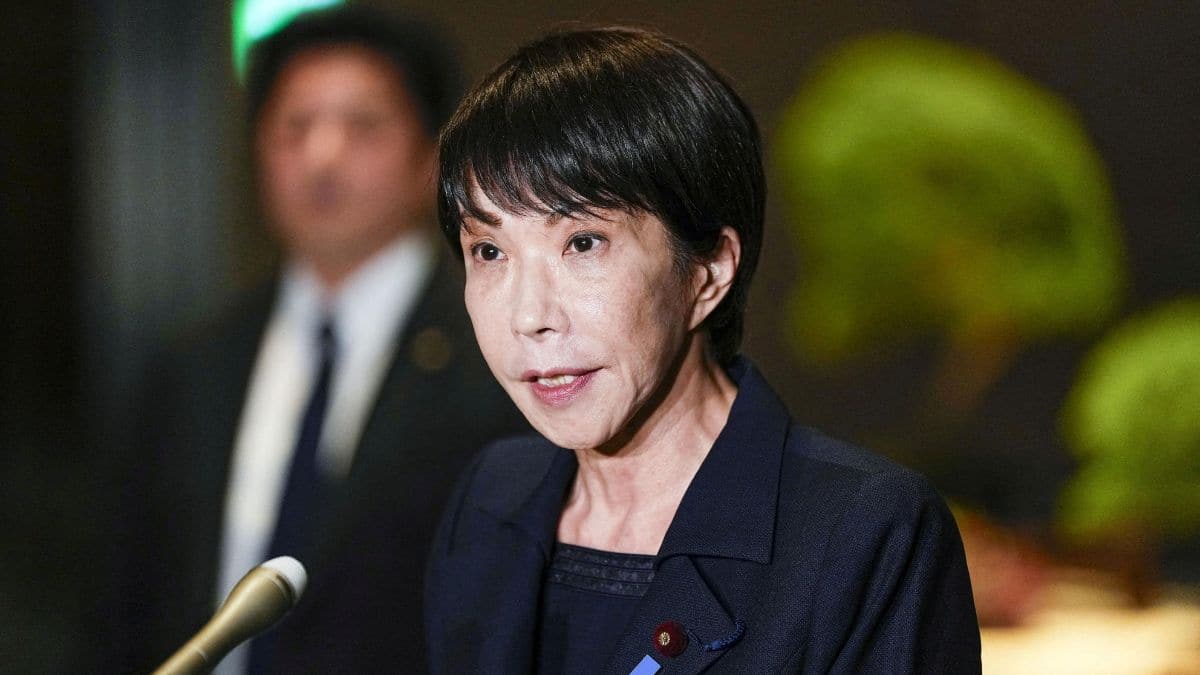
Japanese Prime Minister Sanae Takaichi skipped visiting the controversial Yasukuni Shrine in Tokyo on the 81st anniversary of Japan's World War II surrender, apparently to avoid straining ties with China and South Korea.
Defense Minister Shinjiro Koizumi, three other Cabinet ministers, three Liberal Democratic Party executives and dozens of lawmakers visited the shrine; LDP Secretary General Shunichi Suzuki delivered Takaichi's cash offering, the amount undisclosed.
In her speech at Nippon Budokan, Takaichi mourned war victims as the 'foundation of Japan's peace and prosperity today' but did not mention Japan's wartime past in Asia or express remorse.
China's Foreign Ministry protested, accusing the politicians of trying to 'change the verdict on the war criminals, cover up Japan's war crimes' and urging 'serious soul searching,' while a Chinese defense ministry spokesman accused Japan of 'remilitarisation.'
South Korea's foreign ministry called the visits and offerings 'an anachronistic act that disregards history,' while President Lee Jae Myung said Korea-Japan cooperation is 'more important than ever.'
- Who
- Japanese Prime Minister Sanae Takaichi, Defense Minister Shinjiro Koizumi, Emperor Naruhito, LDP officials, and officials in China and South Korea including President Lee Jae Myung
- What
- Japan marked the 81st anniversary of its World War II surrender as Takaichi skipped visiting the controversial Yasukuni Shrine while other Japanese politicians visited it, drawing criticism from China and South Korea
- Where
- Tokyo, Japan, at the Yasukuni Shrine and Nippon Budokan
- When
- Saturday, August 15, on the 81st anniversary of Japan's World War II surrender
- Why
- Takaichi apparently sought to avoid further straining relations with China and South Korea, which view visits to the shrine as showing a lack of remorse over Japan's wartime atrocities
China and South Korea
Japanese Officials
Yasukuni Shrine visits
China and South Korea
China and South Korea say visits by Japanese officials show a lack of remorse over Japan's wartime atrocities and disregard history.
Japanese Officials
Japanese officials who visited, such as Shinjiro Koizumi, say they renewed their war-renouncing resolve and continue to fulfill Japan's postwar responsibility as a peace-loving nation.
Apologies for wartime past
China and South Korea
China urges Japan to do 'serious soul searching' on history and make a clean break with militarism; South Korea urges Japan to face its history and demonstrate remorse.
Japanese Officials
Takaichi says she is from a postwar generation that bears no responsibility for Japan's past actions and has no intention of apologizing; Japanese prime ministers have stopped apologizing since 2013 under a precedent set by Shinzo Abe.
Japan's postwar role
China and South Korea
China's Foreign Ministry says the politicians' true intentions are to 'change the verdict on the war criminals, cover up Japan's war crimes, distort the historical facts and pave the way for accelerating militarization'; a Chinese defense ministry spokesman accused Japan of 'remilitarisation.'
Japanese Officials
Takaichi said Japan has consistently contributed to global peace and prosperity since the end of the war and mourned the dead as the 'foundation of Japan's peace and prosperity today.'
Key facts
- Prime Minister
- Sanae Takaichi (skipped visiting the shrine)
- Anniversary
- 81st anniversary of Japan's World War II surrender (August 15)
- Yasukuni Shrine
- Commemorates over 2.4 million war dead (one article says about 2.5 million); enshrines 14 convicted WWII war criminals
- Shrine visitors
- Defense Minister Shinjiro Koizumi, three Cabinet ministers, three LDP executives, dozens of lawmakers
- Takaichi's offering
- Cash offering delivered by LDP Secretary General Shunichi Suzuki; amount not disclosed
- Emperor's message
- Naruhito expressed 'deep remorse' and hopes the ravages of war will never be repeated
- China's response
- Foreign Ministry protest accusing politicians of covering up Japan's war crimes; urged 'serious soul searching'
- South Korea's response
- Foreign ministry called visits 'an anachronistic act'; President Lee Jae Myung favored 'pragmatic diplomacy'
Quotes

Shinjiro Koizumi
Japanese Defence Minister
“"I hope the ravages of war will never be repeated while reflecting on our past and bearing in mind the feelings of deep remorse."”
 NDTV
NDTV
“"I renewed my war-renouncing resolve and will continue to fulfill Japan's postwar responsibility as a peace-loving nation."”
NDTV
Sources
Related news

Japan Defense Minister Visits Yasukuni Shrine; China Lodges Protest
Russia protests to Japan's envoy over Takaichi's anti-Russian remarks

Putin visits disputed Kuril Islands, samples fish roe, Japan protests
Hiroshima Marks 81st Atomic Bomb Anniversary Amid Nuclear Policy Debate
Japan Protests Putin's First Visit to Disputed Islands
Japan PM Takaichi Says Cockroach Removal Left Her Lonely

Man Strips Naked at Emperor's New Year Greeting
Emperor Naruhito Addresses Japan, Global News Highlights
Japan Debates Princess Aiko's Royal Succession
Princess Aiko's Popularity Fuels Debate on Japan's Male-Only Succession Law