

1 month ago
Noida Sounds Dengue Alarm: Health Teams Act

In Noida, India, health teams are working hard to stop dengue fever from spreading.
They have found six to seven areas where there is a high risk of dengue because of stagnant water and mosquito larvae.
These areas include big housing societies and busy neighborhoods.
The health department and local resident groups are asking everyone to clean up, get rid of stagnant water, and learn how to keep mosquitoes away.
This is important because dengue can make people very sick, and it's better to prevent it before it starts.

Health department identifies 6-7 high-risk areas for dengue in Noida.
High-risk areas include gated residential societies and densely populated neighborhoods.
Resident Welfare Associations (RWAs) directed to conduct cleanliness drives and educate residents.
Preventive measures include eliminating stagnant water and mosquito control efforts.
Proactive steps taken to prevent potential dengue outbreak.
- Who
- Health department and Resident Welfare Associations (RWAs)
- What
- Dengue prevention measures in high-risk areas
- Where
- Noida, India
- When
- Immediately before potential outbreak
- Why
- To prevent the spread of dengue fever
Proactive Prevention
Potential Neglect
Preventive Measures
Proactive Prevention
Health teams are actively inspecting and treating high-risk areas to prevent dengue spread.
Potential Neglect
Some residents may not be fully cooperating with cleanliness drives and mosquito control efforts.
Key facts
- High-Risk Areas
- 6-7 areas identified
- Areas Inspected
- Gated residential societies and densely populated neighborhoods
- Preventive Measures
- Cleanliness drives, elimination of stagnant water, and resident education
- Initiated By
- Health department and Resident Welfare Associations (RWAs)
Sources
Related news

PM Modi to Attend IIT Delhi Convocation, Inaugurate AI Supercomputer

PM Modi Unveils Param Pragya AI Supercomputer at IIT Delhi
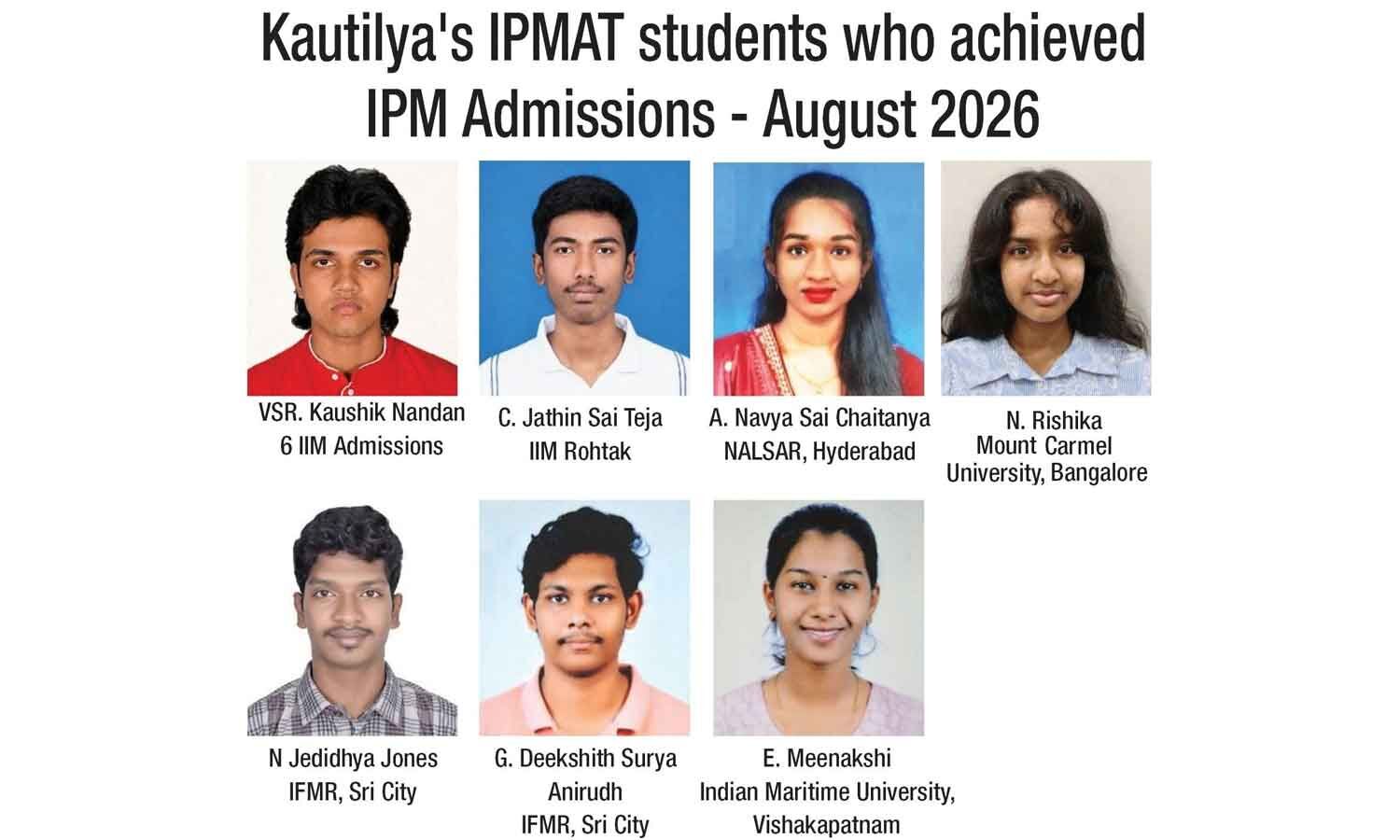
Ten Kautilya Students Secure Top Management Admissions Through IPMAT

Bengaluru Engineers Develop Affordable AI PC KEO

Professor, Five Students Arrested in IGKV Paper Leak

OpenAI Rolls Out GPT-5.6-Cyber Cybersecurity Model After Astra AI Delay
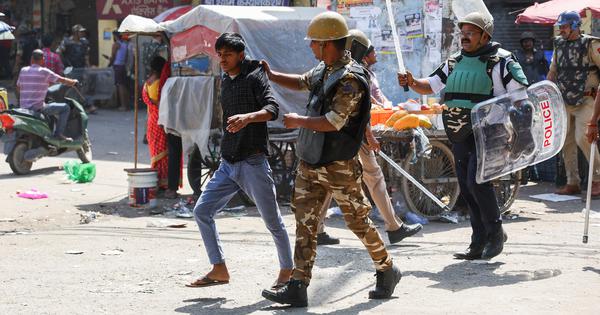
Indian Courts and Officials Face Detention, Speech Controversies

Films Raise Awareness of Violence but Cannot End It

Teen Allegedly Gangraped on Moving Delhi Bus; Two Arrested

Allahabad High Court Quashes Activist’s NSA Detention in Noida Case

Noida Intensifies Bus Checks After Gang-Rape; Delhi, RTO Absent
