

1 hr ago
Gua Sha’s Journey From Traditional Healing to Beauty Trend
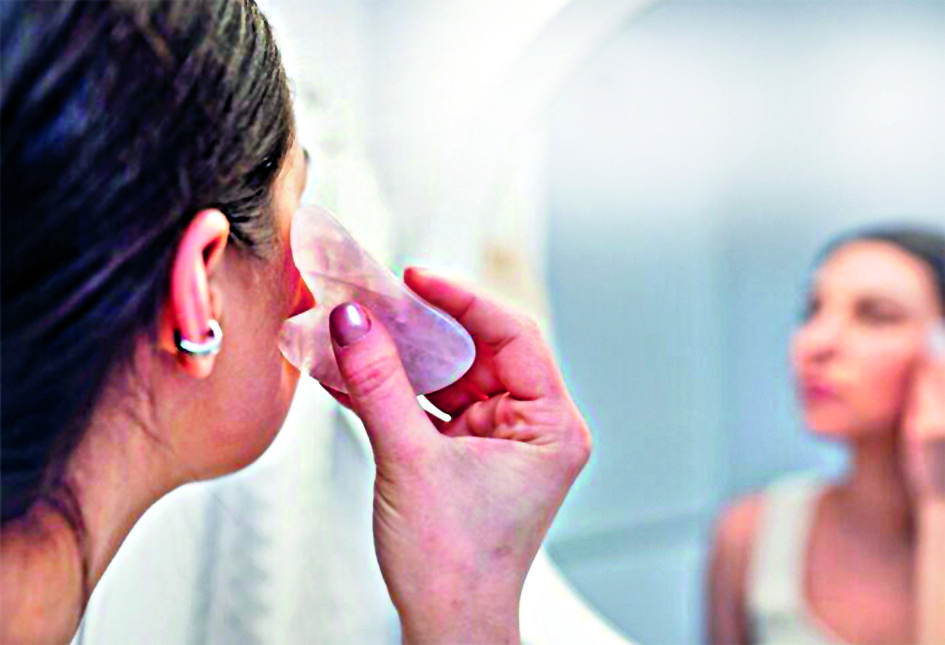
Gua sha is a practice that uses a smooth-edged tool on the skin.
It began in Traditional Chinese Medicine and was mainly used on the body.
Today, many people use smaller, flatter stones to gently massage their faces.
This may briefly make the face look less puffy and can feel relaxing.
It does not permanently create new cheekbones or change the shape of the face.
Pressing too hard can hurt or irritate the skin.
Social media helped make facial gua sha popular because the tools and movements look good in videos.
Some people see the trend as a way to share East Asian wellness practices.
Others worry that selling gua sha as a beauty product can hide or remove its cultural history.

Gua sha originated in Traditional Chinese Medicine as a body-focused technique for muscle pain, tension and discomfort.
Modern facial gua sha uses gentle strokes with flat tools made from jade, rose quartz or other stones.
Practitioners say facial massage may temporarily reduce puffiness and create a refreshed appearance, but it cannot permanently reshape facial anatomy.
Dermatologists warn that excessive pressure or aggressive scraping can cause irritation, bruising and skin damage.
The trend’s global popularity has sparked debate over cultural appropriation and the loss of gua sha’s traditional context.
- Who
- Traditional Chinese Medicine practitioners, beauty practitioners, skincare enthusiasts, dermatologists and beauty companies are associated with the practice and its modern popularity.
- What
- Gua sha has shifted from a traditional body-focused healing technique to a social-media-driven facial beauty ritual.
- Where
- The practice originated in Traditional Chinese Medicine and is now marketed and used globally, including in Western beauty markets.
- When
- The traditional practice predates the current social-media trend by centuries; its modern popularity accelerated with Instagram, TikTok and YouTube.
- Why
- People use facial gua sha for massage, relaxation and a temporarily less-puffy appearance, while beauty markets have promoted it as a lifestyle product.
Cultural Context and Caution
Wellness Access and Beauty Use
Meaning of commercialization
Cultural Context and Caution
Critics say beauty companies can extract gua sha from its culturally significant origins and repackage it primarily as a profitable consumer product.
Wellness Access and Beauty Use
Supporters see the trend as an opportunity for more people to encounter East Asian approaches to wellness.
What facial gua sha can do
Cultural Context and Caution
Dermatologists emphasize that massage may only temporarily affect puffiness and does not permanently reshape facial anatomy; aggressive use can damage skin.
Wellness Access and Beauty Use
Beauty practitioners and skincare enthusiasts value the ritual for relaxation, massage and a temporarily refreshed or more defined appearance.
Key facts
- Traditional use
- Gua sha involved scraping or pressing the body with a smooth-edged tool for conditions linked to muscle pain, tension and discomfort.
- Modern tools
- Facial versions are generally flatter and made from jade, rose quartz or other stones.
- Reported effects
- Gentle facial massage may temporarily reduce puffiness and create a more defined or refreshed appearance.
- Medical caution
- Excessive pressure or aggressive scraping may cause irritation, bruising and skin damage.
- Unsupported claims
- Claims that gua sha permanently reshapes facial structure or eliminates wrinkles extend beyond the more limited effects described by dermatologists.
- Social-media platforms
- Instagram, TikTok and YouTube helped accelerate the practice’s popularity through visual demonstrations and before-and-after imagery.
- Cultural debate
- The trend has raised concerns that commercial beauty products can separate gua sha from its historical and medical context.
Quotes
Amitabh Agrawal
Dermatologist describing temporary cosmetic effects and potential risks of excessive pressure.
“Gentle facial massage may temporarily improve the appearance of puffiness, particularly by moving superficial fluid, but it should not be confused with permanently reshaping facial anatomy. People should also be cautious about excessive pressure or aggressive scraping, because irritation, bruising and skin damage are possible.”
 deccanchronicle.com
“But I always explain that the effect is different from permanently changing the structure of someone’s face. It is about massage, circulation and temporary appearance rather than physically sculpting new cheekbones.”
deccanchronicle.com
Sources
Related news
Mud Therapy Revival Brings Ancient Wellness Into Modern Spas

Krystle Dsouza Responds to Cosmetic Surgery Speculation on The Traitors
Skin Regeneration Shifts Aesthetic Medicine Toward Long-Term Health
How Matcha Became a Modern Lifestyle Trend Beyond Ancient Tea

Hema Malini Urges Balance in Cosmetic Procedures and Ageing

Shanaya The Doll Describes Personal Vision Behind Cosmetic Transformation
MAD’s Rob Leaves Television, Finds Greater Success Through Art

Mumbaicha Raja Reaches 8.41 Crore Online During Ganeshotsav 2026

Samay Raina Delivers Telugu Humor to an Unsuspecting Fan

Samay Raina Roasts Ayushmann Khurrana's Pati Patni Aur Woh Do
