

2 hrs ago
Mud Therapy Revival Brings Ancient Wellness Into Modern Spas
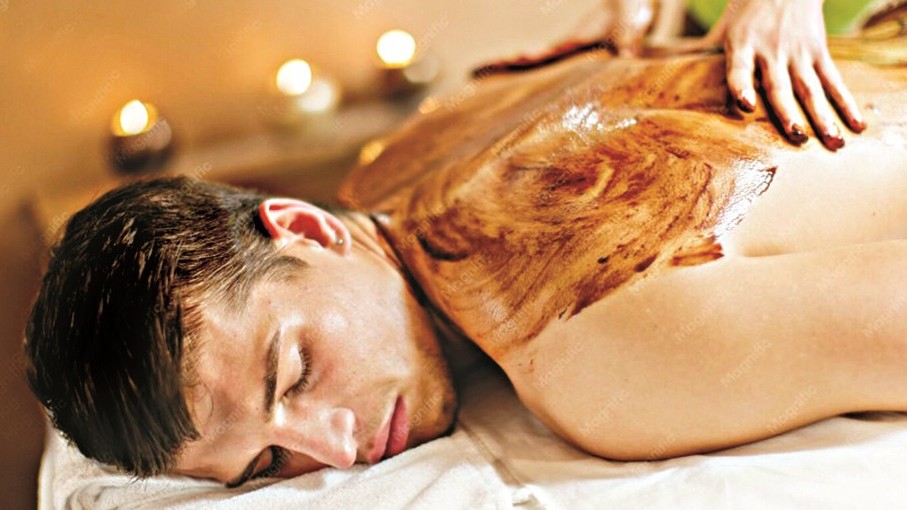
Mud therapy means putting special mud or clay on the body for relaxation and skincare.
People have used mud in traditional healing practices for a very long time.
Today, spas use different kinds of mud from places such as the Dead Sea and volcanic regions.
Some muds can help remove oil and dirt from the skin.
Warm mud may also soothe stiff joints and tired muscles.
Studies suggest it may help some skin problems and knee pain, but it should not replace medical treatment.
Spa mud and medical mud are not always the same.
People with sensitive skin should test a small area first.
Anyone with wounds, infections, or certain health problems should ask a doctor before using it.

Mud therapy is becoming a global wellness ritual, combining Ayurvedic traditions with European spa practices and luxury resort treatments.
Dead Sea mud contains minerals including magnesium, sodium, potassium, bromide, and sulfur, and remains popular for skin-focused therapies.
Medical mud treatments differ from cosmetic spa applications in their mineral concentration, processing, and clinical use.
Research suggests mud therapies may improve skin inflammation and hydration and provide complementary relief for psoriasis and knee osteoarthritis.
Experts recommend patch-testing mud, avoiding it on open wounds or during autoimmune flares, limiting applications to 15 minutes, and moisturising afterward.
- Who
- Wellness seekers, athletes, urban professionals, celebrities, spa directors, and dermatologist Dr Tanya S Dubey are associated with the mud-therapy trend.
- What
- Mud therapy is experiencing a revival as a wellness and skincare practice, while clinical research examines its possible skin and joint benefits.
- Where
- Treatments are offered in Ayurvedic settings, European spas, luxury resorts worldwide, and destinations including the Dead Sea and India.
- When
- The trend is described as growing currently, drawing on ancient traditions and research conducted over decades.
- Why
- People use mud therapy for relaxation, skin cleansing and hydration, stress relief, muscle recovery, and complementary relief from some skin and joint conditions.
Clinical Caution
Spa And Wellness Appeal
Evidence and purpose
Clinical Caution
Dr Tanya S Dubey says clinical mud therapy differs from cosmetic spa mud and that the evidence for psoriasis and knee osteoarthritis is promising but limited; it should be complementary rather than a standalone treatment.
Spa And Wellness Appeal
Spa representatives describe mud rituals as tools for relaxation, renewal, stress relief, cleansing, skin nourishment, and connection with traditional wellness practices.
Health claims
Clinical Caution
The strongest evidence cited concerns skin effects, particularly anti-inflammatory action, hydration, and barrier support; broader claims about immune boosting are limited.
Spa And Wellness Appeal
Wellness practitioners associate different muds with detoxification, circulation, muscle recovery, skin rejuvenation, and holistic well-being.
Key facts
- Main materials
- Dead Sea mud, volcanic mud, clay, and Indian Multani Mitti are among the materials used.
- Dead Sea minerals
- The article identifies magnesium, sodium, potassium, bromide, and sulfur among minerals associated with Dead Sea mud and water.
- Reported skin effects
- Research cited in the article links Dead Sea mud with reduced pro-inflammatory markers, improved hydration, and stronger skin-barrier function.
- Other reported benefits
- Mud packs and baths have shown promising but limited results for psoriasis severity and knee osteoarthritis.
- Application limit
- Experts recommend keeping mud applications to 15 minutes.
- Safety advice
- Patch-test first, avoid open wounds and infections, and seek dermatological clearance during active autoimmune flares.
- Celebrity users mentioned
- Miley Cyrus, Gwyneth Paltrow, Alia Bhatt, and Manushi Chhillar are described as using or promoting mud-based rituals.
Quotes
Dr Tanya S Dubey
Dermatologist and hair, skin and nails expert quoted on clinical and cosmetic mud therapy.
“People are rediscovering something with real dermatological and rheumatological backing. Mud used in serious clinical settings is often quite different from what you'd find at a cosmetic spa, both in mineral concentration and how it’s processed.”
 deccanchronicle.com
“Dead Sea mud smooths and nourishes skin. Volcanic mud detoxifies. Clay is usually finer and more mineral-rich. So, it is often used to absorb excess oil and gently purify the skin.”
deccanchronicle.com
Sources
Related news
Ayurveda's 6 Ancient Ingredients Spotlighted for India's Independence Day
Six Signs Monsoon Skin Barrier Damage And Ayurvedic Remedies

Roshni Chopra’s Salt Stomping Ritual Draws Dermatology Caution

Ahmedabad Airport Wellness Center Turns Layovers Into Recovery Time

Sanya Malhotra Shares Three Practices For Body And Mind

Patanjali Yog Gram Offers Ayurveda Wellness Retreat In Haridwar

Gwyneth Paltrow Mocks Backlash Over Sam Altman Dinner
