2 weeks ago
Proposed UPI MDR fees could power Paytm growth, BofA says
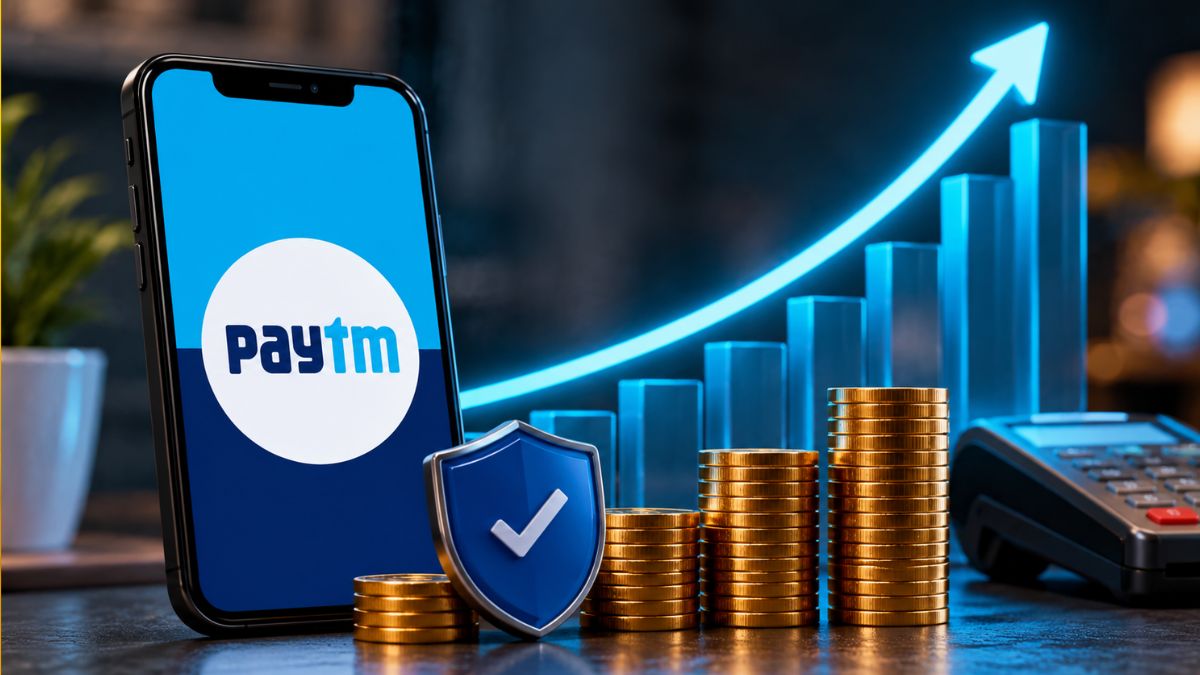
UPI is a popular way for people in India to send and receive money using their phones, and using it has been free for everyone.
But running UPI costs money, because banks and payment companies must keep it safe and working.
The government has created the legal flexibility to let banks charge a small fee, called MDR, to bigger shops when they receive UPI payments.
Small shops and regular people would not have to pay this fee.
A research group at Bank of America thinks this change could bring in a lot of money for payment companies each year.
It believes Paytm, a big payment app, could earn more money because it handles many merchant payments.
Paytm's share price already went up by 18% because of this news.
The research group still thinks Paytm's stock could be worth more in the future.
Everyone is now waiting to see the final rules the government will announce.

The government has created legal flexibility to introduce a Merchant Discount Rate (MDR) on selected UPI merchant transactions, though final rules are still awaited.
Bank of America Global Research estimates the move could create an annual revenue opportunity of around Rs 8,000-11,500 crore for the payments industry.
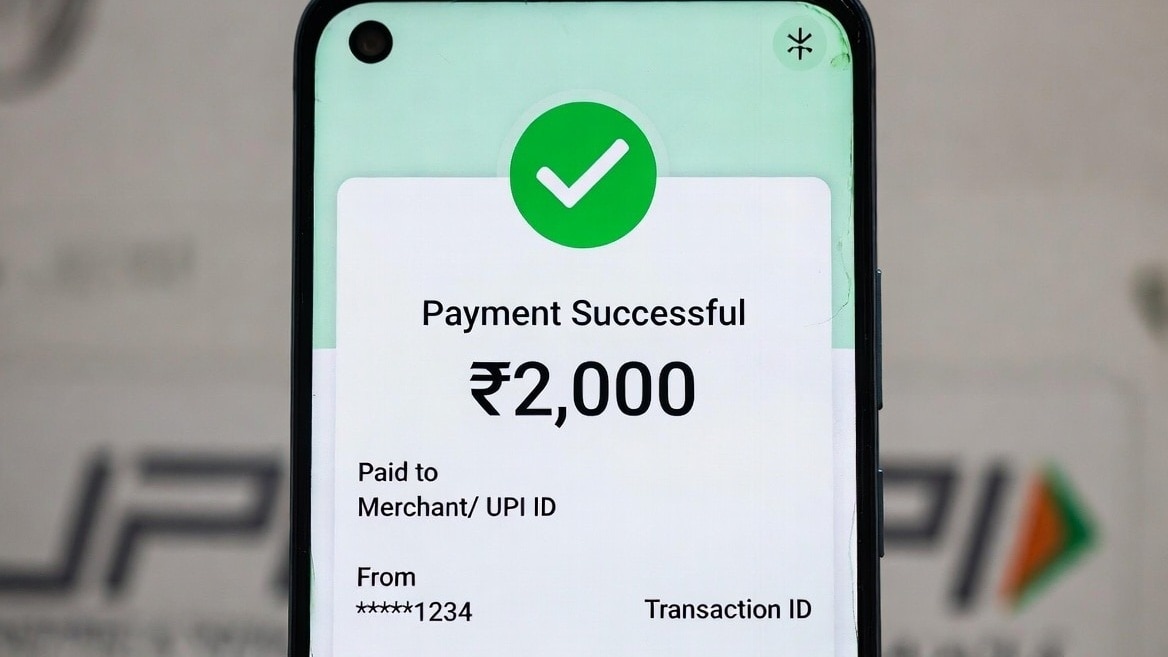
MDR may apply only to larger merchants and transactions above Rs 2,000 at a rate of 25-40 basis points, while UPI is expected to remain free for consumers and smaller merchants.
BofA raised its price objective on Paytm to Rs 1,775 from Rs 1,560 and reaffirmed a 'Buy' rating, calling Paytm the key beneficiary due to its merchant payments presence.
Paytm shares have risen 18% since the MDR-related news emerged, compared with a 2% rise in the Nifty, and BofA says a large part of the upside is already captured.
- Who
- The Government of India, which created legal flexibility for MDR; Bank of America Global Research, which analysed the impact; and Paytm and PhonePe, the payment apps likely to be affected.
- What
- A proposed Merchant Discount Rate (MDR) on selected UPI merchant transactions that could create an annual revenue opportunity of Rs 8,000-11,500 crore for the payments industry.
- Where
- India
- When
- The proposal is under consideration and final rules are still awaited, while a possible UPI market-share cap is mentioned for December 2026.
- Why
- To recover the costs of running the UPI network, including technology, fraud monitoring, cybersecurity, settlement and customer support, from larger merchants.
MDR as Paytm growth catalyst
MDR upside already priced in
Impact of proposed MDR on Paytm
MDR as Paytm growth catalyst
MDR could be a major earnings catalyst: if a 25-basis-point MDR is introduced and Paytm gains 2-3 basis points in incremental net profit margin, there is 18-24% potential upside to FY2028-2030 EPS estimates and around 20% upside to fair value.
MDR upside already priced in
Paytm shares have already risen 18% since the MDR news flow emerged versus a 2% rise in the Nifty, so a large part of the upside is mainly captured; investors need clarity on the final rate, eligibility and revenue-sharing structure, and monetisation could make banks more aggressive competitors.
Key facts
- Annual revenue opportunity
- Rs 8,000-11,500 crore for the payments industry
- Proposed MDR rate
- 25-40 basis points
- Applicable transactions
- Larger merchants and transactions above Rs 2,000
- Estimated transaction pool
- Around Rs 45 lakh crore per year
- BofA price objective for Paytm
- Rs 1,775, raised from Rs 1,560 (Buy rating)
- Paytm share move since news
- +18% vs +2% for the Nifty
- PhonePe consumer UPI market share
- Around 49%
- Person-to-merchant share of UPI value
- 30-35%
Quotes

Bank of America Global Research
Research analysts at Bank of America Global Research
“Paytm the key beneficiary from UPI within its coverage universe.”
 financialexpress.com
Sources
Related news

SBI, HDFC, Baroda Among Biggest Beneficiaries If UPI MDR Returns
UPI MDR Return: Banks, PhonePe, Paytm, Google Pay Benefit

Selective UPI MDR Could Generate Rs 30,000 Crore Revenue

UPI Users Unlikely to Pay Fees Even If MDR Allowed
Bank of America Vice President Killed in Times Square Stabbing

Times Square Stabbing Leaves One Dead; Suspect Had Ominous Posts
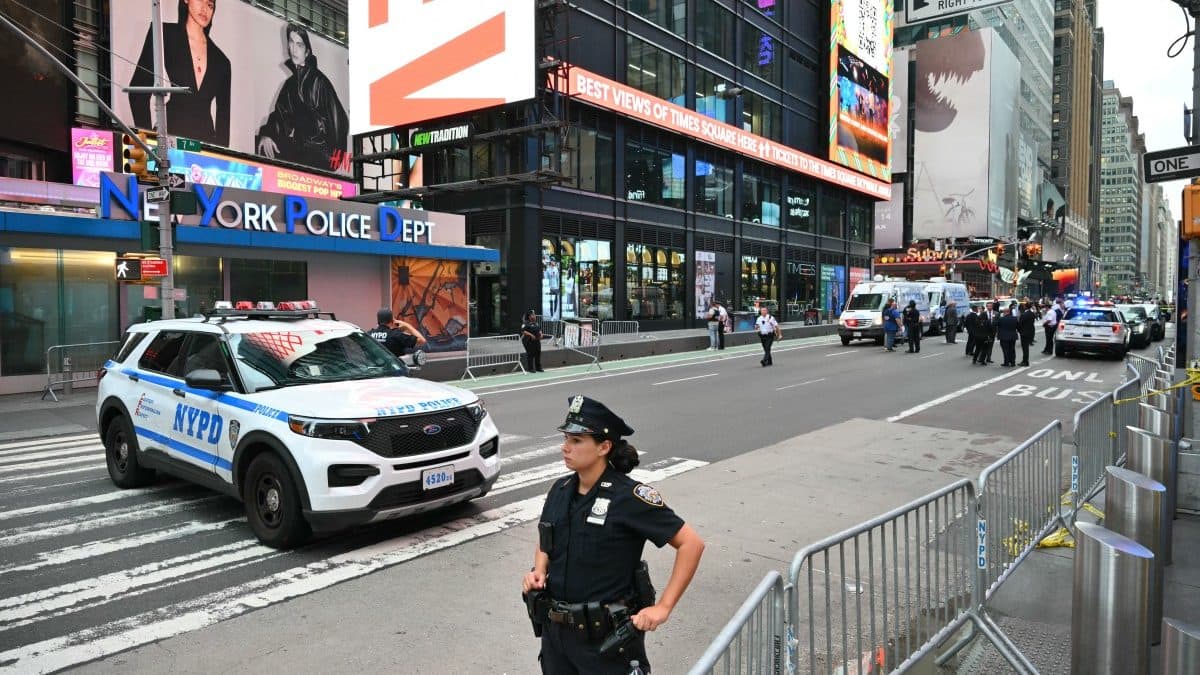
Social Media Posts Preceded Fatal Times Square Stabbing Rampage
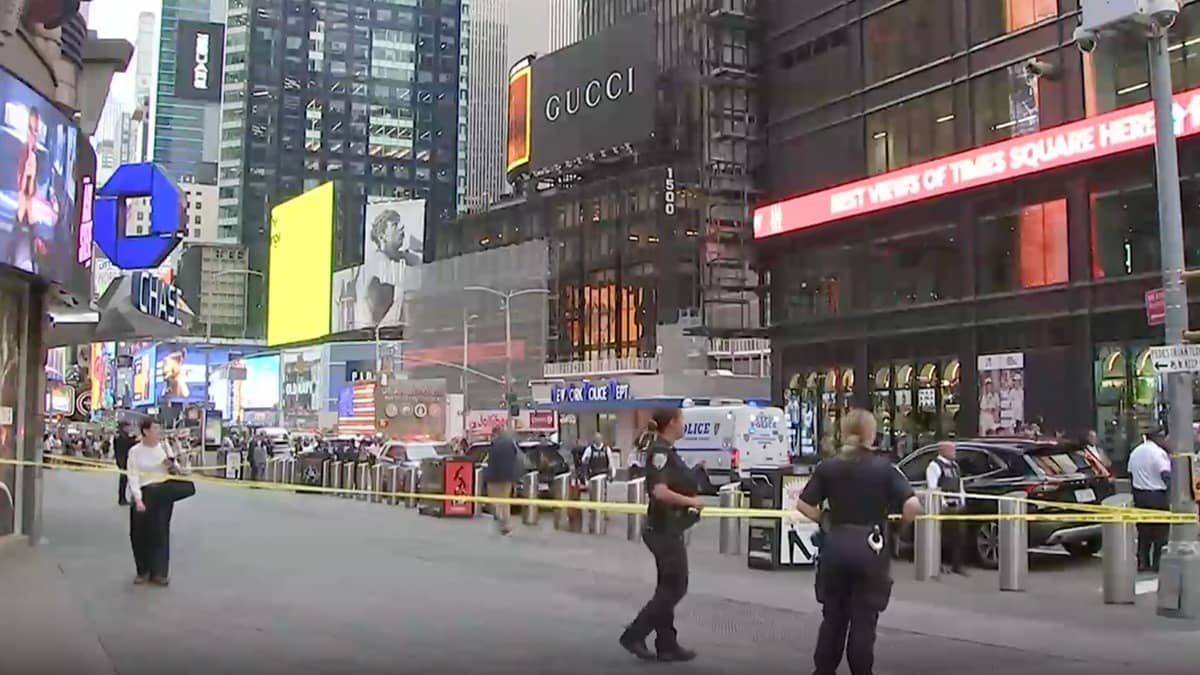
Times Square Stabbing Kills Bank Executive as Police Shoot Suspect

Beyond Nvidia, power and cooling firms benefit from data-centre boom