3 hrs ago
Telangana High Court Protects Advocates’ Court Access Despite Bar Boycott
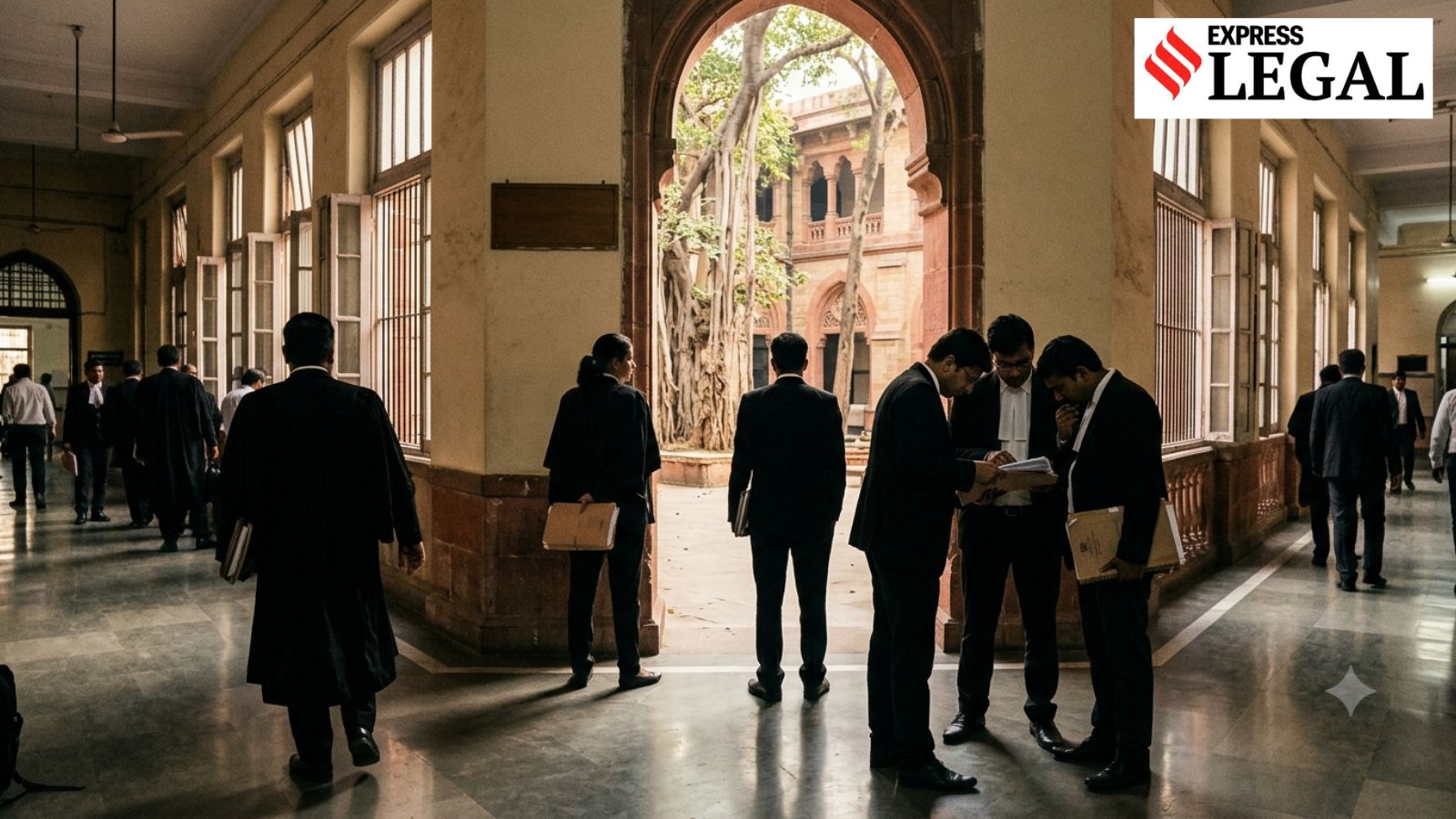
A group of lawyers announced a one-day court boycott in Nampally.
One lawyer said he was stopped and assaulted because he did not join the boycott.
The Telangana High Court said lawyers cannot be forced to stay away from court.
It also said lawyers usually do not have a general right to strike or boycott court work.
In very rare situations, a one-day protest may be allowed under legal guidelines.
But even then, nobody may threaten, block or hurt a lawyer who wants to attend court.
The court did not decide the disputed assault facts in the contempt case.
It dismissed that case because the individual actions of the respondents were not clearly established and criminal proceedings were already underway.

The Telangana High Court said a bar boycott cannot stop an advocate from entering court or performing professional duties.
The ruling followed allegations that an advocate was obstructed and assaulted during a one-day boycott at Nampally on June 16, 2025.
The court reiterated that advocates generally have no right to strike or call court boycotts, except in rare circumstances and for no more than one day.
It said any boycott cannot justify intimidation, coercion, obstruction or physical harm against advocates who attend court.
The contempt case was dismissed because individual roles were not sufficiently established and disputed assault allegations were already subject to criminal proceedings.
- Who
- The Telangana High Court, Justice Laxmi Narayana Alishetty, an advocate, and office-bearers of the Metropolitan Criminal Court Bar Association.
- What
- The court ruled that a bar boycott cannot prevent an advocate from entering court or performing professional duties, while dismissing the related contempt case.
- Where
- The dispute involved the Metropolitan Criminal Court Bar Association at Nampally and was decided by the Telangana High Court.
- When
- The alleged incident occurred on June 16, 2025; the High Court issued its ruling on September 21.
- Why
- The case concerned allegations that an advocate was obstructed and assaulted after refusing to join a court boycott.
Advocate’s Allegations
Bar Respondents’ Position and Court’s Procedural Finding
What happened during the boycott
Advocate’s Allegations
The advocate alleged that he was stopped from entering court, told to remove his advocate’s band and leave, slapped and assaulted, and injured after falling down stairs.
Bar Respondents’ Position and Court’s Procedural Finding
The allegations were disputed, and the court noted that criminal proceedings had already been initiated over the competing versions.
Purpose and legal limits of the boycott
Advocate’s Allegations
The advocate’s position was that refusing to join the boycott should not result in obstruction or harm and that he was entitled to attend court.
Bar Respondents’ Position and Court’s Procedural Finding
The boycott was described as an expression of solidarity and condemnation of alleged attacks on advocates, but the court said it could not justify coercion or obstruction.
Contempt liability
Advocate’s Allegations
The petition sought contempt action against the Bar association office-bearers over the alleged obstruction and assault.
Bar Respondents’ Position and Court’s Procedural Finding
The court held that contempt could not ordinarily be imposed collectively without specific evidence of each respondent’s role, and declined to conduct a parallel trial of disputed criminal facts.
Key facts
- Court
- Telangana High Court
- Judge
- Justice Laxmi Narayana Alishetty
- Boycott date
- June 16, 2025
- Boycott duration
- One day
- Association
- Metropolitan Criminal Court Bar Association, Nampally
- Contempt outcome
- Petition dismissed
- Court principle
- Boycotts cannot authorize threats, coercion, obstruction or physical assault
Quotes
Justice Laxmi Narayana Alishetty
Telangana High Court judge who heard the contempt petition
“Contempt proceedings cannot ordinarily be maintained against respondents collectively without specific allegations and material demonstrating the individual role and involvement of each person. The court found that, except for respondent number 5, an advocate, the material did not disclose a specific act attributable to each respondent. It also held that contempt liability could not be imposed merely because a person held a position in the Bar Association.”
 indianexpress.com
“Even where a boycott/protest is undertaken in circumstances claimed to be exceptional, no advocate, litigant or other person shall be subjected to intimidation, coercion, obstruction or harm for choosing to attend Court or pursue his or her legal remedy.”
indianexpress.com
Sources
Related news

West UP lawyers intensify demand for Allahabad High Court bench

Karnataka High Court Sentences Advocate To One-Day Imprisonment

Rajasthan High Court Rejects Plea of Man Posing as Advocate
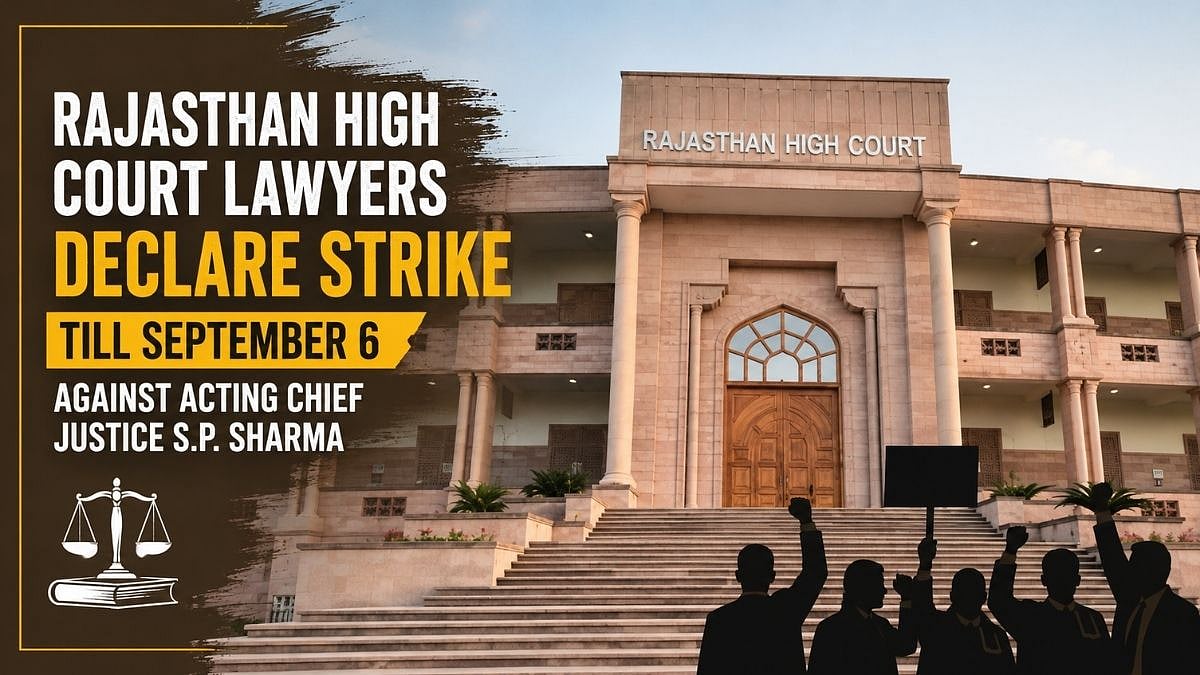
Rajasthan Lawyers Strike Over Allegations Against Acting Chief Justice
Supreme Court Rebukes Maharashtra Official in Contempt Proceedings

Rajasthan Bar Seeks Permanent Chief Justice Amid Judicial Dispute

Supreme Court Refers Election Commission Appointment Law to Larger Bench
Gyanesh Kumar Faces Election Panel Scrutiny Over Voter Roll Decisions
IIT Bombay Suicides Renew Debate Over Student Mental Health

Supreme Court Hears Mamata Banerjee Challenge to TMC Symbol Freeze
Karnataka Auto Unions Challenge High Court Bike-Taxi Ruling