3 weeks ago
Don't Use Military Prestige for Partisan Politics, Veteran Argues
People who used to be soldiers sometimes join political events.
That is allowed, and they can share their opinions like everyone else.
But some retired soldiers wear their old uniforms and medals at political rallies and TV debates.
This article says that can be a problem for the country.
People might think the whole army supports one political team.
In America, retired soldiers usually leave military symbols out of political campaigns.
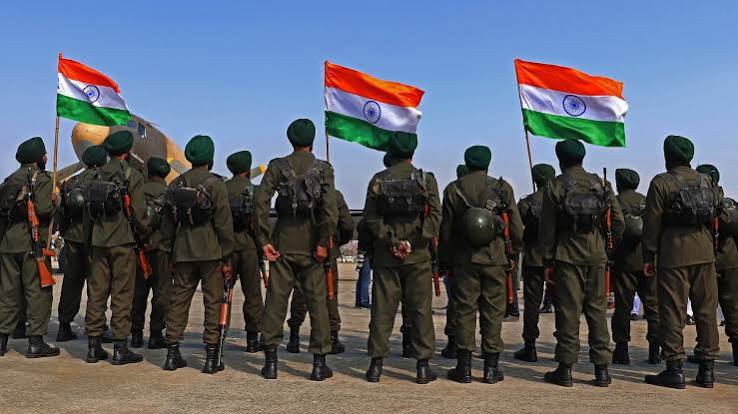
In India, wearing military clothes at political events is becoming more common.
A retired army leader named Bhopinder Singh wrote this article to warn about this.
He says soldiers must stay neutral and protect all citizens, no matter which team leads the country.

Retired Lieutenant-General Bhopinder Singh warns against misusing the prestige of the military to further partisan politics.
US veterans are generally expected to keep uniforms, medals and insignia separate from political campaigns and party contests.
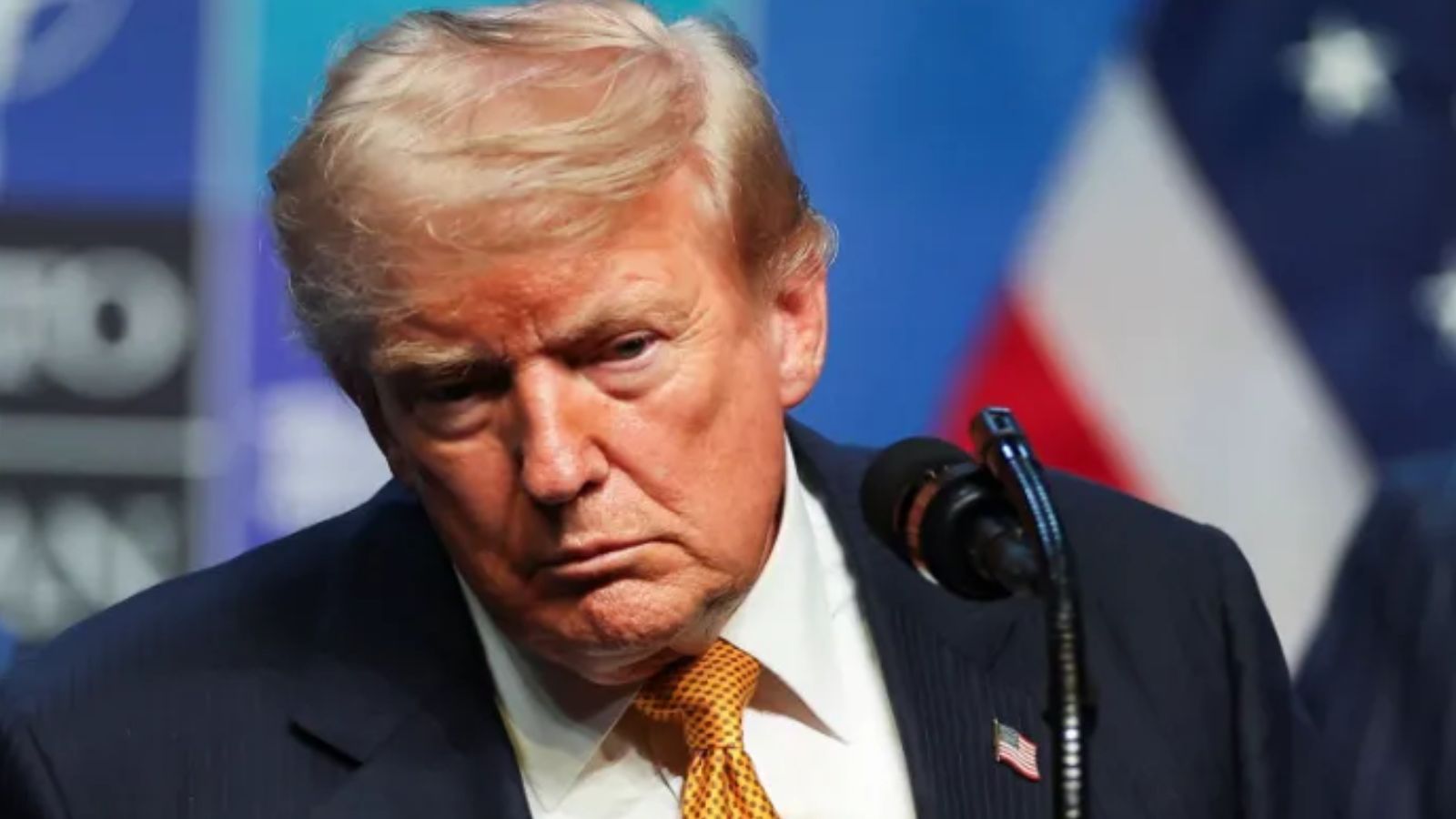
John McCain and James Mattis expressed concern about political leaders such as Donald Trump portraying senior officers as personal extensions of their movements.
India lacks firmly established conventions, and retired officers have increasingly appeared in political settings and TV debates in regimental attire.
The author argues that borrowing military prestige risks eroding public trust in the armed forces' political neutrality.
- Who
- Retired military officers, US President Donald Trump, senators John McCain and James Mattis, and author Bhopinder Singh, a retired lieutenant-general.
- What
- A debate over whether retired officers should display military uniforms, medals and insignia while engaging in partisan politics.
- Where
- United States and India.
- When
- Not specified; described as a current issue with Donald Trump as the incumbent US president.
- Why
- Military prestige carries broad public trust that political actors seek to borrow, which risks eroding the armed forces' perceived impartiality.
Defenders of Strict Military Neutrality
Champions of Veterans' Free Political Expression
Veterans' political participation
Defenders of Strict Military Neutrality
Retired officers should participate in politics as individual citizens, without appearing as real or implied representatives of the armed forces.
Champions of Veterans' Free Political Expression
Veterans have every right to join political parties, contest elections, campaign for causes and express personal views like any other citizen.
Military symbols in partisan settings
Defenders of Strict Military Neutrality
Wearing regimental attire, medals and insignia at rallies and TV debates implies institutional endorsement and weakens the military's constitutional neutrality.
Champions of Veterans' Free Political Expression
Service symbols are honors earned by individuals; regulations and traditions permit their display, including on ceremonial and official occasions.
Borrowing military prestige
Defenders of Strict Military Neutrality
Using military credibility in non-defence arguments is a risky exchange that erodes long-term public trust in the institution.
Champions of Veterans' Free Political Expression
Military experience in leadership, administration and national security can enrich democratic debate and lend trustworthy perspectives.
Key facts
- Author
- Bhopinder Singh, retired lieutenant-general and former lieutenant-governor of the Andaman and Nicobar Islands and Puducherry
- Issue
- Use of military uniforms, medals and insignia in partisan politics
- Countries discussed
- United States and India
- Core principle
- The authority of the armed forces belongs to the Constitution and the nation, not to any political faction
- US figures cited
- Donald Trump, John McCain, James Mattis
- Concern in India
- Retired officers appearing in political settings and TV debates wearing regimental attire
- Position on veterans' rights
- Veterans may join parties and campaign as individual citizens, not as representatives of the armed forces
Sources
Related news
Pakistan Questions Asim Munir’s Expanding Military and Political Power
Annamalai: military uniform offers Gen Z the highest purpose
Civil-Military Turmoil Tests Political Control and Military Effectiveness

Operation Safed Sagar Actors Reveal Patriotism Meaning on Independence Day

Senior U.S. Military Leaders Depart Before Terms End
Pentagon Reports Decline in US Military Sexual Assault
Iran Warns Gulf States Any US Aid Means War Participation

Trump Says Secret Service Switched His Aircraft Over Threat