3 weeks ago
Trump low-keys Iran pressure as Netanyahu rejects Gaza peace framework
Sometimes big countries disagree about how to solve problems, and right now the United States, Iran, and Israel are having a big disagreement.
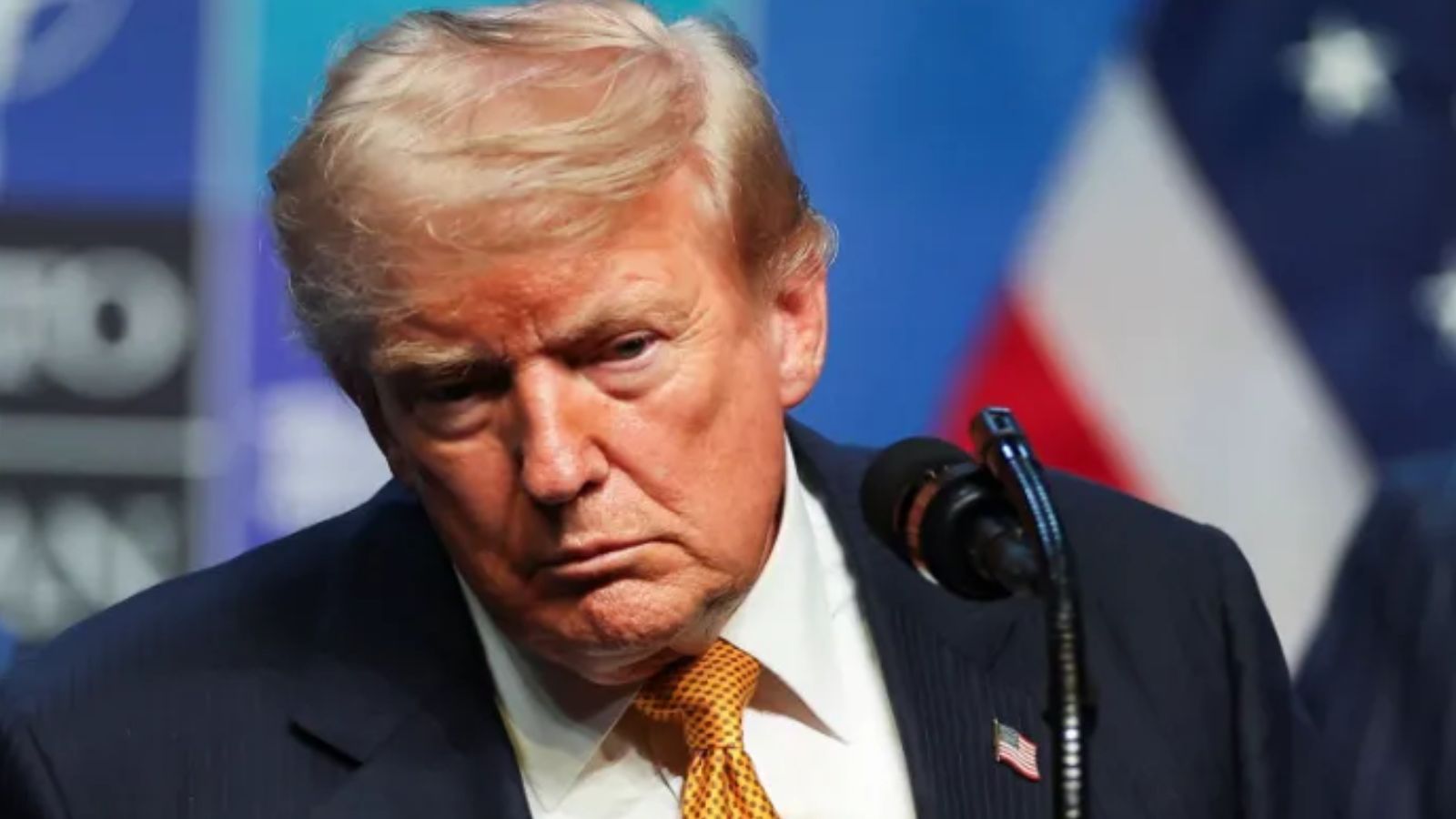
The American leader, President Trump, says he wants to wait and see what happens in Iran instead of fighting.
Iran's money is worth less, prices are very high, and the country does not have enough money for its army.
Trump thinks this might make Iran agree to new rules without a war.
There is a very important water road called the Strait of Hormuz where ships carry oil for the whole world.
It is not fully open yet, and talks about it stopped because Iran asked for new things.
Israel's leader, Prime Minister Netanyahu, also said no to a peace plan for a place called Gaza.
The plan wanted Israel to slowly leave Gaza if a group called Hamas stopped fighting.
Netanyahu says Hamas must stop fighting first, before Israel will leave.
Leaders are trying to find an answer that everyone can agree on, but they each want different things first.

Trump told Axios he is only 'semi-negotiating' with Iran and will wait for its 'huge inflation' and lack of money to force concessions, a shift from last week when strikes were reportedly close to approval.
A three-way US-Iran-Oman understanding over the Strait of Hormuz stalled after Iran's Supreme National Security Council added demands for an end to US involvement in Lebanon, Gaza, Yemen and Iraq, a full US naval withdrawal and compensation for war damage.
Netanyahu publicly rejected the Trump administration's 15-point Gaza peace framework, insisting Hamas must be fully disarmed before Israel considers withdrawing from Gaza.
About 8 million barrels of oil a night still pass through the southern lane of the Strait of Hormuz, with tacit coordination from the US military.
Vice President JD Vance said the US keeps diplomatic, economic and military options on the table, while the Board of Peace defended the Gaza plan as the only realistic way to prevent the crisis from repeating.
- Who
- US President Donald Trump, Israeli Prime Minister Benjamin Netanyahu, Iranian President Masoud Pezeshkian, US Vice President JD Vance, and a faction linked to IRGC commander Ahmad Vahidi.
- What
- The US shifts to economic pressure on Iran while Strait of Hormuz talks stall, and Netanyahu rejects the US-backed 15-point Gaza peace framework.
- Where
- Doha and Islamabad as mediation venues, the Strait of Hormuz, Gaza, and Lebanon, Yemen and Iraq.
- When
- This weekend — Trump and Netanyahu spoke on Sunday; Vance's remarks and the stalled Hormuz talks came on Saturday.
- Why
- Trump thinks Iran's inflation and lack of money will force concessions without military action, while Netanyahu insists Hamas must be fully disarmed before Israel withdraws from Gaza.
US diplomatic approach
Hardline stance
Iran strategy
US diplomatic approach
Trump says the US is 'low-keying it' and only 'semi-negotiating,' betting that Iran's huge inflation and lack of money will force concessions without military action.
Hardline stance
Vice President Vance says the US keeps every option — diplomatic, economic and military — on the table, and just a week earlier Trump was close to approving another round of strikes against Iran.
Gaza peace framework
US diplomatic approach
The Trump administration's 15-point plan links Israel's gradual withdrawal to Hamas giving up its weapons, with Gaza eventually under a new Palestinian authority; the Board of Peace calls it the only realistic way to prevent the crisis from repeating.
Hardline stance
Netanyahu rejects the framework, demanding Hamas be fully disarmed before Israel withdraws, and says Israel will not accept outside governments, including Washington, telling it how to conduct its wars.
Strait of Hormuz deal
US diplomatic approach
Mediators in Doha and Islamabad said a three-way US-Iran-Oman understanding appeared close, which would give Iran some control over traffic through the strait.
Hardline stance
Iran's Supreme National Security Council stalled the talks with new demands, including a permanent end to US involvement in Lebanon, Gaza, Yemen and Iraq, full US naval withdrawal and compensation for war damage.
Key facts
- Trump's stance on Iran
- Only 'semi-negotiating,' betting on Iran's 'huge inflation' and lack of money to force concessions
- Oil price
- Around $75 per barrel
- Strait of Hormuz oil flow
- About 8 million barrels a night through the southern lane
- US Gaza peace framework
- 15-point plan linking Israel's gradual withdrawal to Hamas giving up its weapons, with Gaza under a new Palestinian authority
- Iran's new demands
- Permanent end to US involvement in Lebanon, Gaza, Yemen and Iraq; full US naval withdrawal; war compensation
- Iranian internal split
- President Pezeshkian pushing for a deal; faction tied to IRGC commander Ahmad Vahidi opposed to concessions
- Upcoming elections
- Netanyahu faces an October election; Trump heads into November midterms
Quotes
Prime Minister Benjamin Netanyahu
Israeli Prime Minister
“We are only semi‑negotiating with them. We are just watching Iran with its huge inflation and the fact they have no money.”
 financialexpress.com
“Netanyahu on Sunday publicly rejected the Trump administration’s 15‑point Gaza peace framework.”
financialexpress.com
Sources
Related news
Trump says US 'low-keying' standoff with Iran, like chess
Trump Says U.S. 'Low-Keying It' With Iran, Stresses Economic Pain
Trump: US only 'semi-negotiating' with Iran, Khamenei tightens grip

Trump Says US 'Semi-Negotiating' With Iran as Hormuz Talks Stall

Trump Shifts Iran Strategy Amid Strait Of Hormuz Deadlock

Netanyahu Rules Out Iran Deal, Backs Trump’s Economic Pressure Campaign
US-Iran Strikes Escalate as Tehran Warns of New Strategy
Trump Warns of Fresh Iran Strike After Heavy Attack

Trump Says US Could Attack Iran Again at Will

U.S. Treasury Yields Ease as Jobs Data Misses Expectations
Iran Seizes Fuel-Smuggling Vessel in Gulf, Arrests 11 Crew