

4 days ago
Civil-Military Turmoil Tests Political Control and Military Effectiveness
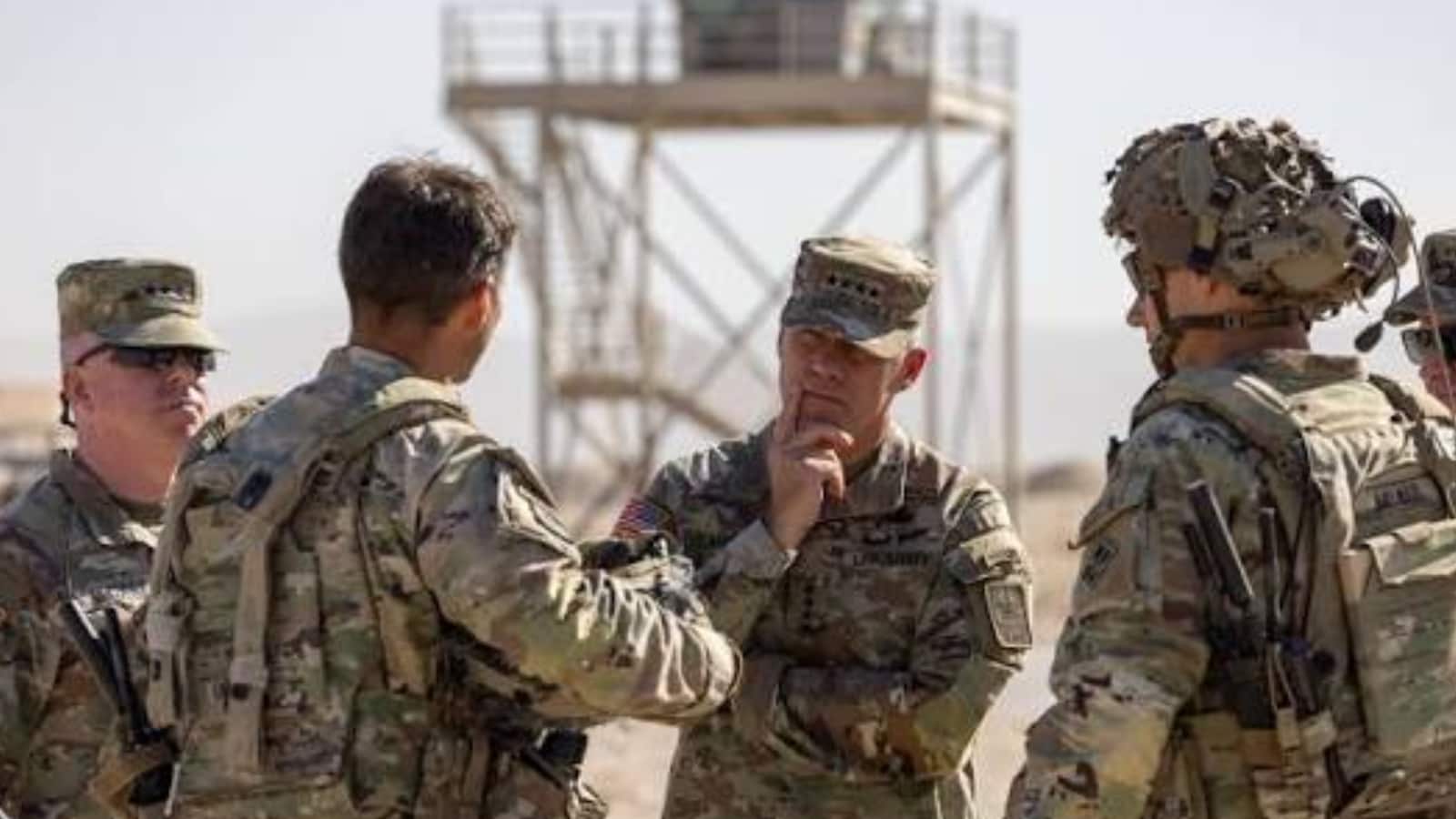
The article explains how governments and armies need to work together.
Elected leaders should decide what a country wants to achieve, while military professionals should explain how to do it.
In the United States, the author says frequent leadership changes may be hurting military learning and stability.
China keeps tight political control over its army, but many experienced commanders have reportedly been removed.
Pakistan has put more military power under one senior officer, which may help coordination but could increase the army’s political influence.
The author says India should avoid all of these problems.
India should guide defence planning while allowing military leaders to give honest professional advice.
The main lesson is that political control and military skill must be kept in balance.

The article argues that turmoil in the United States, China, and Pakistan exposes tensions between political control and military effectiveness.
It says Pete Hegseth’s removal of Army Chief of Staff Randy George followed a dispute over an unauthorized helicopter flypast and its proposed investigation.
The author argues that American leadership changes are disrupting experimentation, civilian-harm safeguards, and command continuity during an ongoing conflict.
China’s purge of senior People’s Liberation Army officers is described as weakening experience before a possible complex Taiwan operation.
Pakistan’s consolidation of military authority under Field Marshal Asim Munir is portrayed as operationally coherent but politically concerning.
- Who
- The article discusses political leaders and senior military commanders in the United States, China, Pakistan, and India, including Pete Hegseth, Randy George, Xi Jinping, and Asim Munir.
- What
- It examines how changes to civil-military relations can improve political control or coordination while weakening military expertise, experience, and institutional restraint.
- Where
- The developments discussed are in the United States, China, Pakistan, and India.
- When
- The discussion focuses on developments since 2022, including current American conflict-related deployments and recent leadership changes.
- Why
- The author argues that governments must align militaries with elected political objectives without undermining professional candour, operational effectiveness, or democratic limits.
Political Control and Integration
Professional Autonomy and Institutional Restraint
Role of political leadership
Political Control and Integration
Political leaders must set national objectives and direct military culture, defence development, and the building of military power.
Professional Autonomy and Institutional Restraint
Military leaders need enough professional space to provide candid advice about risks, feasibility, and the capabilities required to achieve political objectives.
Senior command changes
Political Control and Integration
Removing leaders seen as misaligned can reinforce political reliability and allow governments to reshape military culture or improve coordination.
Professional Autonomy and Institutional Restraint
Repeated removals can reduce command continuity, experience, institutional confidence, and willingness to offer independent professional judgments.
Centralizing military authority
Political Control and Integration
Combining military commands, as Pakistan has done, may help different operational domains function as one system.
Professional Autonomy and Institutional Restraint
Greater concentration of authority can strengthen an already powerful military institution and deepen civil-military imbalance.
Key facts
- Central framework
- The article uses Samuel Huntington’s Objective Civilian Control model, in which political leaders set national objectives and military leaders advise and execute lawful policy.
- United States leadership dispute
- The article says Randy George sought an investigation into possible safety violations after an unauthorized helicopter flypast over Kid Rock’s Tennessee home, while Pete Hegseth ordered the matter dropped and removed George soon afterward.
- American military changes
- The article says the United States has seen repeated senior military interventions and a decline in the number of serving four-star generals during wartime.
- China’s military purge
- More than 100 senior People’s Liberation Army officers have reportedly been removed or disappeared from public view since 2022.
- China’s leadership vacancies
- Of 52 key PLA leadership posts examined by the CSIS China Power Project, the article says only 11 were filled.
- Pakistan’s command structure
- The offices of Chief of Army Staff and Chief of Defence Forces have been combined under Field Marshal Asim Munir.
- India’s proposed approach
- The author recommends political direction of defence development alongside professional military neutrality, frank advice, greater jointness, and theatre commands based on India’s strategic needs.
Sources
Related news
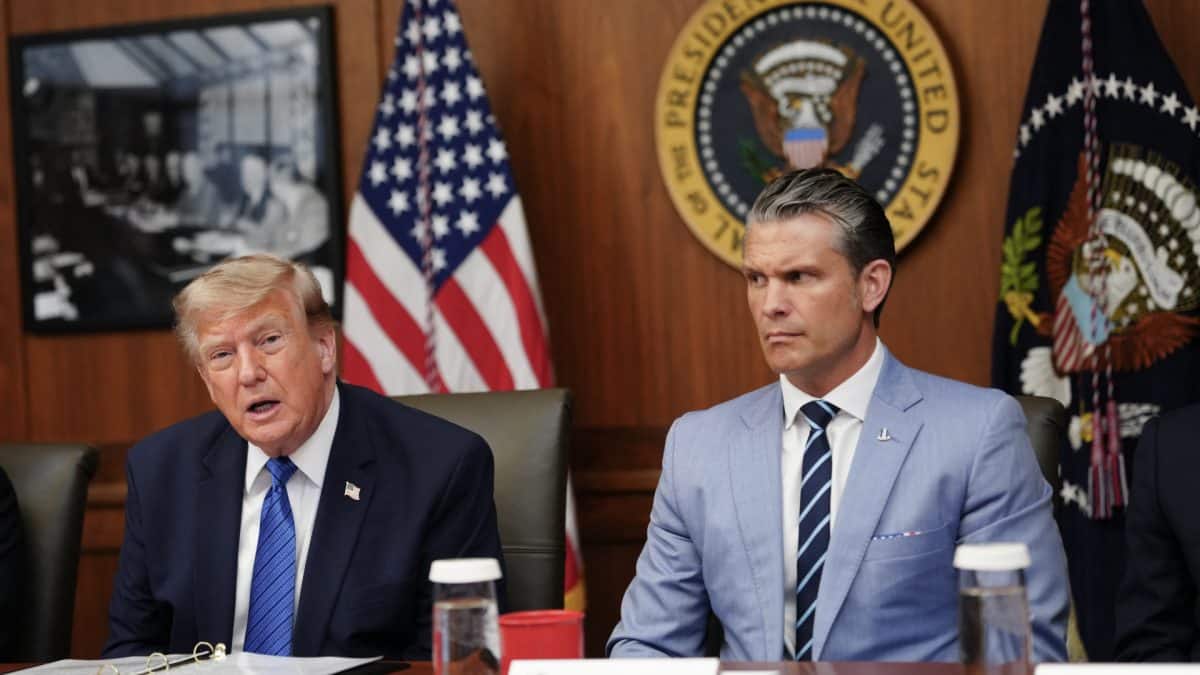
Pentagon Turmoil Deepens as Hegseth Tightens Grip on Military

US Army Leadership Vacuum Follows Hegseth’s Senior Officer Dismissals
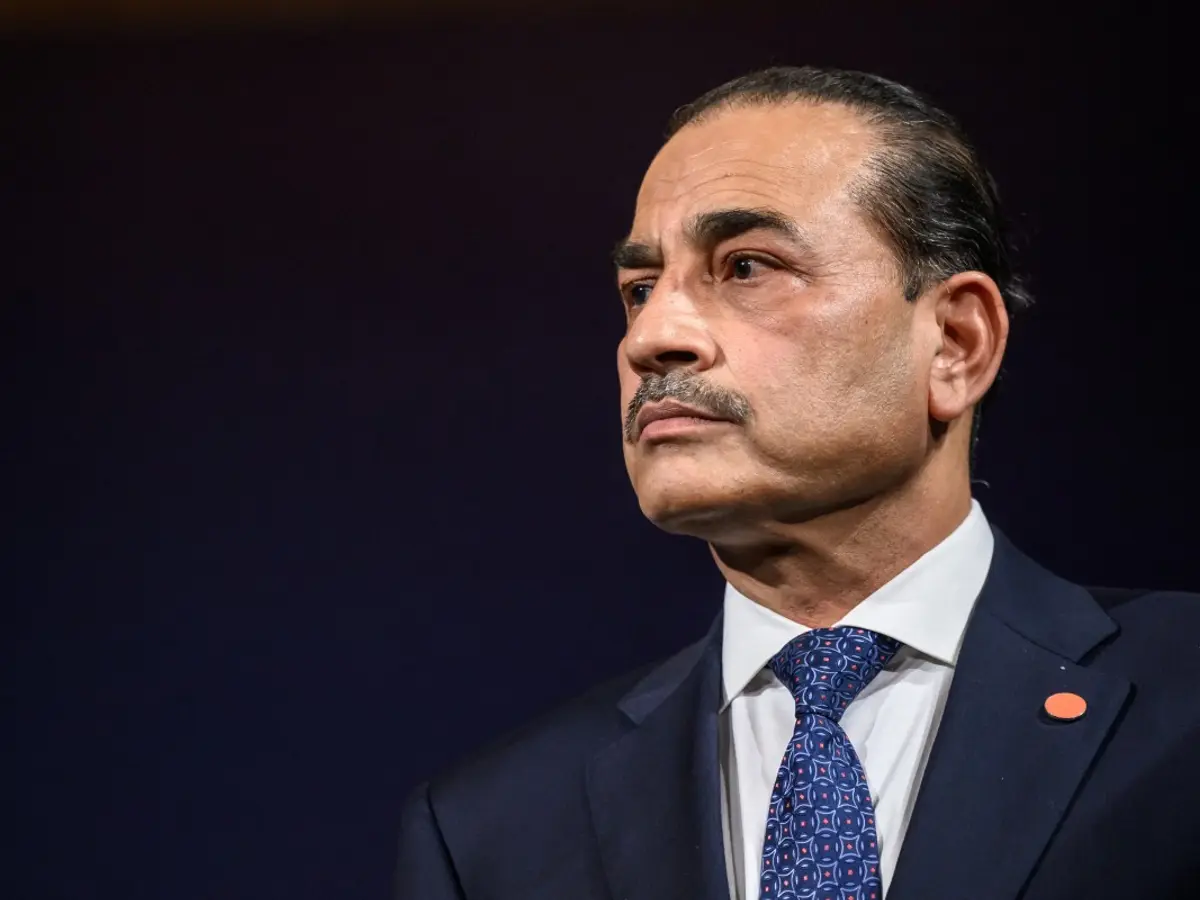
Pakistan Questions Asim Munir’s Expanding Military and Political Power
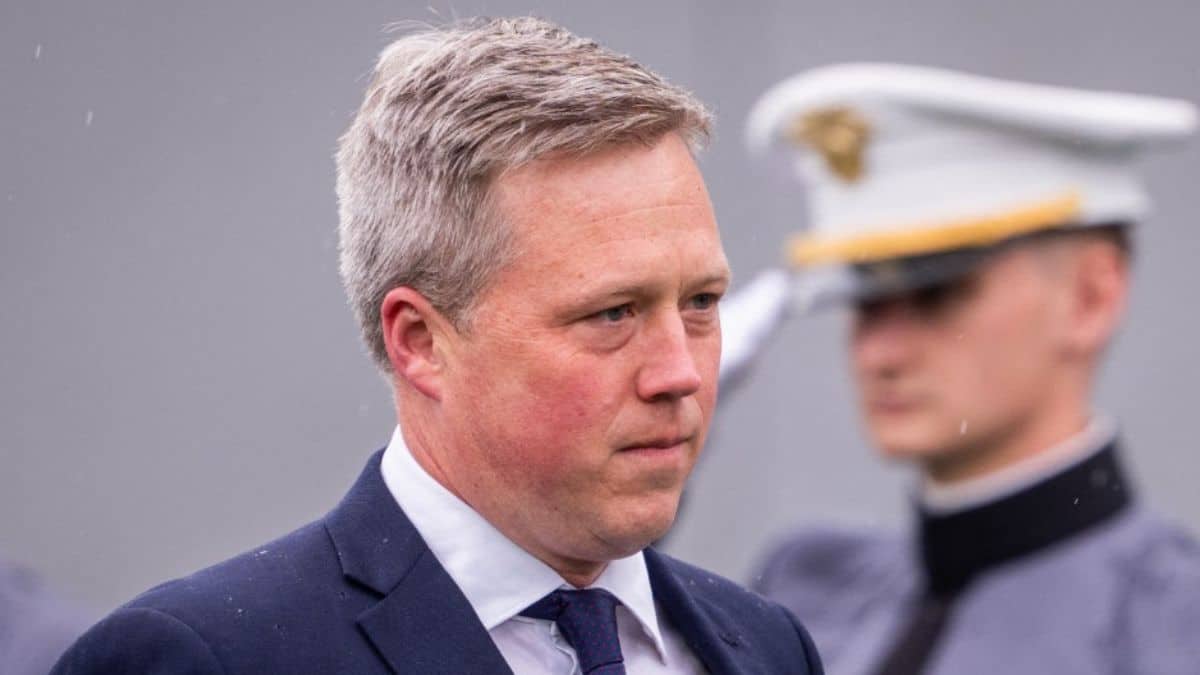
Dan Driscoll Expected to Leave Army Post Amid Hegseth Tensions
Army Secretary Dan Driscoll Resigns Amid Pentagon Leadership Turmoil
US Army removes Europe commander Costanza months before term end
