2 hrs ago
How Tim Cook Made Apple Bigger, Richer—and Boring
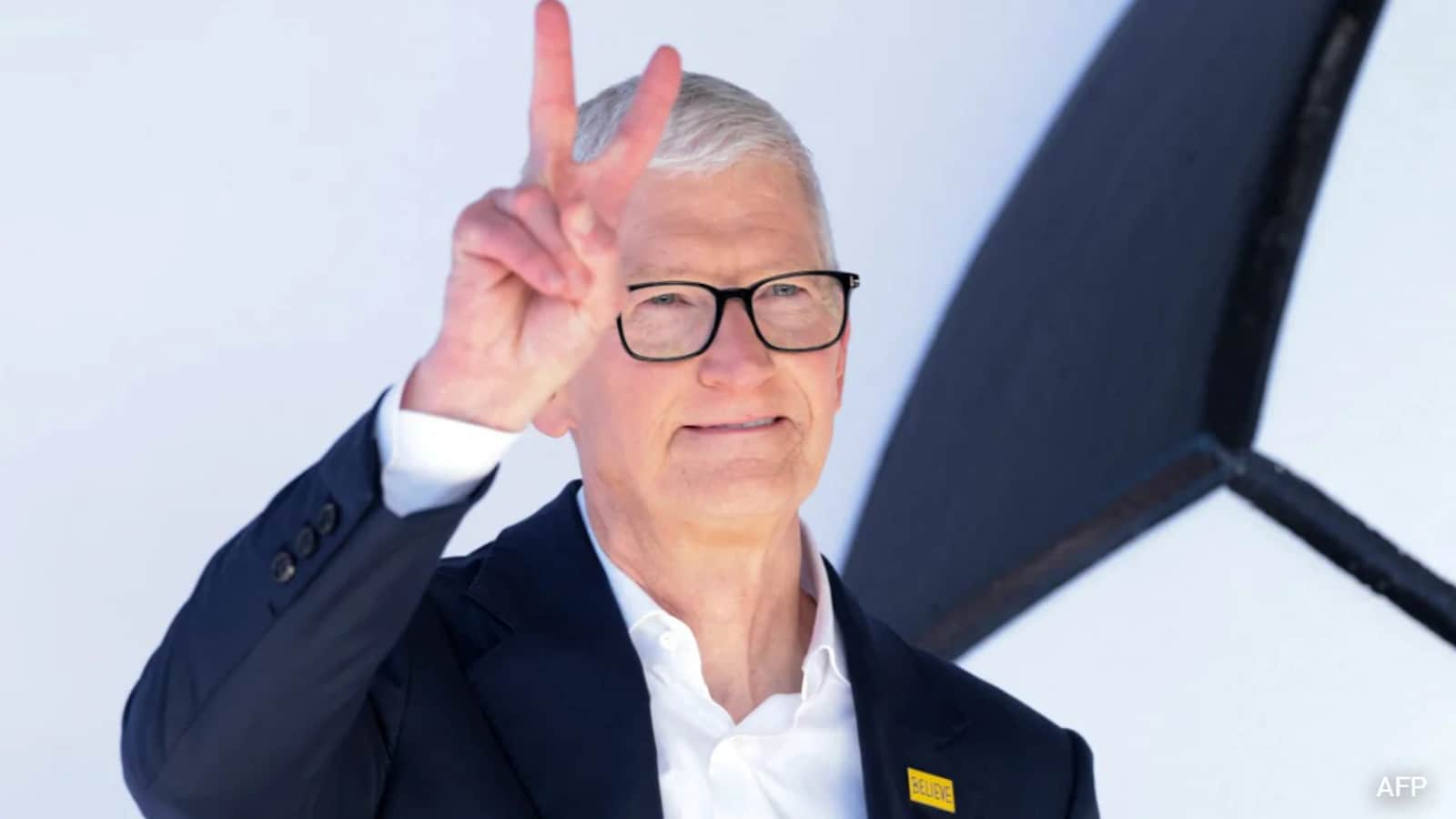
Tim Cook became Apple’s leader after Steve Jobs in 2011.
Jobs told him to do what was right instead of trying to copy him.
Cook made Apple’s launches and leadership less dramatic and more predictable.
However, Apple became much larger and richer under his leadership.
It sold more devices and added services such as music, storage, television and payments.
These services helped Apple earn money from people who already owned its products.
Cook also worked to control suppliers, technology and manufacturing.
Critics say Apple may have waited too long to respond to generative artificial intelligence.
The article argues that making Apple dependable and systematic was Cook’s major achievement.

Tim Cook succeeded Steve Jobs as Apple CEO in August 2011 and avoided imitating his theatrical leadership style.
Apple’s annual net sales rose from $108.2 billion in fiscal 2011 to $416.2 billion in fiscal 2025.
Cook expanded Apple from a device maker into an ecosystem spanning hardware, services, payments, media and cloud storage.
Apple Services generated $109.2 billion in fiscal 2025, with a 75.4% gross margin compared with 36.8% for products.
Critics argue Apple’s patience may have become delay, particularly as generative artificial intelligence becomes a major technological challenge.
- Who
- Tim Cook, Steve Jobs and Apple.
- What
- Tim Cook’s 15-year leadership of Apple transformed it from a company centered on breakthrough devices into a larger, more predictable ecosystem and services business.
- Where
- The changes involved Apple’s global ecosystem and supply chain, including manufacturing alternatives in India and Vietnam while remaining dependent on China.
- When
- Cook was chosen as CEO in August 2011; the article assesses his tenure through fiscal 2025 and January 2026.
- Why
- Cook aimed to build an institution that did not depend on Steve Jobs’s personality while increasing Apple’s scale, resilience and recurring revenue.
Case for Cook’s strategy
Critiques of Cook’s strategy
Innovation versus execution
Case for Cook’s strategy
Cook’s achievement was building systems, supply-chain control and an ecosystem that made Apple vastly bigger without relying on a single charismatic founder.
Critiques of Cook’s strategy
No Cook-era product is presented as having reshaped daily life as dramatically as the iPhone, and Apple became less associated with breakthrough innovation.
Patience in emerging technology
Case for Cook’s strategy
Apple’s late-mover strategy worked with products such as the Apple Watch and AirPods because the company entered existing markets with polished offerings.
Critiques of Cook’s strategy
Critics say the same patience may now look like delay, especially as generative artificial intelligence becomes a major challenge for Apple.
Global supply chain
Case for Cook’s strategy
Control over suppliers, components, manufacturing capacity and logistics made Apple more resilient, while alternatives were developed in India and Vietnam.
Critiques of Cook’s strategy
Apple’s supply-chain strength also left it deeply dependent on China, requiring Cook to navigate relations involving Washington and Beijing.
Key facts
- CEO succession
- Steve Jobs told Tim Cook in August 2011 that Cook would be Apple’s next CEO.
- Annual net sales
- Apple’s annual net sales increased from $108.2 billion in fiscal 2011 to $416.2 billion in fiscal 2025.
- Services revenue
- Apple Services generated $109.2 billion in fiscal 2025.
- Services margin
- Services had a 75.4% gross margin in fiscal 2025, compared with 36.8% for products.
- Workforce
- Apple’s full-time employees grew from about 60,400 in 2011 to about 166,000 in 2025.
- Installed base
- Apple surpassed 2.5 billion active devices by January 2026.
- Share buybacks
- Apple spent more than $90 billion a year buying back its stock by fiscal 2025.
Quotes

Steve Jobs
Apple co-founder and former CEO who advised Tim Cook during the 2011 succession.
“Just do what's right.”
 NDTV
NDTV
Sources
Related news
Tim Cook’s 15-Year Apple Legacy Beyond Steve Jobs

Tim Cook’s Apple Era Ends With Massive Growth and Challenges
Tim Cook’s Apple Journey Ends as CEO, Continues Chairman
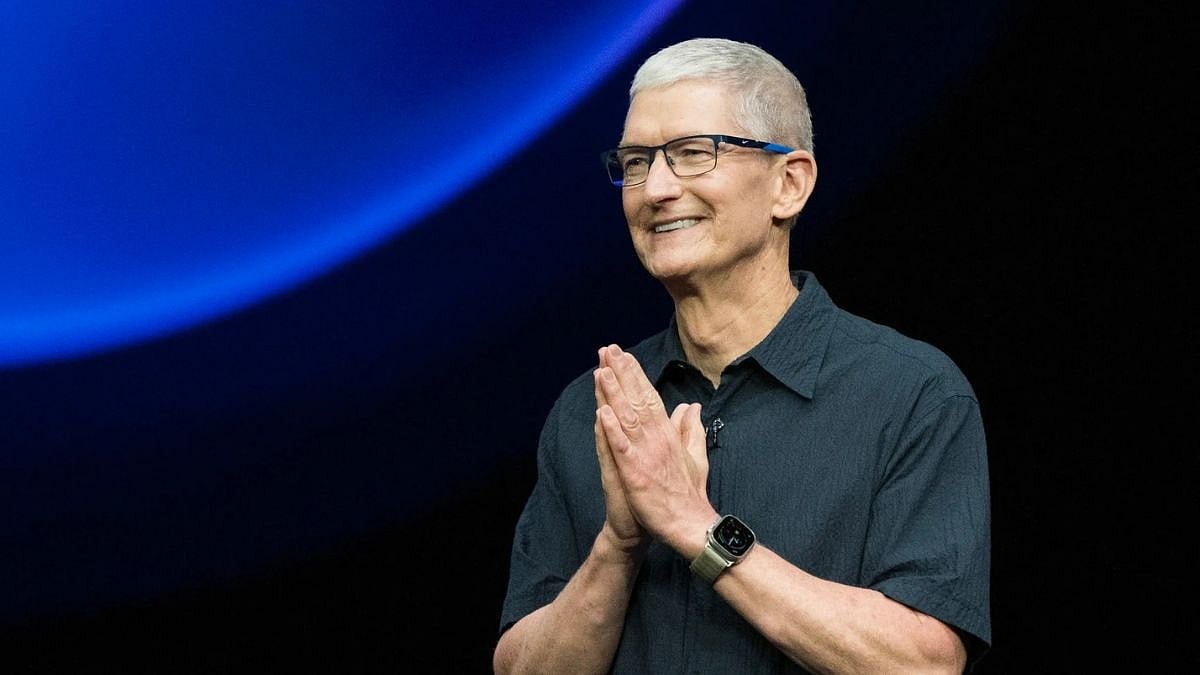
Tim Cook’s Apple Legacy: From $350 Billion To $4 Trillion
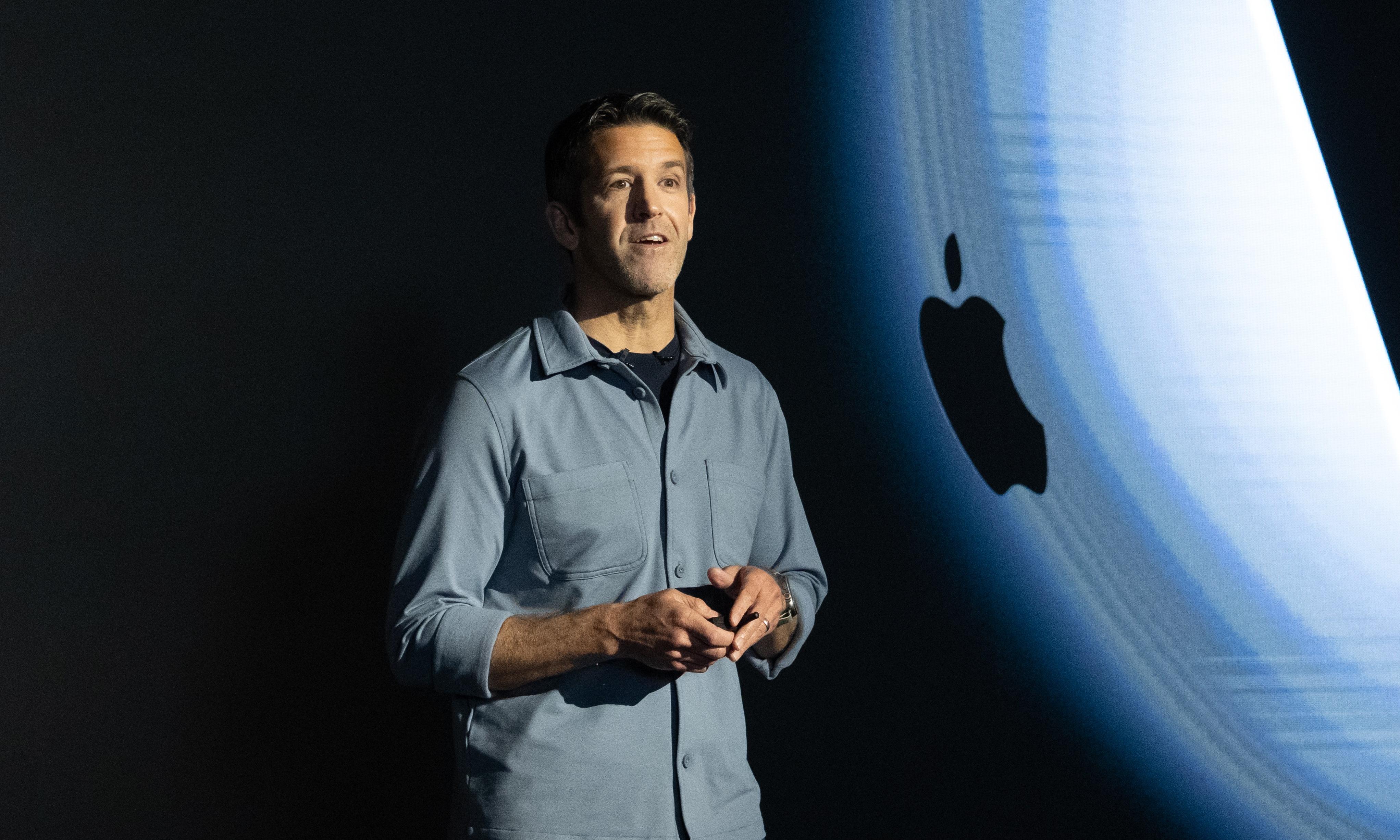
Tim Cook Hands Apple to John Ternus Amid AI Challenge
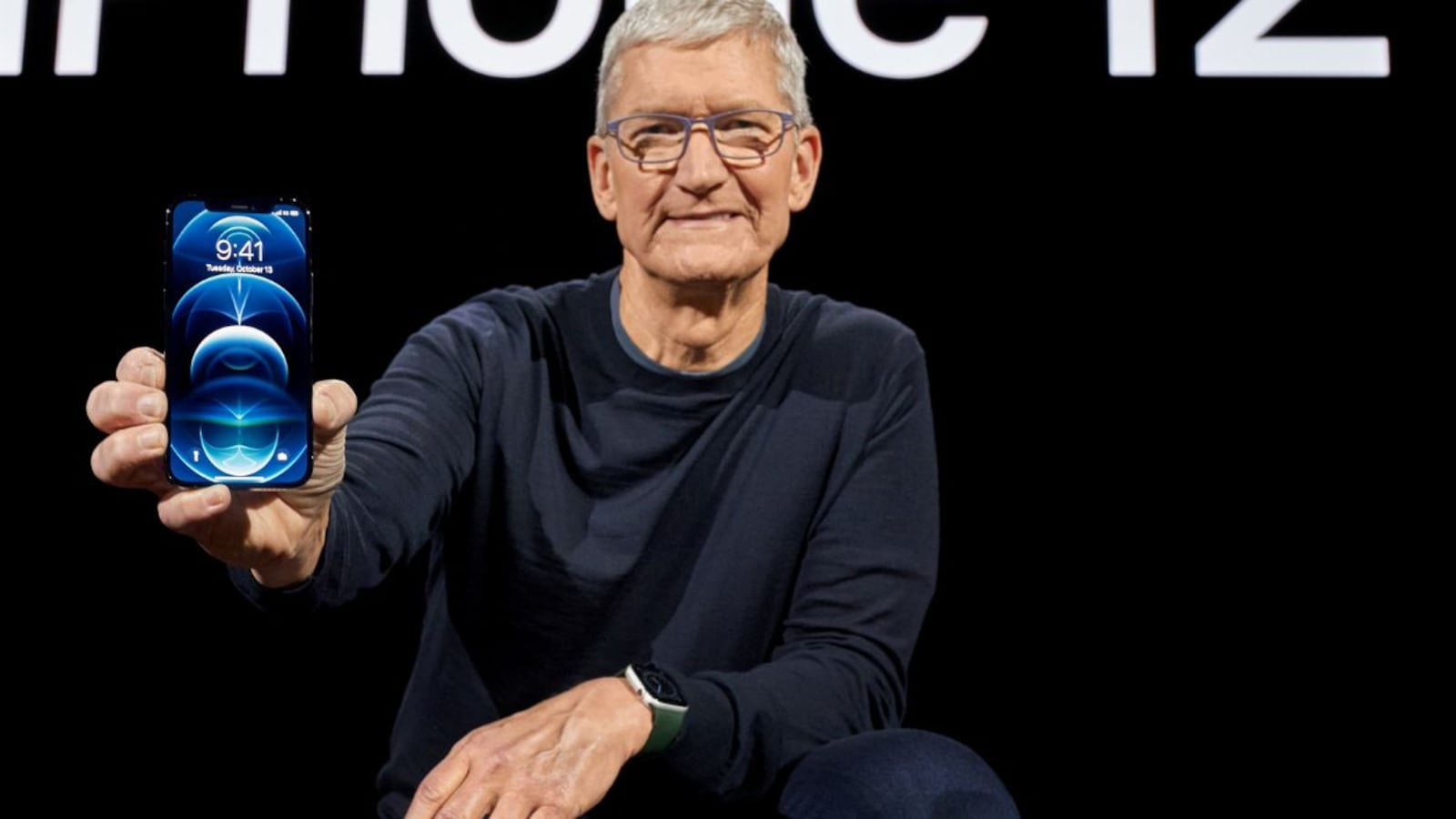
Tim Cook Ends Apple CEO Tenure; John Ternus Takes Over

US Trade Deficit Surges as AI Imports Reach Record

Nepal Flood Death Toll Tops 1,200; Compensation Debate Grows

114 Nepalese Nationals Return Home After China Border Evacuation

Xiaomi 18 Fold Set for September 7 China Launch