2 days ago
Tim Cook’s Apple Legacy: From $350 Billion To $4 Trillion
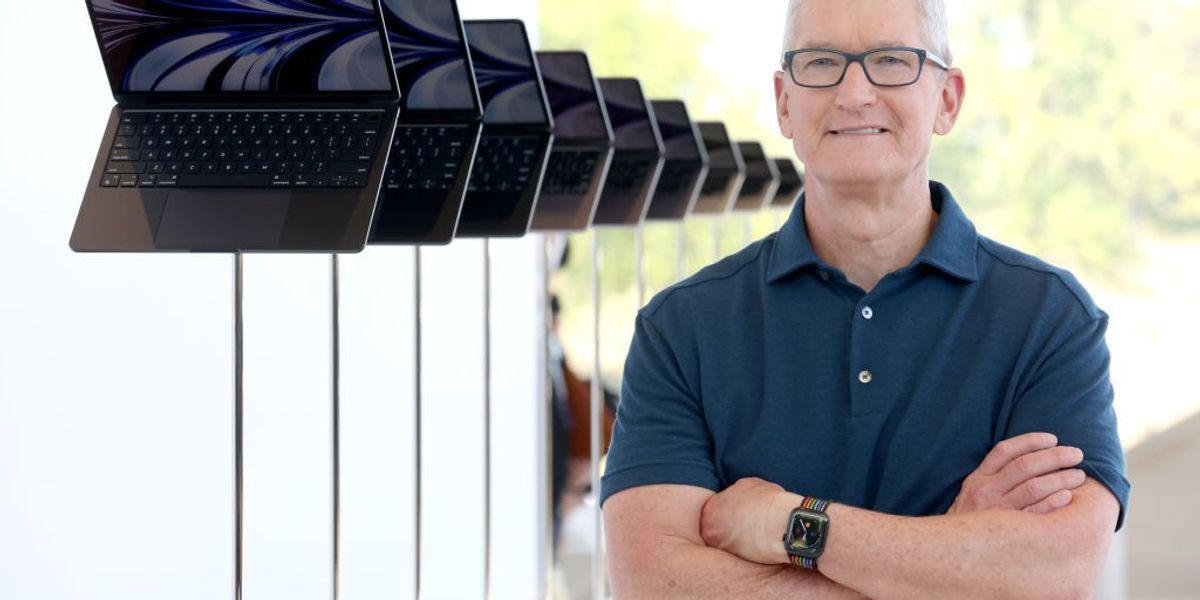
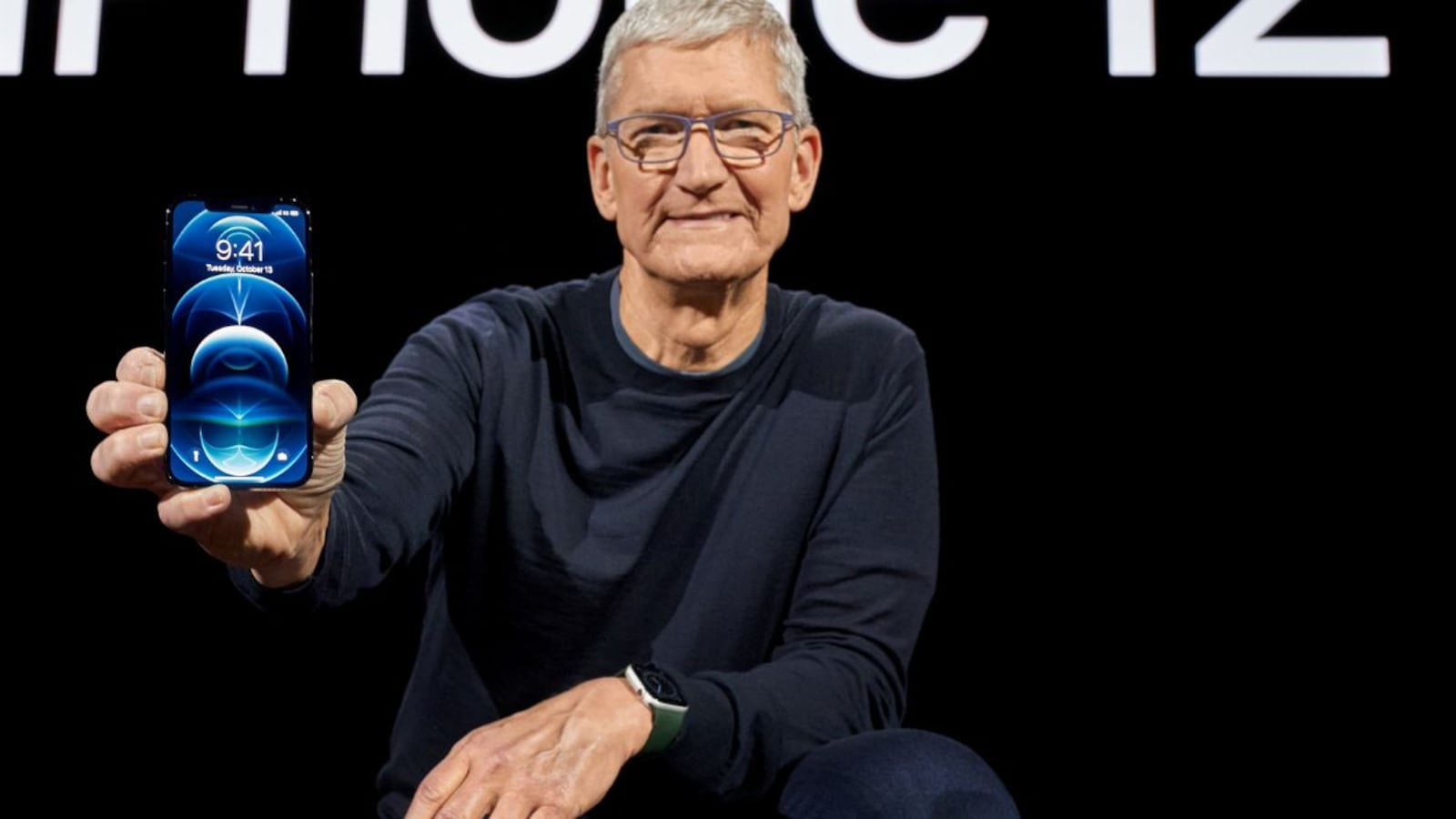
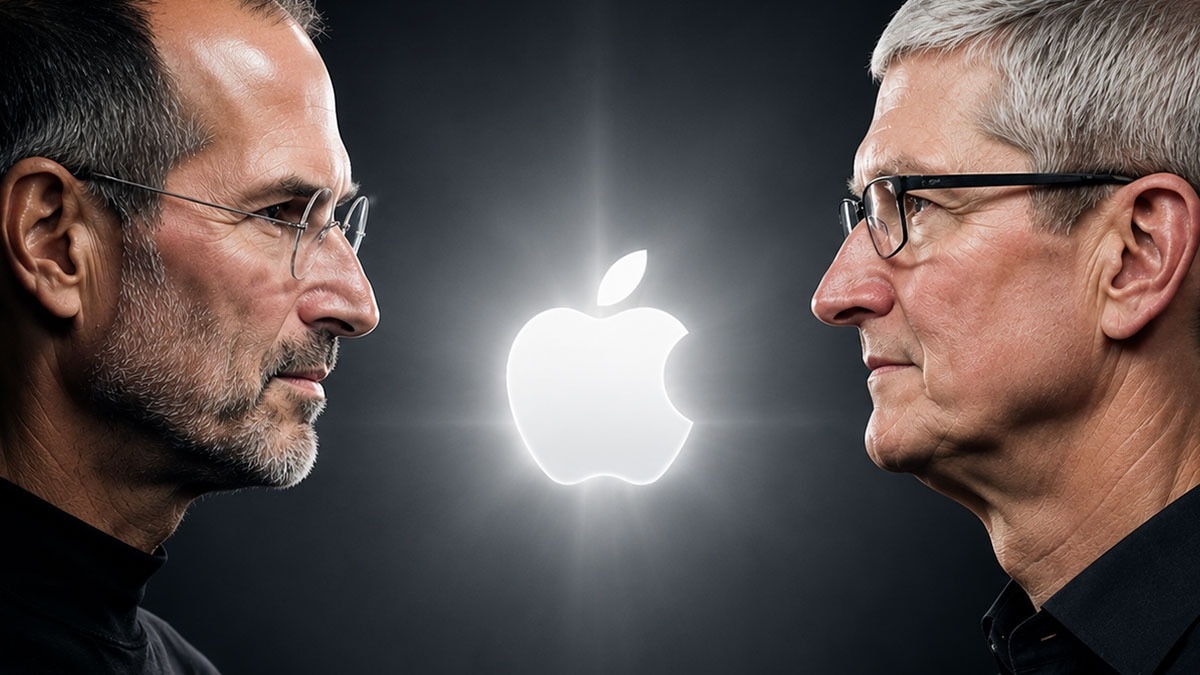
Tim Cook became Apple’s leader in August 2011 after Steve Jobs left because of worsening health.
Some people wondered whether Cook, who was known for operations and supply chains, could lead Apple like Jobs had.
Under Cook, Apple’s value grew from about $350 billion to around $4 trillion.
The company’s yearly revenue also rose from about $108 billion to more than $400 billion.
Apple made more money from services such as the App Store, Apple Music and Apple Pay.
It also created products such as Apple Watch and AirPods and began making its own Mac chips.
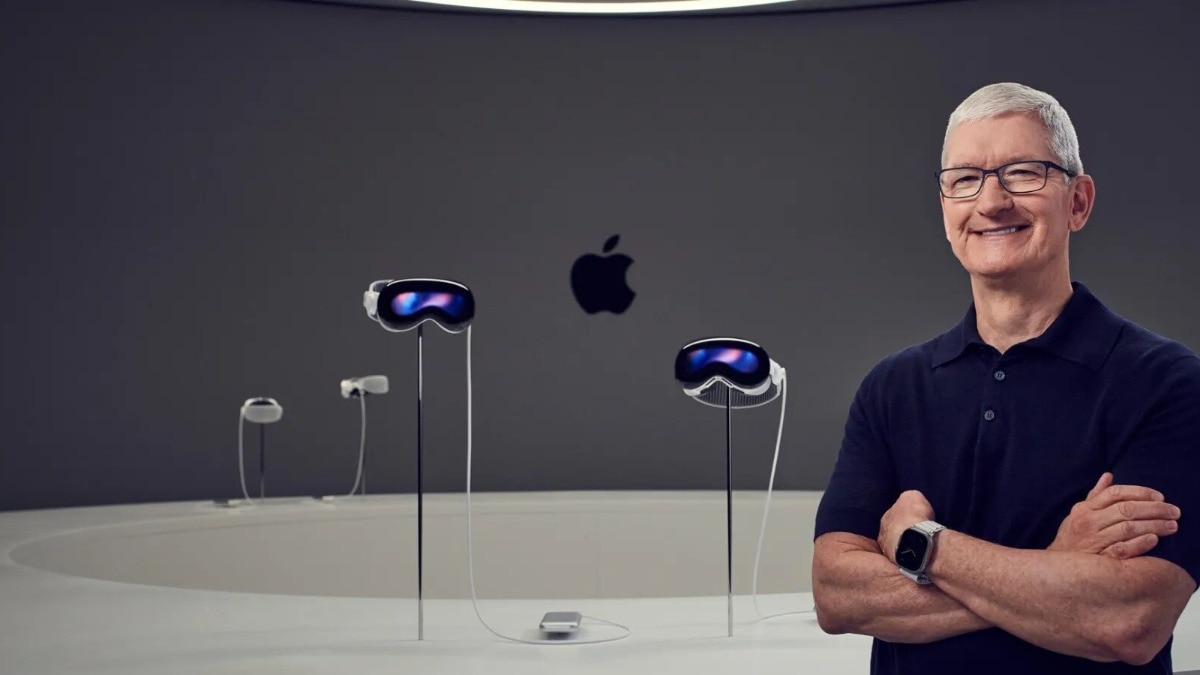
However, Apple Maps had early problems, Vision Pro struggled to attract broad interest, and its vehicle project was abandoned.
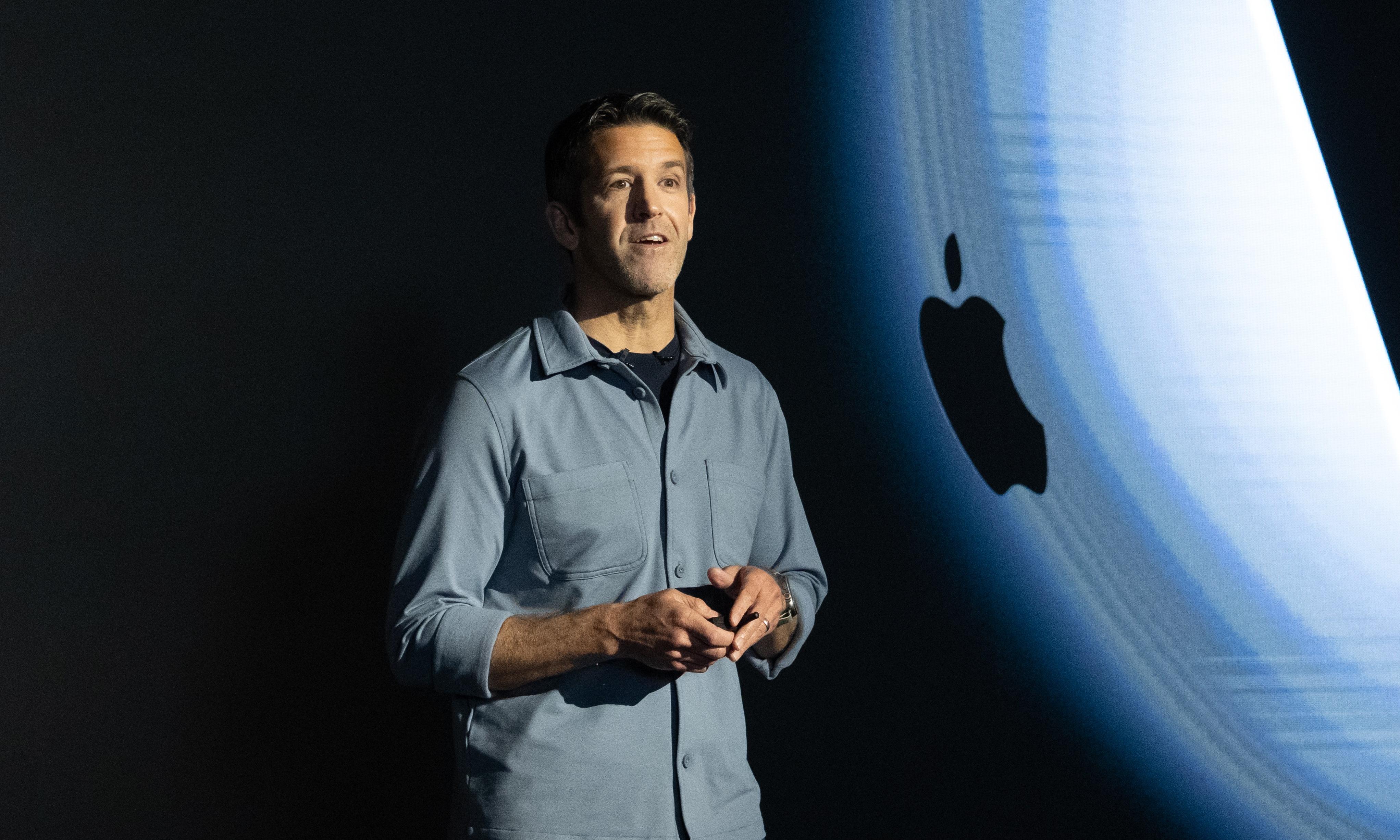
Apple has also moved more carefully on artificial intelligence than some competitors, creating a challenge for successor John Ternus.

Tim Cook became Apple’s chief executive in August 2011, succeeding Steve Jobs.
Apple’s market capitalization grew from roughly $350 billion to around $4 trillion during Cook’s tenure.
Apple’s annual revenue increased from about $108 billion in 2011 to more than $400 billion.
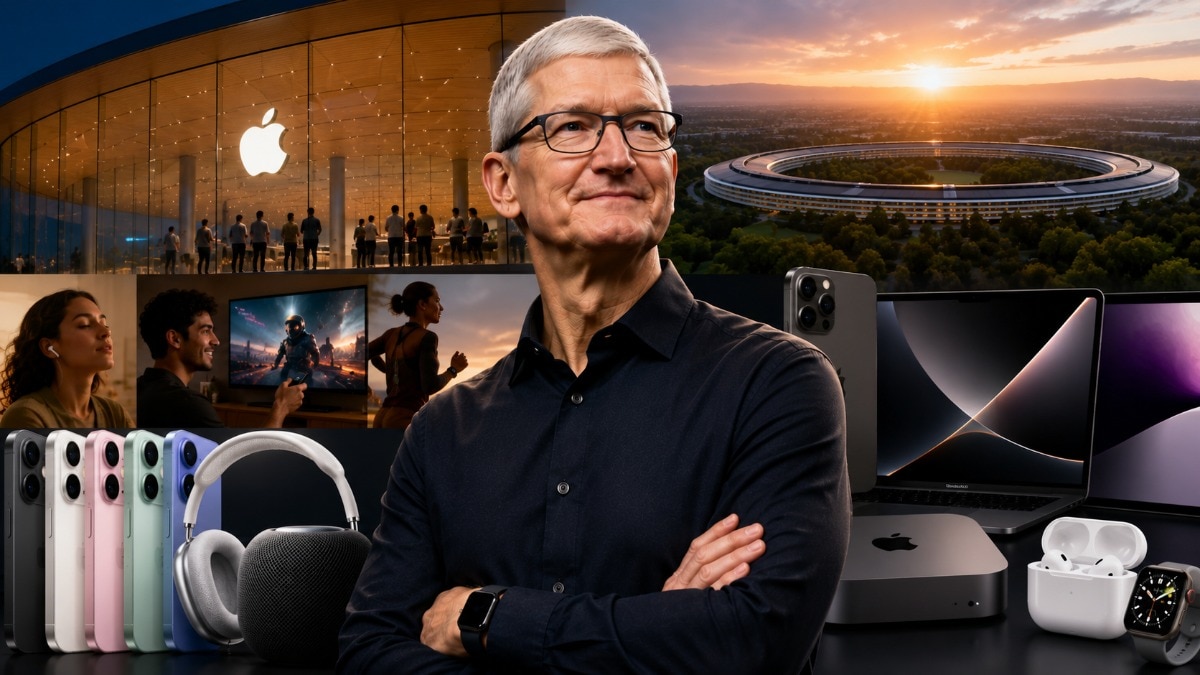
Cook expanded Apple beyond hardware through services, Apple Silicon, Apple Watch and AirPods.
Apple faced setbacks involving Apple Maps, Vision Pro, Project Titan and its measured artificial-intelligence strategy.
- Who
- Tim Cook, Apple, Steve Jobs and John Ternus.
- What
- A retrospective on Cook’s leadership of Apple, including its financial growth, new products, business expansion and setbacks.
- Where
- At Apple and across its global hardware, software and services businesses.
- When
- Cook became chief executive in August 2011; the article reviews the following 15 years.
- Why
- To assess Cook’s record and the challenges facing Apple’s next chapter, especially in artificial intelligence.
Growth and Strategic Expansion
Setbacks and Future Challenges
Cook’s leadership record
Growth and Strategic Expansion
Apple’s market value and revenue increased dramatically under Cook, while services, Apple Silicon, Apple Watch and AirPods expanded the company’s business.
Setbacks and Future Challenges
Critics can point to products and initiatives that failed to meet expectations, including early Apple Maps, Vision Pro and Project Titan.
Artificial-intelligence strategy
Growth and Strategic Expansion
Apple has emphasized privacy, software integration and on-device computing while making progress in adding AI features to its ecosystem.
Setbacks and Future Challenges
Microsoft, Google and OpenAI have moved more aggressively, leaving Apple under pressure to match rivals’ pace in a rapidly changing technology race.
The next chapter
Growth and Strategic Expansion
Apple’s scale, global business and broader services ecosystem provide a strong foundation for its future.
Setbacks and Future Challenges
John Ternus faces the challenge of sustaining growth and responding to concerns about Apple’s slower AI approach.
Key facts
- Leadership transition
- Tim Cook took over as Apple chief executive in August 2011 after Steve Jobs’ second departure.
- Market capitalization
- Apple’s market capitalization rose from roughly $350 billion to around $4 trillion.
- Share price
- Apple shares rose from about $13 to $319.70, a reported increase of 2,359.2%.
- Annual revenue
- Apple’s annual revenue increased from about $108 billion in 2011 to more than $400 billion.
- Services revenue
- Services including the App Store, Apple Music and Apple Pay generate more than $100 billion annually.
- New product categories
- Apple introduced Apple Watch in 2015 and AirPods in 2016.
- Major setbacks
- Apple Maps faced early criticism, Vision Pro struggled with adoption, and Project Titan was abandoned.
Sources
Related news

Tim Cook’s Apple Era Ends With Massive Growth and Challenges
Tim Cook’s 15-Year Apple Legacy Beyond Steve Jobs
Tim Cook Ends Apple CEO Tenure; John Ternus Takes Over
Apple’s Market Value Rose Under Cook, Then AI Concerns Emerged
Tim Cook’s Apple Journey Ends as CEO, Continues Chairman
Tim Cook Hands Apple to John Ternus Amid AI Challenge

Apple Sets $3 Million Salary, $55 Million Award for Ternus

John Ternus Teases Phenomenal September 9 Apple Launch
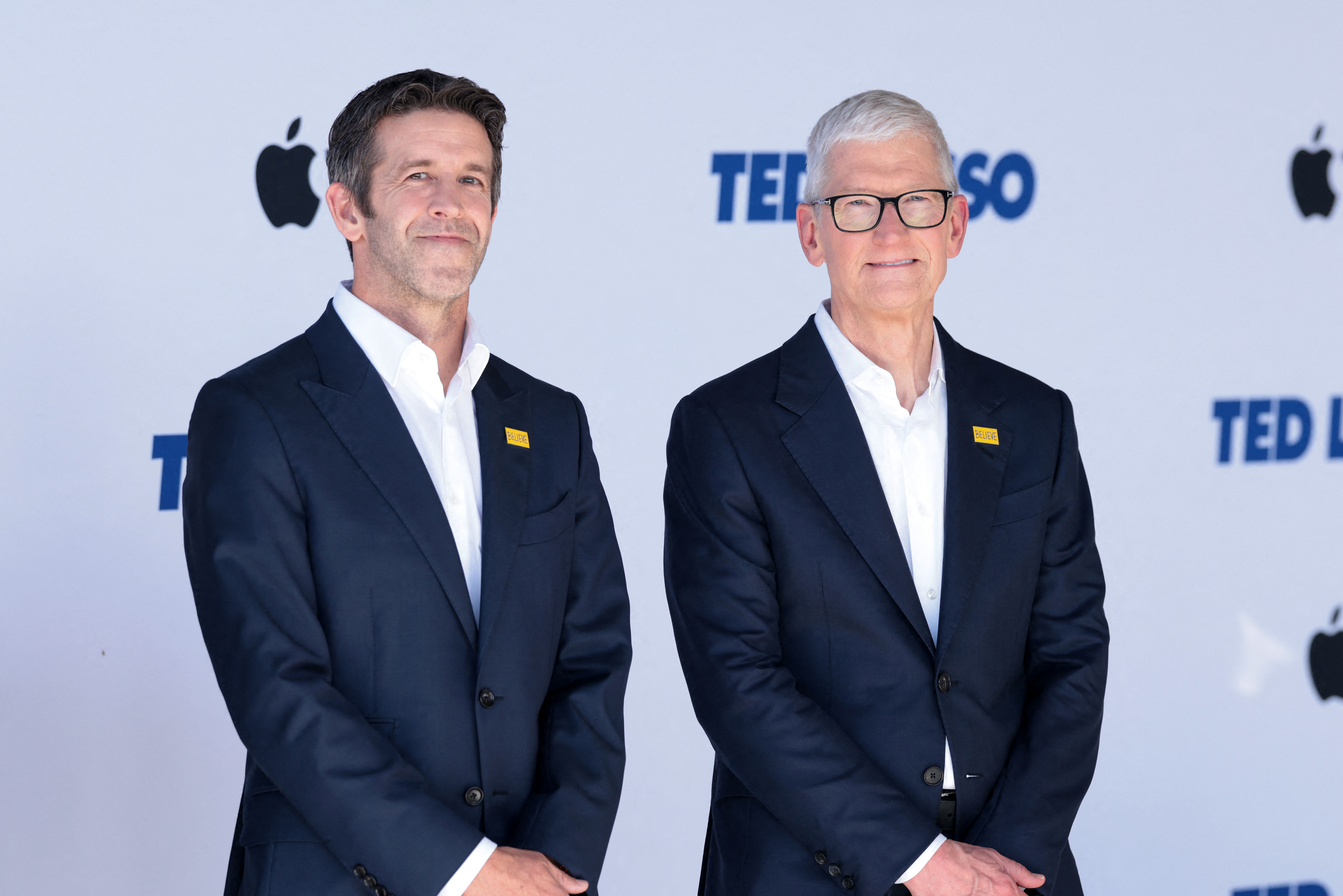
Apple Sets New CEO John Ternus and Tim Cook Pay
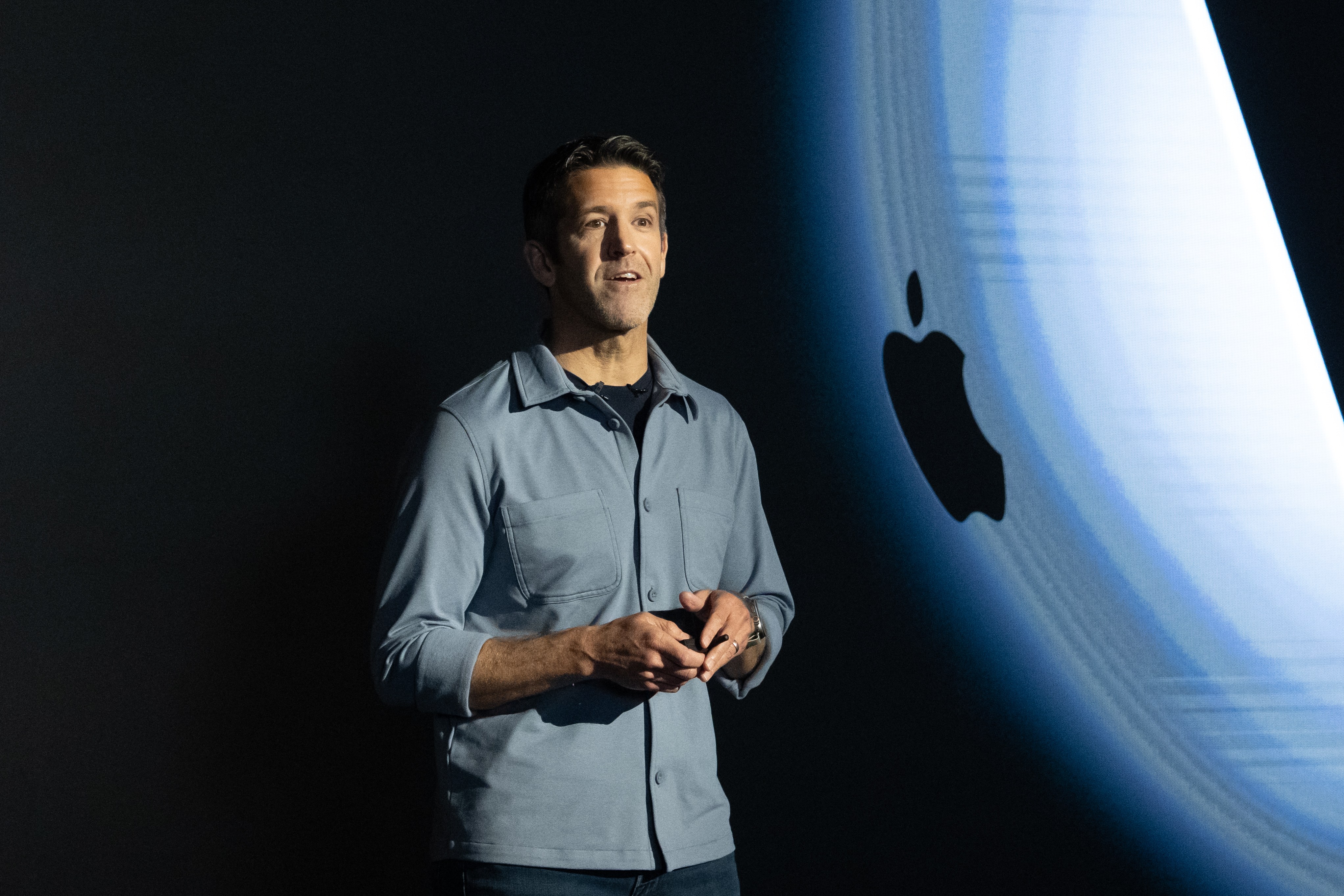
Ternus Takes Apple Helm, Promises Phenomenal iPhone Launch

Apple’s Value Soared Under Tim Cook, Challenges Ahead