2 days ago
Tim Cook’s Apple Era Ends With Massive Growth and Challenges

Tim Cook became Apple Inc.’s CEO in 2011 after Steve Jobs.
He is scheduled to leave that job on 1 September 2026 and become executive chairman.
John Ternus will run the company’s daily operations.
Under Cook, Apple Inc.
sold many more products and built a large services business.
Services include offerings such as iCloud, Apple Music, Apple Pay and the App Store.
Apple Inc.
also introduced products such as the Apple Watch, AirPods and Apple Vision Pro.
The company’s revenue, workforce, stores and number of active devices all grew substantially.
Its stock price and market value also increased greatly, though the articles give different estimates for the exact investment return.
Supporters praise Cook’s financial and operational success, while critics say Apple Inc.
needs more breakthrough innovation and less dependence on China.

Tim Cook will step down as Apple Inc. CEO on 1 September 2026 and become executive chairman, with John Ternus succeeding him.
Apple Inc. revenue grew from $108 billion in fiscal 2011 to more than $416 billion in fiscal 2025.
Apple Inc.’s split-adjusted share price rose from roughly $13.40–$13.74 in 2011 to about $319.70 in late August 2026, although sources give differing return calculations.
Apple Inc.’s market capitalization increased from approximately $350 billion to roughly $4.66–$4.67 trillion during Cook’s tenure.
Cook expanded Apple Inc.’s services, retail presence and device ecosystem, while critics cite limited breakthrough innovation and continued China exposure.
- Who
- Tim Cook is stepping down as Apple Inc. CEO; John Ternus will succeed him, and Steve Jobs was Cook’s predecessor.
- What
- Apple Inc. is changing CEOs after Cook’s nearly 15-year tenure, during which the company expanded its products, services, operations and financial value.
- Where
- The transition concerns Apple Inc., headquartered in Cupertino, California, with operations and stores worldwide.
- When
- Cook will leave the CEO role on 1 September 2026; his final day as CEO is stated as 31 August 2026.
- Why
- The change follows Apple Inc.’s board-approved, long-term succession-planning process.
Critics
Supporters
Innovation under Cook
Critics
Critics argue Apple Inc. underinvested in breakthrough innovation and that Cook’s hardware legacy was less transformative than Steve Jobs’s.
Supporters
Supporters point to new categories including Apple Watch and AirPods, the growth of services, Apple Silicon and continued expansion of existing product lines.
China and supply-chain exposure
Critics
Critics argue Apple Inc. became too dependent on China, with a previous supplier list indicating that approximately 90% of suppliers were at least partly located in China or Taiwan.
Supporters
Cook’s operating model enabled Apple Inc. to manufacture hundreds of millions of devices while maintaining margins, and he promoted production diversification while preserving ties with China.
Measuring investment performance
Critics
One cited Financial Times estimate says Apple Inc.’s stock has more than tripled since Cook’s arrival, which is lower than other estimates in the articles.
Supporters
Other estimates, using split-adjusted prices and different start or end points, calculate gains of roughly 1,900% to more than 2,700%, with a $10,000 investment growing to well above $200,000.
Key facts
- CEO transition
- Tim Cook will become executive chairman on 1 September 2026, while John Ternus becomes CEO.
- Revenue
- Apple Inc.’s revenue rose from $108 billion in fiscal 2011 to more than $416 billion in fiscal 2025.
- Share price
- The split-adjusted share price rose from approximately $13.40–$13.74 in 2011 to about $319.70 in late August 2026.
- Market capitalization
- Apple Inc.’s market value increased from roughly $350 billion in 2011 to approximately $4.66–$4.67 trillion.
- Device ecosystem
- Apple Inc. says more than 2.5 billion of its devices are active worldwide.
- Workforce and retail
- The company grew from an estimated 60,000 workers in 2011 to an estimated 166,000 and operates more than 500 stores.
- Shareholder returns
- The articles say Apple Inc. returned more than $1 trillion to shareholders through buybacks and dividends, while estimates for a $10,000 investment range from roughly $200,000 to $270,000 or about $238,000.
Sources

Related news
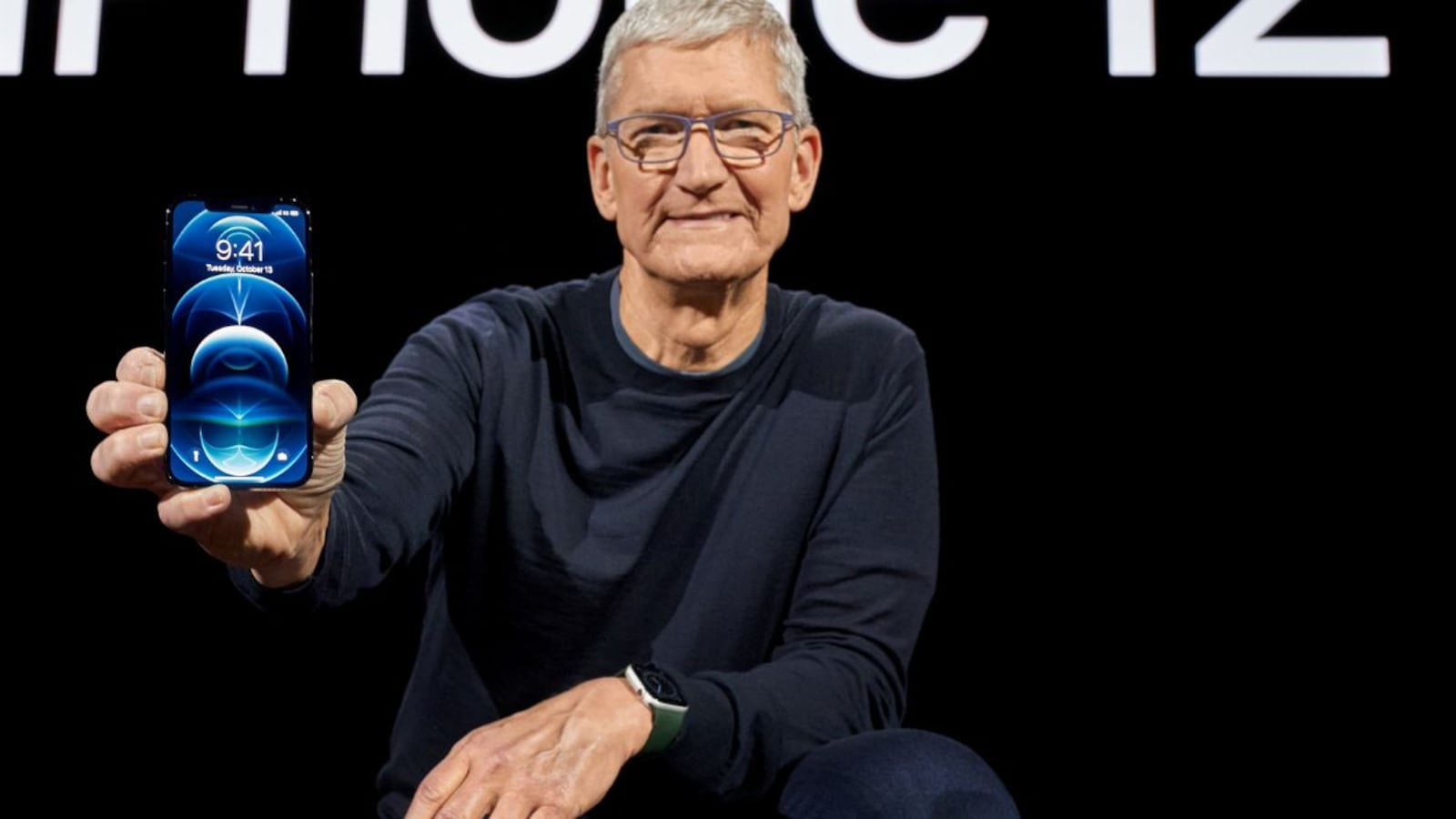
Tim Cook Ends Apple CEO Tenure; John Ternus Takes Over
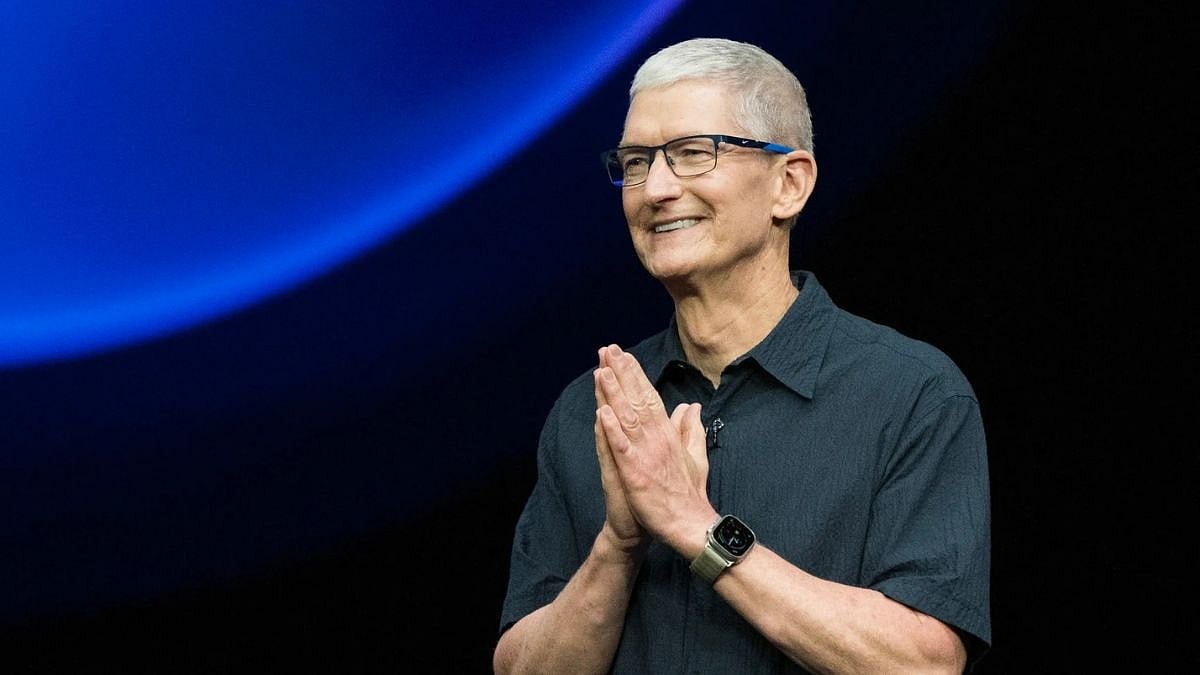
Tim Cook’s Apple Legacy: From $350 Billion To $4 Trillion
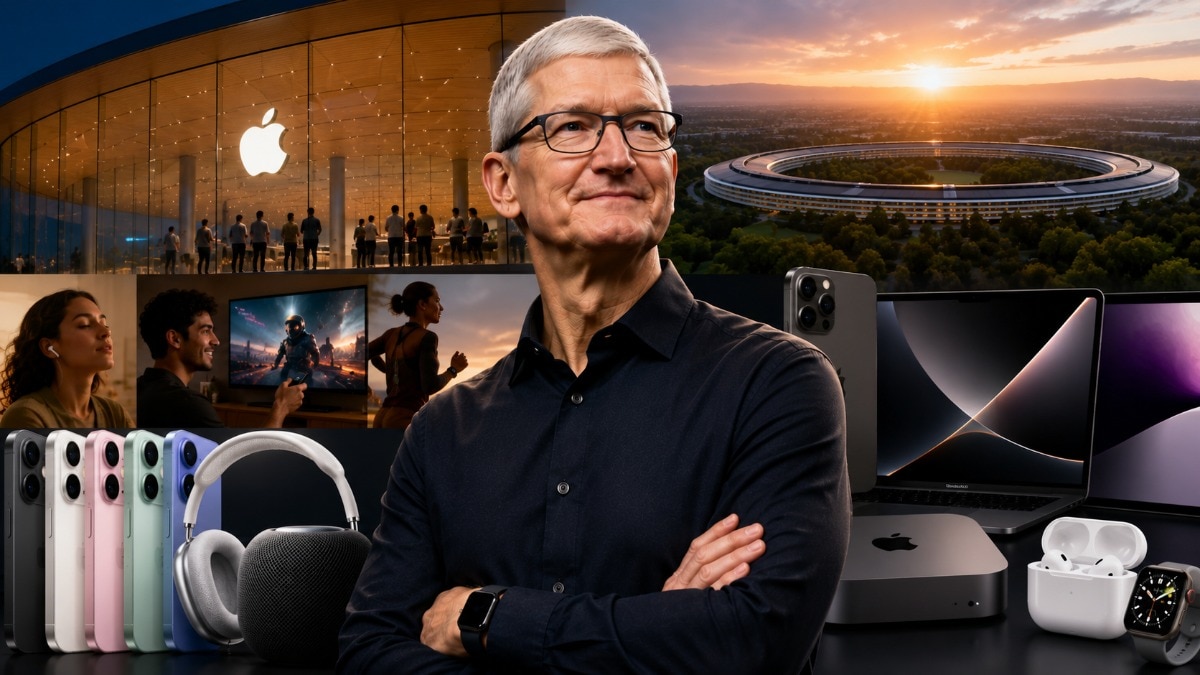
Tim Cook’s 15-Year Apple Legacy Beyond Steve Jobs
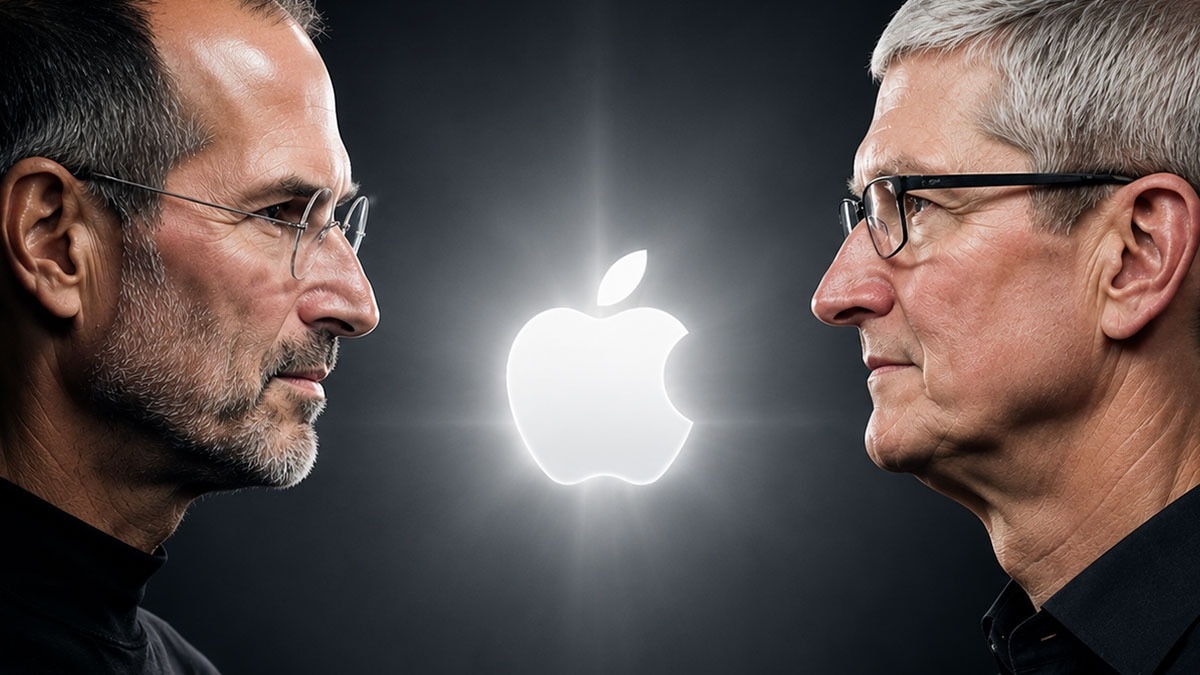
Tim Cook’s Apple Journey Ends as CEO, Continues Chairman
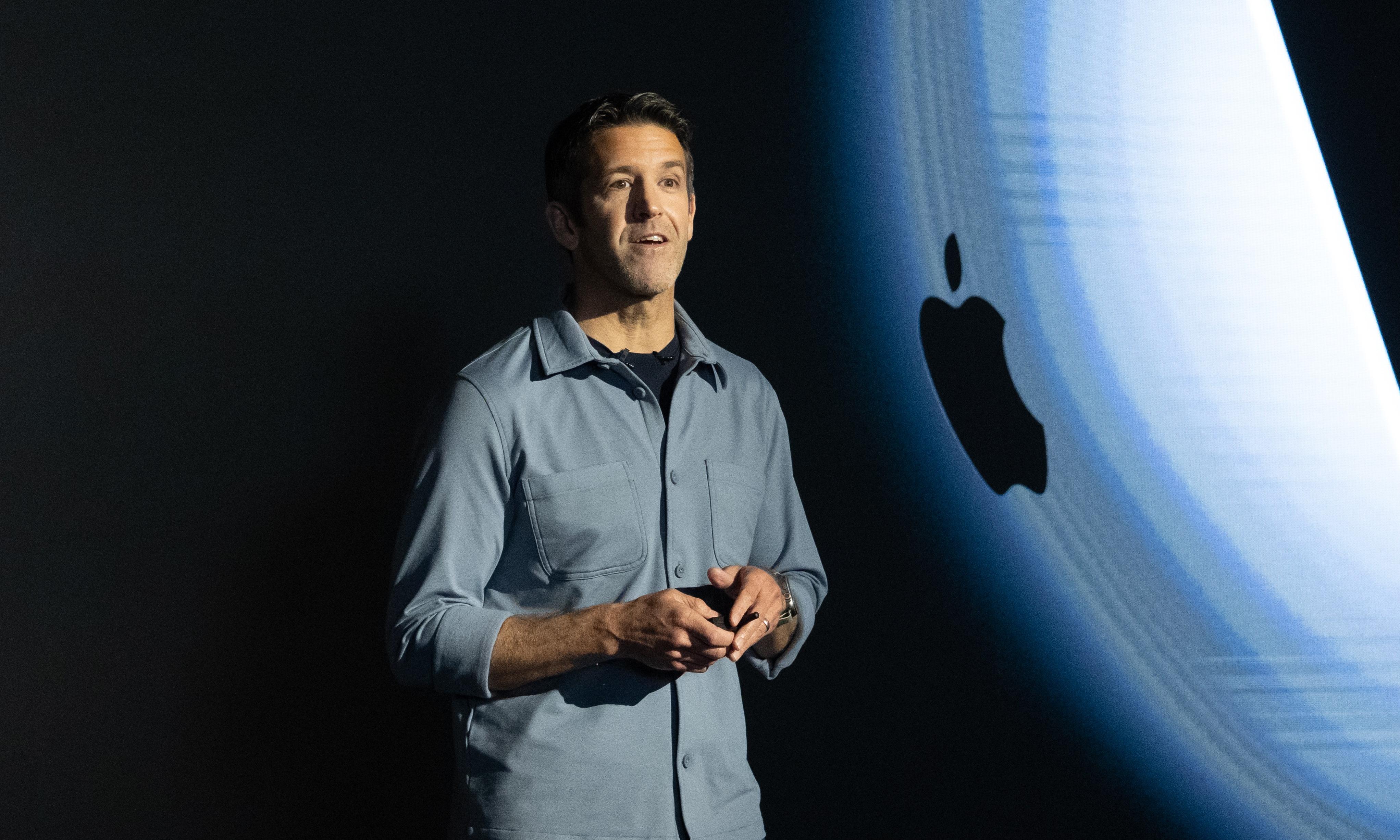
Tim Cook Hands Apple to John Ternus Amid AI Challenge

Why India Must Conserve Forex Despite Strong GDP Growth

CM Vijay Plans Britain Tour to Attract Tamil Nadu Investment

US and Australia Commit $580 Million for Pacific Islands

Tamil Nadu CM Vijay Plans UK Investment Outreach
Minoo Masani’s Vision for an Anti-Communist Asian Alliance