2 weeks ago
India's government jobs shrink even as millions of youth chase them
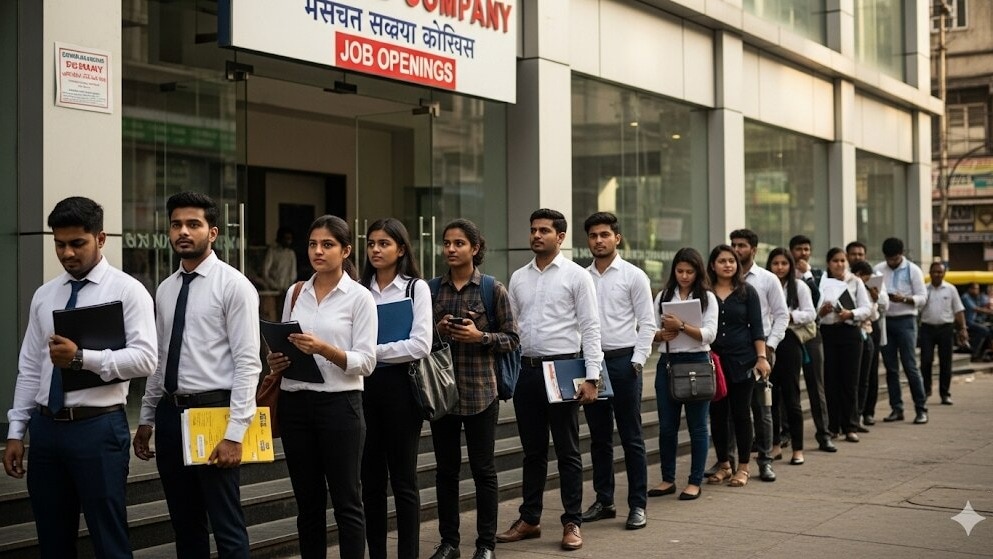
Many young people in India want government jobs because they are secure.
But there are fewer and fewer of these jobs.
The government has cut the number of jobs it allows.
Many approved jobs are also empty and not filled.
In 2024, about one in five government jobs was vacant.
The government says it cannot hire more permanent workers because it costs too much.
Pay and pensions make the wage bill very high.
So the government hires contract workers instead.
More than a million people were hired this way in one year.
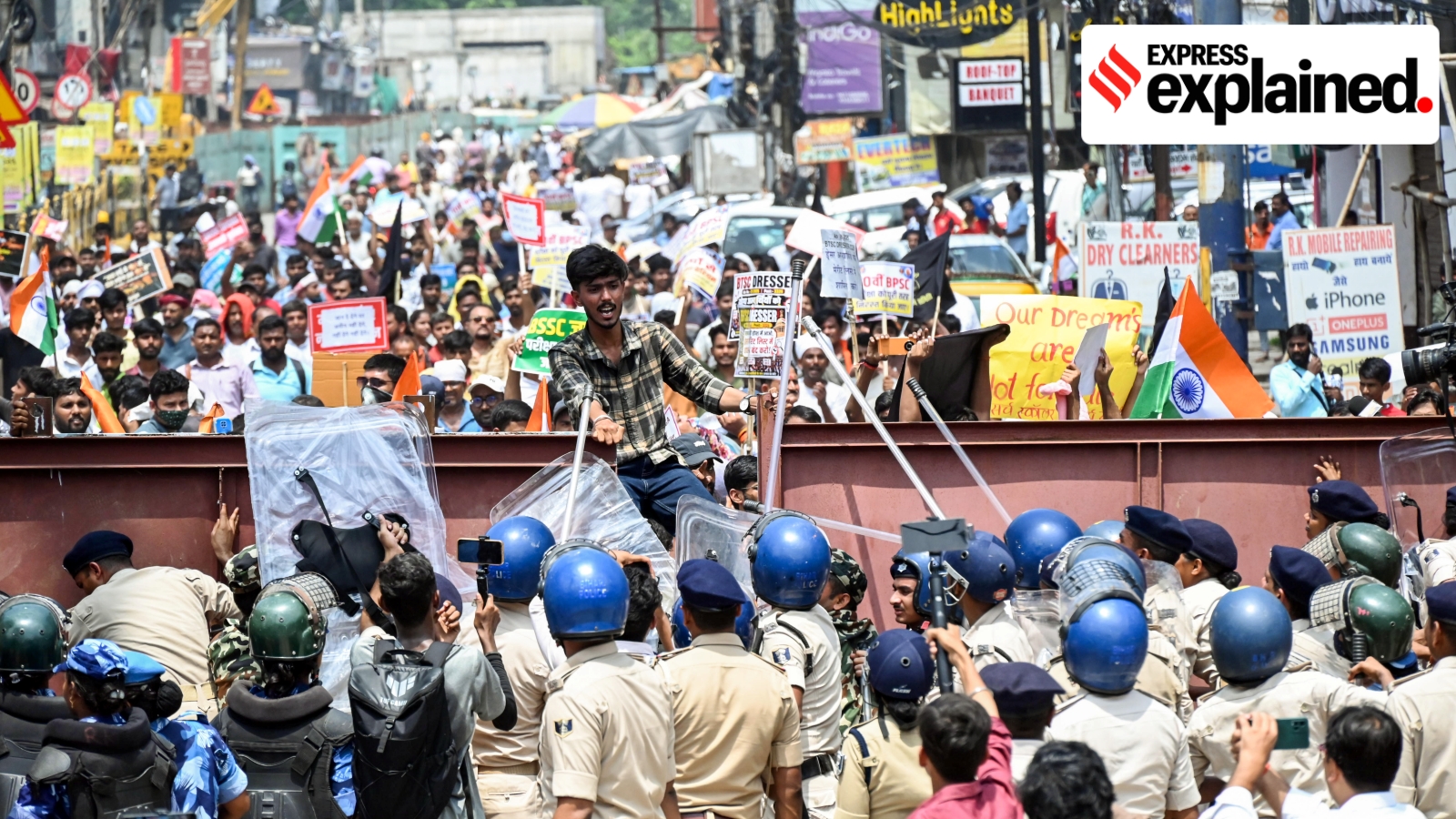
Young people in Jharkhand protested because recruitment takes too long.

Central government sanctioned posts fell from 40,77,687 in 2020 to 40,03,140 by March 2024.
Nearly 8.5 lakh central government posts were vacant by March 2024, about one in five sanctioned posts.
Government jobs account for about 4% of India's total employment, roughly 25 million of a 610 million workforce.
The government increasingly relies on contract workers, with over a million people hired through GeM in FY25.
Student protests in Jharkhand highlight frustration over recruitment delays, with state cycles taking 3-4 years.
- Who
- Indian youth seeking government jobs, economists Jean Dreze and Santosh Mehrotra, and Labour Minister Mansukh Mandavia
- What
- The number of government jobs is shrinking while vacancies and reliance on contractual labour rise
- Where
- India, particularly Jharkhand
- When
- Data through March 2024 and FY25, with student protests ongoing
- Why
- Rising wage bills from Pay Commission payouts and pensions, plus a stagnant tax-to-GDP ratio, constrain government hiring
Critics of shrinking public sector
Government's fiscal constraints
Public sector size
Critics of shrinking public sector
India's public sector is not bloated; it needs more public jobs, with severe shortages like 40% of Jharkhand primary schools operating with a single teacher.
Government's fiscal constraints
Governments are constrained from hiring permanent staff because Pay Commission payouts, pensions and wage bills raise costs, so they prefer contractual workers.
Contractual hiring
Critics of shrinking public sector
Growing reliance on contract and outsourced workers reflects shrinking secure government jobs and frustrates educated youth.
Government's fiscal constraints
Contractual and outsourced employees are engaged based on administrative and operational requirements, and the government has been wary of acknowledging the rise in such hiring.
Key facts
- Total Indian workforce (2024)
- About 610 million
- Government jobs share
- About 4% of total employment (~25 million jobs)
- Central sanctioned posts (2020)
- 40,77,687
- Central sanctioned posts (March 2024)
- 40,03,140
- Vacant central posts (March 2024)
- About 8.5 lakh (21.1% of sanctioned posts)
- Central government headcount (March 2025)
- 33,02,539
- GeM contract hires (FY25)
- Over 1 million
- Central pay and allowances expenditure (2023-24)
- Rs 2.96 lakh crore
Quotes
Santosh Mehrotra
Former JNU economics professor and commentator
“"There are many reasons for manpower shortages. Mostly, governments are constrained in hiring permanent staff because Pay Commission payouts, pensions etc raise the wage bill."”
 businesstoday.in
“"The share of contracted workers in Central Public Sector Enterprises has risen from about one in six to nearly fifty percent in FY26."”
businesstoday.in
Mansukh Mandavia
Labour Minister of India
“"Contractual and outsourced employees are engaged by ministries/departments and PSUs based on their administrative and operational requirements."”
businesstoday.in
Sources
Related news
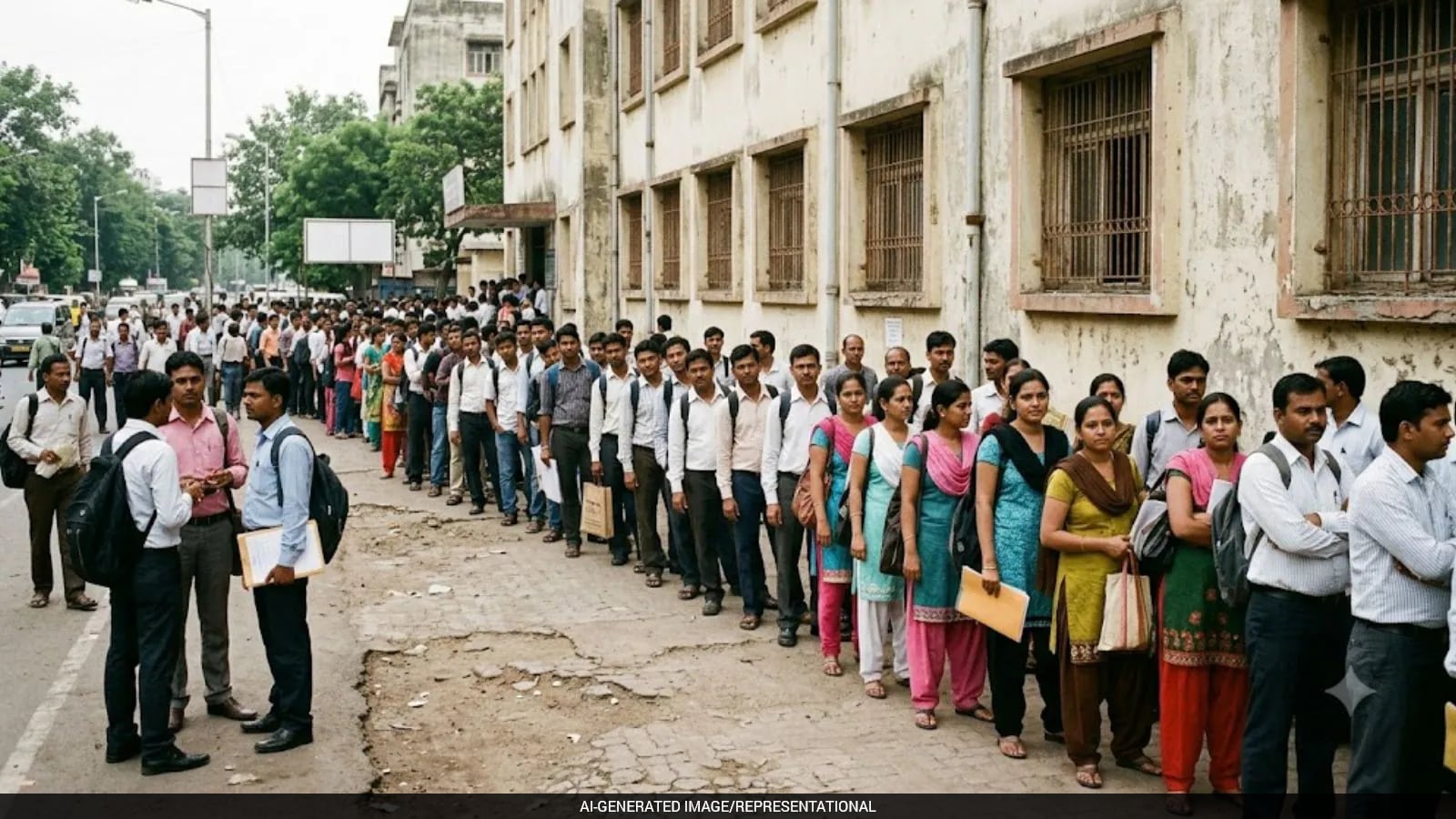
RTI Reveals 8.23 Lakh Vacancies Across Central Government
India’s Government Jobs Draw Crores, But Few Are Selected

Congress Alleges Modi Government Plan To End Reservations Amid Vacancies
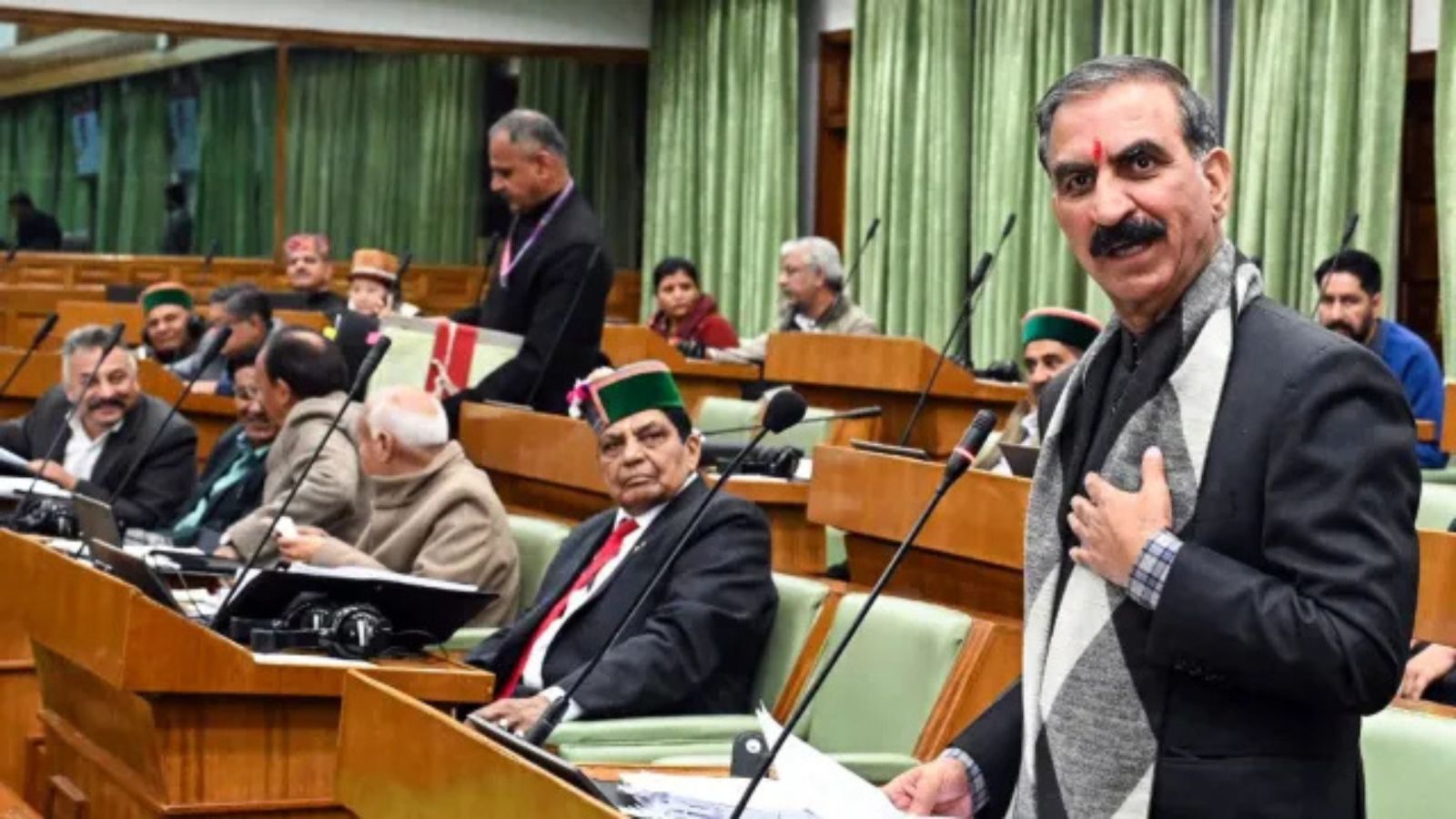
Himachal CM Sukhu Says Government Jobs Cannot Reach Everyone

UP CM Announces One Lakh Government Appointments Within Six Months
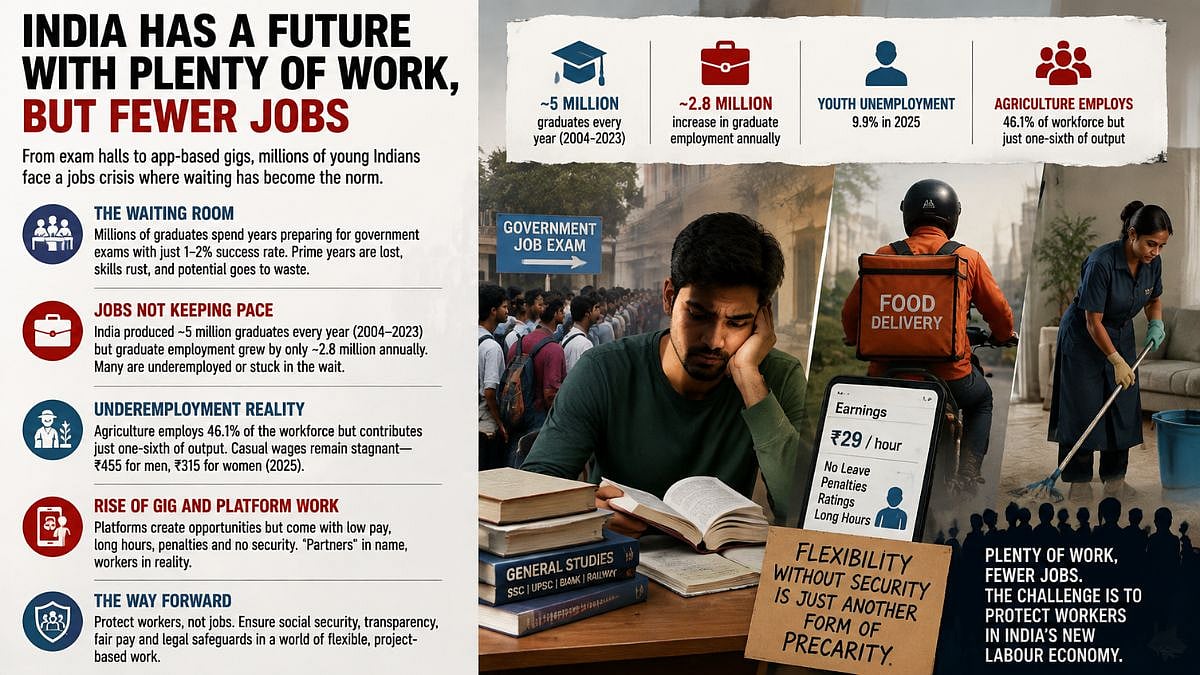
India Faces a Future With Plenty of Work, Fewer Jobs

Banks and Railways Top 70,584 Corruption Complaints in 2025
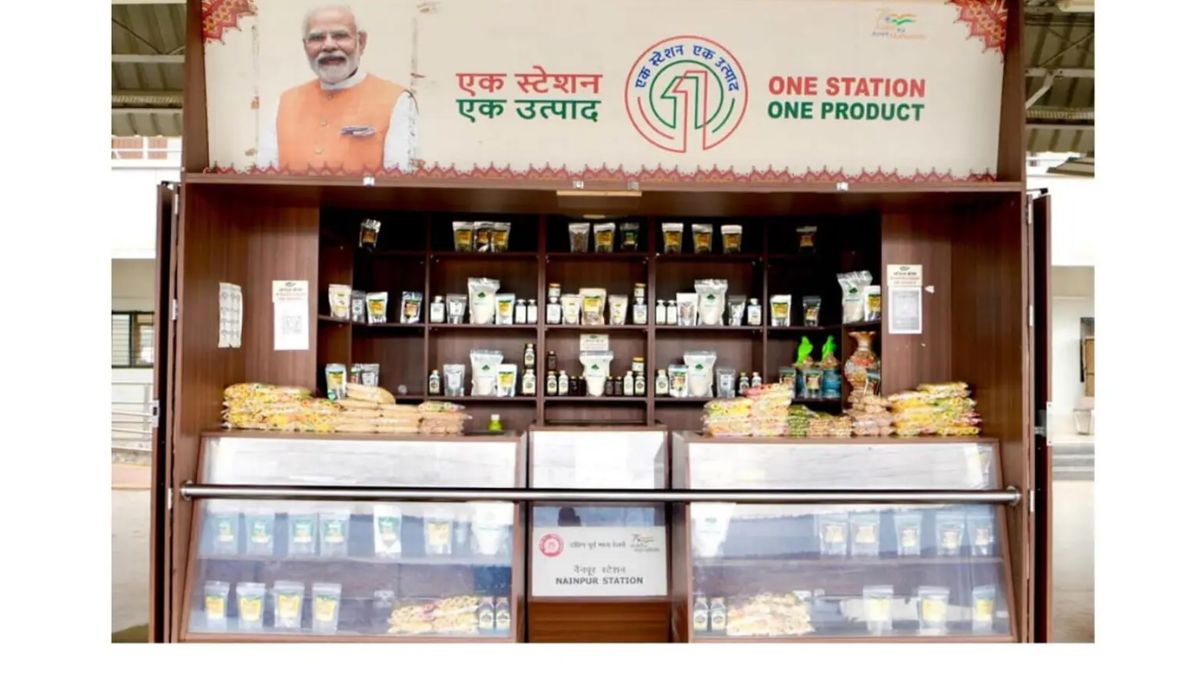
Indian Railways Expands Local Artisan Sales Through 2,300 Outlets

BEML Secures ₹180.60 Crore Order for Vande Bharat Sleeper Trainsets
Railways Approves Rs 800 Crore Safety and Freight Projects
Indian Railways Sanctions Rs 125-Crore Bhavnagar Para Project