1 week ago
Asian Shares Rise as Hormuz Talks and Oil Prices Ease
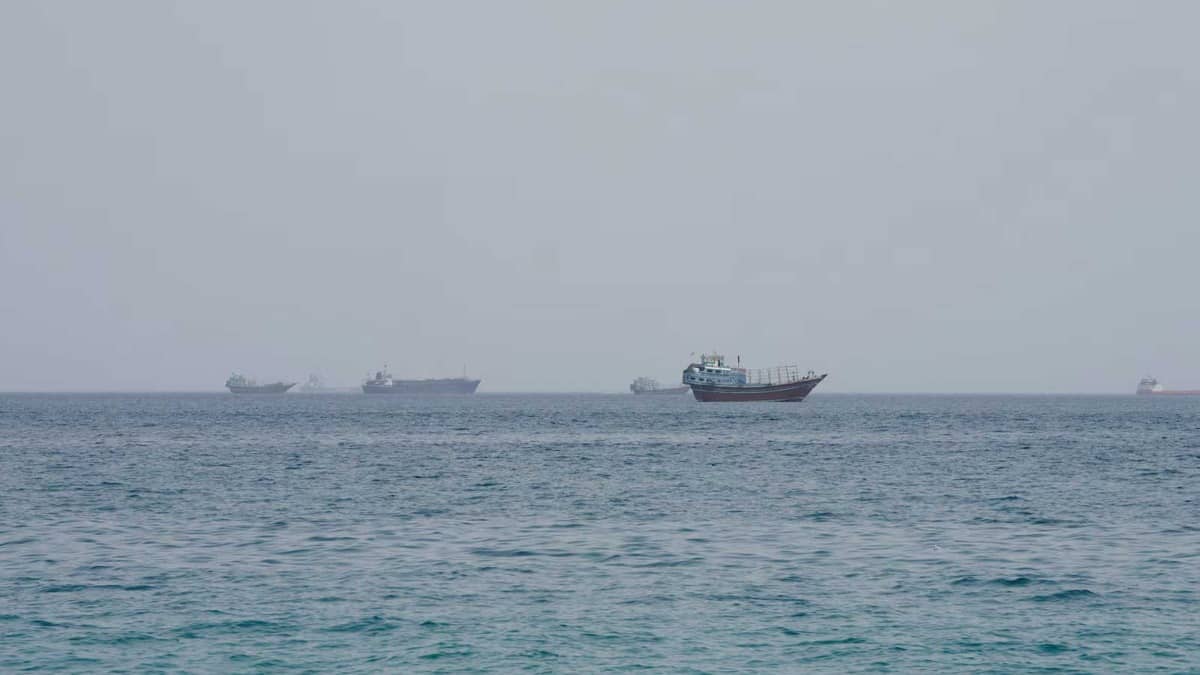
Many Asian stock markets rose on Wednesday morning.
Investors were watching talks about reopening the Strait of Hormuz.
The waterway is mostly closed because of the conflict involving Iran.
Oil prices fell, which can help countries such as Japan that import nearly all their oil.
Iran and Oman discussed how ships might safely travel through the strait.
Pakistan also held talks with Iran about restarting negotiations to end the conflict.
New U.S. sanctions against Iran showed that tensions were still high.
Technology companies connected to artificial intelligence helped lift markets, although some investors worry that AI stocks may be too expensive.
U.S. stock markets also finished higher, with Nvidia among the leading companies.

Asian markets mostly gained in early Wednesday trading as investors monitored talks about reopening the Strait of Hormuz.
Japan’s Nikkei 225 rose 0.6%, South Korea’s Kospi gained 1.6%, and Hong Kong’s Hang Seng advanced 0.8%.
Oil prices fell, with U.S. crude at $80.30 and Brent crude at $86.27 a barrel.
Iran and Oman discussed phased management of ship traffic through the strait after an oil tanker was disabled in an attack.
AI-related stocks supported markets, while new U.S. sanctions on Iran heightened concerns about regional tensions.
- Who
- Investors, Iran, Oman, Pakistan, the United States, and companies connected to artificial intelligence were central to the developments.
- What
- Asian shares mostly rose as oil prices declined and diplomatic talks focused on managing or reopening traffic through the Strait of Hormuz.
- Where
- Asian markets, the Strait of Hormuz, Oman, Iran, Pakistan, and U.S. financial markets.
- When
- Asian trading was reported early Wednesday; Iranian-Omani and Pakistani-Iranian talks took place Tuesday.
- Why
- Falling oil prices improved sentiment in oil-importing economies, while hopes for talks about the strait supported markets; sanctions and shipping risks continued to create concern.
Market Optimism
Geopolitical and Valuation Risks
Hormuz talks and oil prices
Market Optimism
Falling oil prices and discussions between Iran and Oman raised hopes of improved shipping conditions and helped investor sentiment, particularly in oil-importing countries such as Japan.
Geopolitical and Valuation Risks
The strait remained largely shut, an oil tanker had been disabled in an attack, and shipping companies still faced dangers while the waterway was under Iranian control.
AI investment outlook
Market Optimism
Eric Schiffer said demand for artificial intelligence should continue growing because companies and governments cannot afford to stop investing if they want to remain competitive.
Geopolitical and Valuation Risks
AI stocks have fluctuated amid concerns that their prices rose too far and that the AI boom may not be sustainable, with additional worries about the financing required.
U.S.-Iran tensions
Market Optimism
Pakistan said its meeting with Iranian President Masoud Pezeshkian was positive and productive, supporting efforts to revive negotiations.
Geopolitical and Valuation Risks
The Trump administration announced new sanctions intended to further damage Iran’s economy, suggesting tensions between the United States and Iran were increasing.
Key facts
- Nikkei 225
- Rose 0.6% to 66,227.55 in morning trading.
- Kospi
- Jumped 1.6% to 6,849.92.
- Oil prices
- U.S. crude fell $2.06 to $80.30 a barrel; Brent crude fell $2.31 to $86.27.
- Hormuz discussions
- Iranian and Omani diplomats discussed a phased approach to managing ship traffic.
- Pakistan-Iran talks
- A Pakistani delegation met Iranian President Masoud Pezeshkian about reviving negotiations.
- U.S. 10-year Treasury yield
- Fell to 4.63% from 4.70% late Monday.
- U.S. markets
- The S&P 500 rose to 7,677.28, the Dow to 53,577.40, and the Nasdaq to 26,151.30.
Quotes
Mohsin Naqvi
Pakistan’s interior minister, describing talks with Iranian President Masoud Pezeshkian
“very positive and productive”
 republicworld.com
Eric Schiffer
Head of the Los Angeles-based Patriarch Organization
“There's a lot of fear about AI. Those fears are based on the financing side, meaning that there is so much money that needs to be raised. What it's underrating, in my opinion, is the fact that this technology is so incredible.”
republicworld.com
Sources
Related news

Asian Stocks Edge Higher on US Jobs Data; Oil Climbs
Asian Markets Tumble as US-Iran Fighting Lifts Oil, Yields

Global markets swing on Hormuz deal hopes as crude slips

Global Stocks Pause Near Records as Hormuz Talks Stall, Oil Rises

West Asia Crisis Lifts Oil as Global Shares Trade Mixed

Oil Prices Rise Fourth Day as Hormuz Fears Grow

Chevron Plans $7 Billion Venezuela Expansion Amid U.S. Oil Push

Saudi Arabia Says Iranian Tanker Attack Killed Two Sailors
U.S.-Iran Exchange Escalates Across Middle East, Markets Slide
Trump Aides Seek Quiet Iran War Before Midterm Elections
US Warns Middle East Travelers Amid Escalating Iran-Linked Tensions