1 day ago
Kerala High Court Allows Investigating Officers to Prosecute Navy Court-Martials
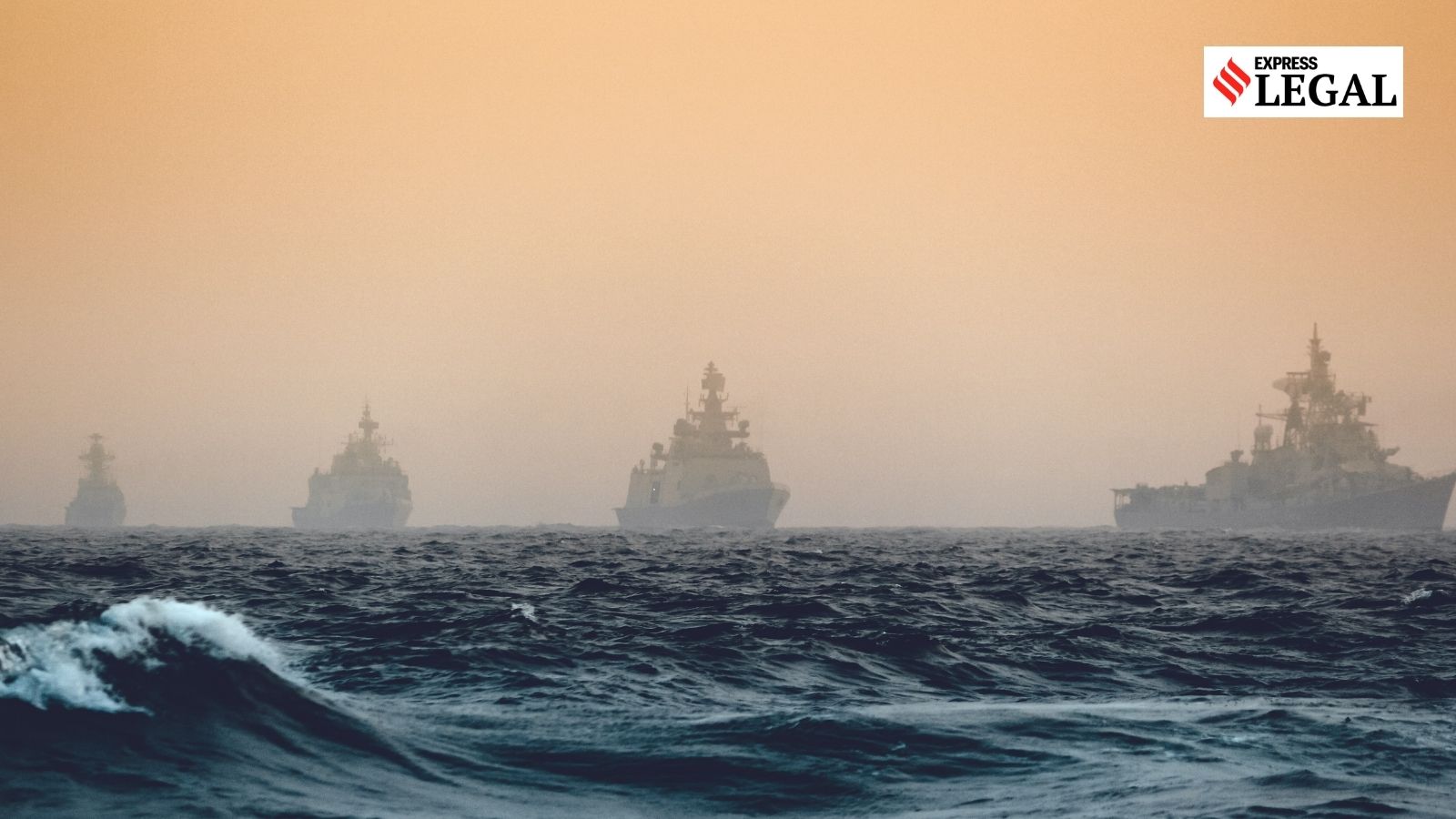
The Kerala High Court considered whether one naval officer could investigate and prosecute the same case.
Navy serviceman Santosh Karwade said this made his court-martial unfair.
He argued that the arrangement violated his constitutional right to a fair trial.
The court disagreed with that broad challenge.
It said the prosecutor mainly presents the case and evidence to the court-martial.
The court also found no clear rule in the Navy Regulations banning the arrangement.
It said special rules may limit certain rights of armed-forces members when needed for discipline and public order.
The court therefore dismissed Karwade’s appeal.

The Kerala High Court ruled that a naval investigating officer may also prosecute the same court-martial case.
The court said this dual role does not, by itself, violate the accused’s fair-trial rights under Article 21.
The ruling involved Navy serviceman Santosh Karwade, who challenged proceedings under the Navy Act, 1957.
Karwade argued that the investigating officer’s prosecutorial role compromised the fairness of his trial.
A bench of Justices K Natarajan and Johnson John dismissed his appeal and set aside the contrary single-judge observation.
- Who
- The Kerala High Court, Navy serviceman Santosh Karwade, and the naval officer who investigated and prosecuted the case.
- What
- The court ruled that an investigating officer may also serve as prosecutor in a Navy court-martial without that dual role alone violating fair-trial rights.
- Where
- The Kerala High Court, in proceedings concerning a Navy court-martial under the Navy Act, 1957.
- When
- The order was issued on September 18; the year was not specified in the article.
- Why
- The court found no clear prohibition in the Navy Regulations and held that Article 33 permits necessary restrictions on armed-forces members’ fundamental rights.
Karwade’s Challenge
State’s Position
Fairness of dual role
Karwade’s Challenge
Karwade argued that the same officer could not investigate and prosecute the case because the arrangement compromised his right to a fair trial.
State’s Position
The State argued that the Navy’s separate legal and procedural framework permits the appointment and that the dual role does not automatically violate constitutional rights.
Applicable procedures
Karwade’s Challenge
Karwade challenged the appointment and argued that the prosecutor’s role raised concerns because the prosecutor could also be examined as a witness under Regulation 178(3).
State’s Position
The State submitted that the Code of Criminal Procedure does not apply to the Navy Act and that Navy legislation and regulations govern court-martial proceedings.
Effect of armed-forces rules
Karwade’s Challenge
Karwade maintained that the appointment prejudiced the trial and sought relief before the proceedings concluded.
State’s Position
The State relied on Article 33, arguing that Parliament may modify or restrict armed-forces members’ fundamental rights as necessary for discipline and public order.
Key facts
- Court
- Kerala High Court
- Bench
- Justices K Natarajan and Johnson John
- Accused serviceman
- Santosh Karwade, a Navy personnel member with 31 years of service
- Relevant law
- Navy Act, 1957
- Constitutional issue
- Whether the investigator’s appointment as prosecutor violated Article 21’s fair-trial guarantee
- Charges mentioned
- Alleged dishonest inducement involving Rs 1.10 lakh and cheating under the IPC read with Section 77(2) of the Navy Act
- Outcome
- Karwade’s appeal was dismissed and the single-judge observation was set aside
Quotes

Kerala High Court
The division bench comprising Justices K Natarajan and Johnson John.
“There is no clear prohibition in the regulations for appointing the investigating officer as a Prosecutor…the appointment of the investigating officer as a prosecutor cannot, by itself, be considered a violation of the right to a fair trial guaranteed under Article 21 of the Constitution of India.”
 indianexpress.com
“is confined to effectively presenting the accused before the court and placing the evidence on record”
indianexpress.com
Sources
Related news

Telangana High Court Sets Aside IPS Trainee Potency Examination Order

Supreme Court Presses Coast Guard on Women’s Permanent Commissions

Calcutta High Court Quashes Case Against Army Soldier

Supreme Court Leaves Ramkrishna’s Public-Servant Status to Trial

Telangana High Court Restores DRDO BrahMos Director-General Appointment
Himachal High Court Upholds Army Officer’s Divorce Over Allegations
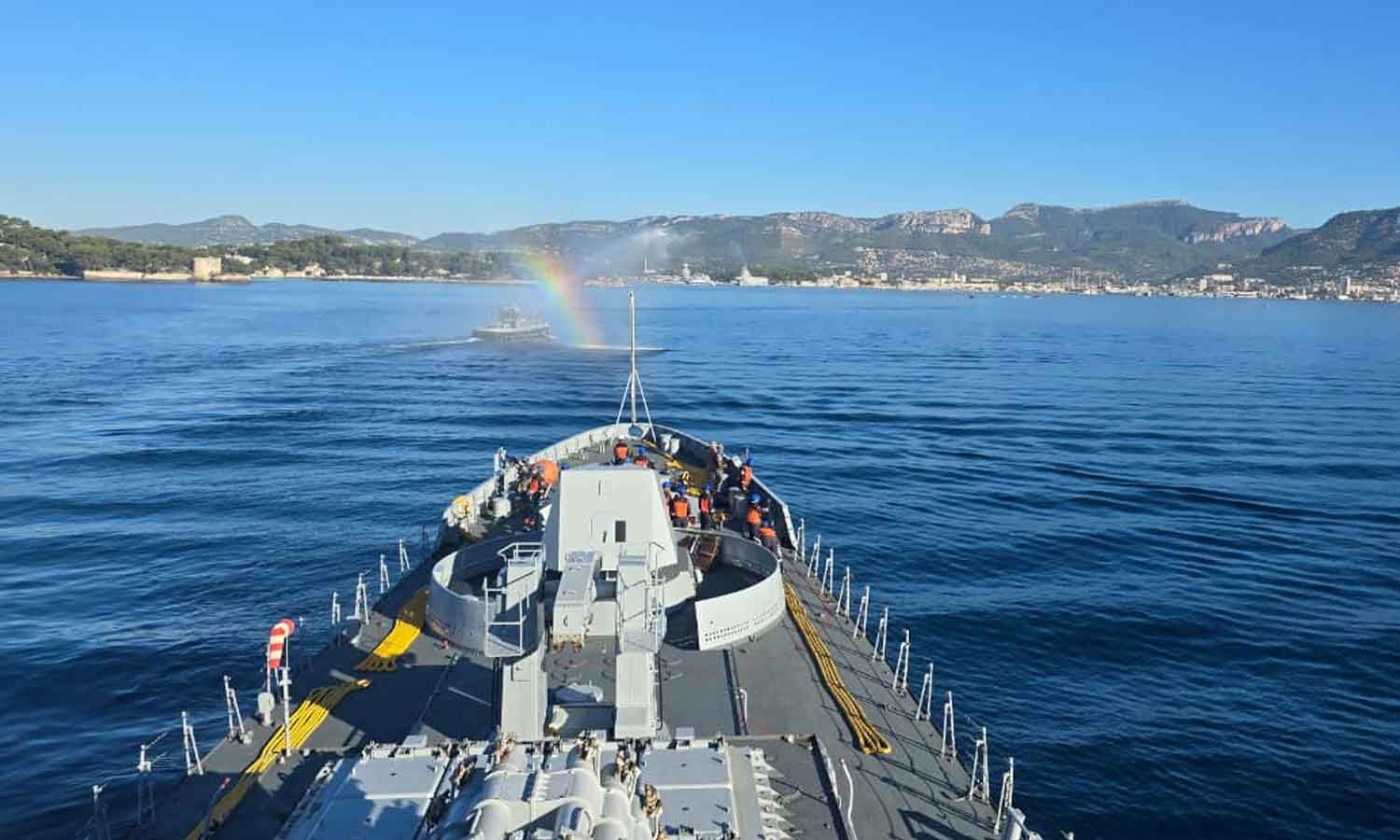
INS Trishul Arrives in France for India-France Varuna Exercise

PM Modi’s 1,500 Gifts Offered at Culture-Focused Auction
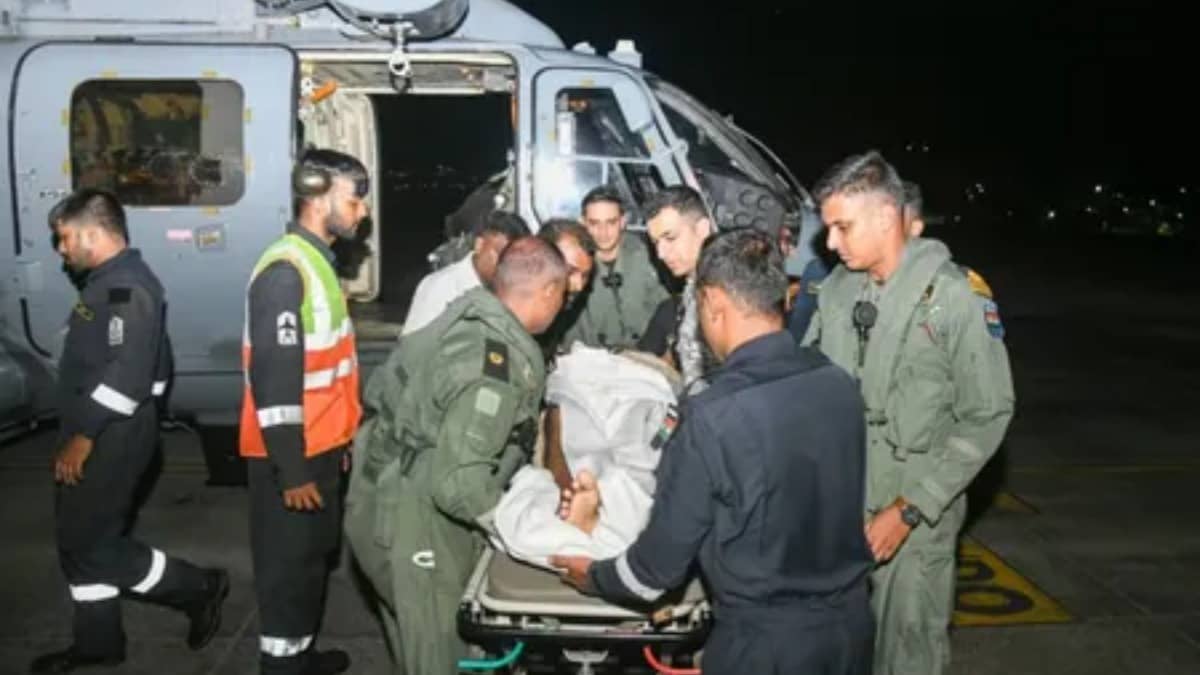
Indian Coast Guard Rescues Injured Bangladeshi Crew Member at Sea

13th India-Sri Lanka Maritime Exercise SLINEX-26 Concludes in Visakhapatnam