1 week ago
Delhi High Court Leaves Child Social Media Rules To Centre

The Delhi High Court heard a request to limit children’s use of social media.
The petitioners wanted restrictions for children younger than 13.
They also wanted special rules for children aged 13 to 16.
They said children can encounter harmful or sexually abusive material online.
They argued that social media companies’ voluntary steps were not enough.
The court said deciding on bans or restrictions is the government’s job, not the court’s.
It asked the Centre to study the request and speak with companies and other stakeholders.
The court did not set a deadline for this work.
Meta said it removes many posts containing child sexual abuse material, although the articles gave different detection percentages.

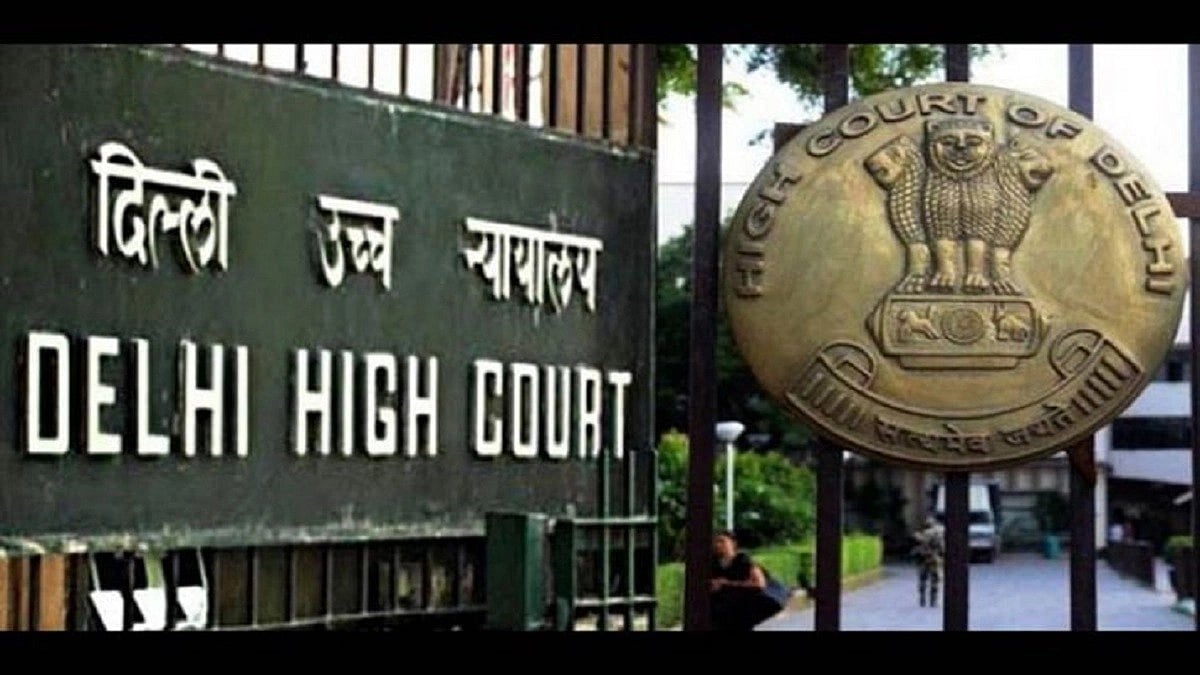
The Delhi High Court said regulating or banning children’s social media use is a policy matter for the Centre.
The court treated the PIL’s demands as a representation for the central government to consider after consulting stakeholders.
The petition sought restrictions for children under 13 and content regulation for those aged 13 to 16.
Petitioners sought binding safeguards, stronger technology, and audits to address CSAM and harmful online content.
Meta said it removed more than six lakh CSAM posts from Facebook and over two lakh from Instagram last year, while reported detection rates differed between accounts.
- Who
- The Delhi High Court, petitioners Kirti Dua and Dr Sharad Gupta, the Centre, and Meta Platforms.
- What
- The court declined to order child social media restrictions and left the petition’s proposals for the Centre’s policy consideration.
- Where
- The Delhi High Court in Delhi, India.
- When
- The hearing took place on a Thursday; the articles do not specify the date.
- Why
- The petitioners cited children’s exposure to harmful and sexually explicit content, exploitation, social media addiction, mental-health concerns, and inadequate voluntary safeguards.
Petitioners’ Position
Court, Centre And Meta’s Position
Government restrictions
Petitioners’ Position
The petitioners sought a law or guidelines restricting social media use for children under 13 and regulating content for those aged 13 to 16.
Court, Centre And Meta’s Position
The court and the Centre said the issue falls within government policy, may require a new law, and needs stakeholder consultation.
Binding safeguards
Petitioners’ Position
The petitioners argued that voluntary measures were insufficient and requested stronger technology and audit mechanisms to identify and remove CSAM.
Court, Centre And Meta’s Position
The court left specific safeguards to the Centre’s consideration, while Meta said it had systems for detecting and removing CSAM.
Platform performance
Petitioners’ Position
The petitioners raised concerns that CSAM remains available online despite existing efforts.
Court, Centre And Meta’s Position
Meta said it removed hundreds of thousands of CSAM posts and had high proactive detection rates, although the articles reported different percentages.
Key facts
- Bench
- Justices V Kameswar Rao and Manmeet Pritam Singh Arora heard the matter.
- Petitioners
- Kirti Dua, the mother of a three-year-old child, and paediatrician Dr Sharad Gupta filed the PIL.
- Requested restrictions
- The petition sought restrictions for children under 13 and content regulation for children aged 13 to 16.
- Court direction
- The Centre was asked to consider the petition as a representation and consult platforms and other stakeholders.
- Deadline
- The court did not prescribe a deadline for the Centre to act.
- Reported removals
- Meta’s counsel said more than six lakh CSAM posts were removed from Facebook and over two lakh from Instagram last year.
- Detection rates
- One account reported proactive detection rates of 99.5% on Facebook and 95.2% on Instagram; another reported 99% for both platforms.
- Related law
- The Centre’s counsel said the Digital Personal Data Protection Act safeguards children’s privacy online.
Quotes
Justices V Kameswar Rao and Manmeet P S Arora
Delhi High Court judges
“Facebook and Instagram had implemented extensive systems to detect and remove CSAM. He said proactive detection rates stood at 99.5% on Facebook and 95.2% on Instagram.”
 freepressjournal.in
“It is not for a court to give a direction that you should ban this, or that you should ban that. Let them look into it and then pass an order.”
 thehansindia.com
Senior counsel for Meta platforms
Meta platform representative
“"Over six lakh posts containing CSAM were taken down on Facebook last year and over two lakh such posts were also removed from Instagram. The proactive detection rate was 99 per cent for both platforms."”
 CNBC TV 18
Sources

Related news

France's top court blocks under-15 social media ban

India Studies Meta’s $17.1 Billion Settlement on Child Safety

Countries Move to Tighten Children’s Social Media Access Rules
Supreme Court seeks Centre's response on social media CESAM reporting

Why Countries Are Advancing Flawed Social Media Bans

New Zealand Plans Under-16 Social Media Ban Bill

Delhi Plans Data Protection Officers Across Government Departments

Meta's US Teen Rules Put India's Age-Verification Debate

India’s Data Centre Capacity Could Triple by 2030

Experts Warn Innocent Social Media Posts Can Expose Users