11 hrs ago
BRICS Pushes Local-Currency Trade and Payment Interoperability Amid Tariff Concerns

BRICS countries want to make it easier and cheaper to trade with one another.
They plan to use their own national currencies more often instead of proposing one shared BRICS currency.
They also want their payment systems to work better together across borders.
The group criticized tariffs and other trade barriers imposed by individual countries.
It said some climate-related trade measures could make things harder for developing countries.
BRICS wants the World Trade Organization to have a working system for settling trade disagreements.
The countries also discussed helping small businesses obtain trade financing.
They supported better digital systems, infrastructure and cooperation in global supply chains.

BRICS members are promoting national-currency trade and interoperable cross-border payment systems to reduce transaction costs.
India said BRICS is not proposing a common currency, focusing instead on trade using members’ national currencies.
The New Delhi Declaration criticized unilateral tariffs, non-tariff barriers and protectionist climate measures as harmful to global trade.
BRICS called for restoring the World Trade Organization’s fully functioning, two-tier dispute settlement system.
Members backed measures to improve global value chains, trade finance and digital documentation, especially for emerging economies and MSMEs.
- Who
- BRICS member countries, with India represented by Economic Relations Secretary and BRICS Sherpa Sudhakar Delela.
- What
- The grouping endorsed greater use of national currencies, interoperable payment systems and broader economic cooperation.
- Where
- The New Delhi Declaration adopted at the summit set out the measures; the articles do not specify the summit’s physical location.
- When
- The measures were adopted at the 18th BRICS Summit; India is steering related work during its 2026 chairship.
- Why
- To reduce transaction costs, strengthen trade and investment, address global trade disruptions and support emerging and developing economies.
Key facts
- Common currency proposal
- India said BRICS has no proposal for a common BRICS currency.
- Payment cooperation
- Members are working toward interoperability of payment and messaging channels and exploring cross-border payment mechanisms.
- Trade policy position
- BRICS criticized unilateral tariffs, non-tariff barriers and protectionist measures that it said could reduce trade and disrupt supply chains.
- WTO reform
- The group called for immediate restoration of a fully functioning, two-tier, binding dispute settlement mechanism.
- Global value chains
- Members endorsed further work on the Global Value Chains Action Plan for 2026–2030.
- Small-business finance
- BRICS backed digital trade-finance platforms and study of invoice discounting to help MSMEs obtain working capital.
- Economic framework
- The Strategy for BRICS Economic Partnership 2030 remains the framework for closer economic cooperation.
Quotes
Sudhakar Delela
India’s Secretary for Economic Relations and BRICS Sherpa
“There is no proposal in the BRICS for a BRICS currency. The focus is how we can do more intra-BRICS trade and how we can engage with the global business community more actively and reduce transaction costs through trade in national currencies”
 financialexpress.com
Sources
Related news

BRICS Has No Common Currency Proposal as Local Settlements Continue

BRICS Pushes Local-Currency Trade and Faster Cross-Border Payments
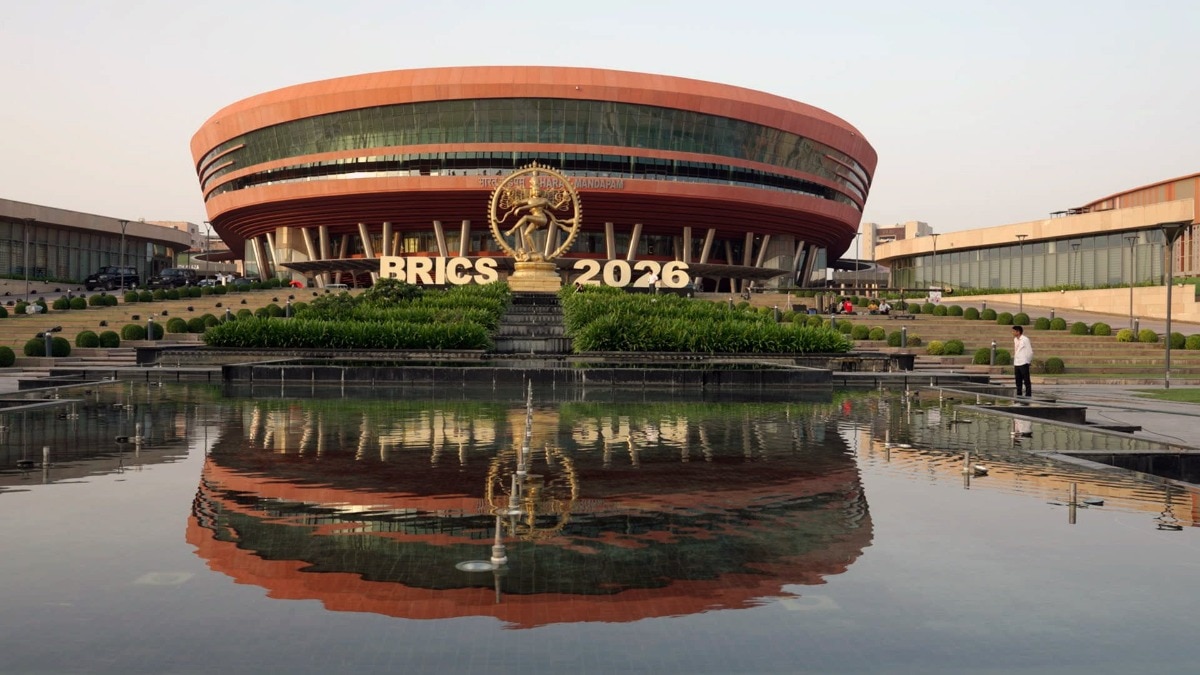
BRICS Declaration Flags Trade Barriers Amid Global Economic Tensions
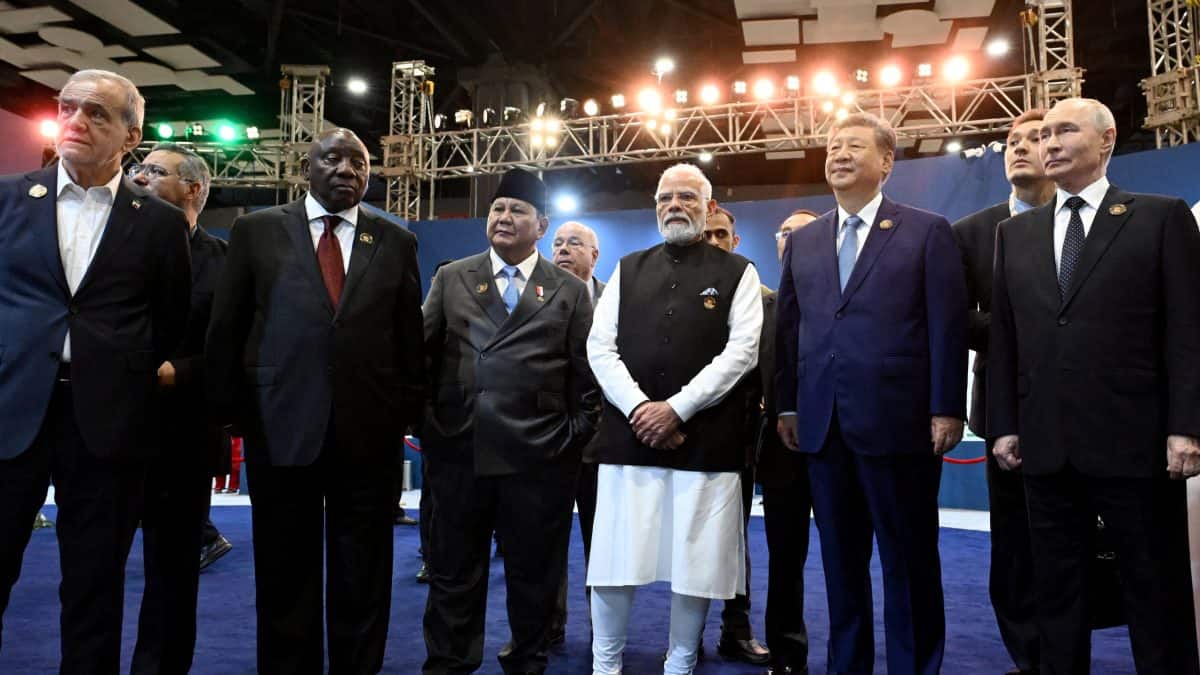
BRICS Chooses Local-Currency Diversification Over Replacing the Dollar

India Urges BRICS Payment Links and Deeper Local-Currency Trade

Goyal Urges BRICS to Link Payments and Expand Trade

India Urged to Help Shape CBAM Rules Through Consultation
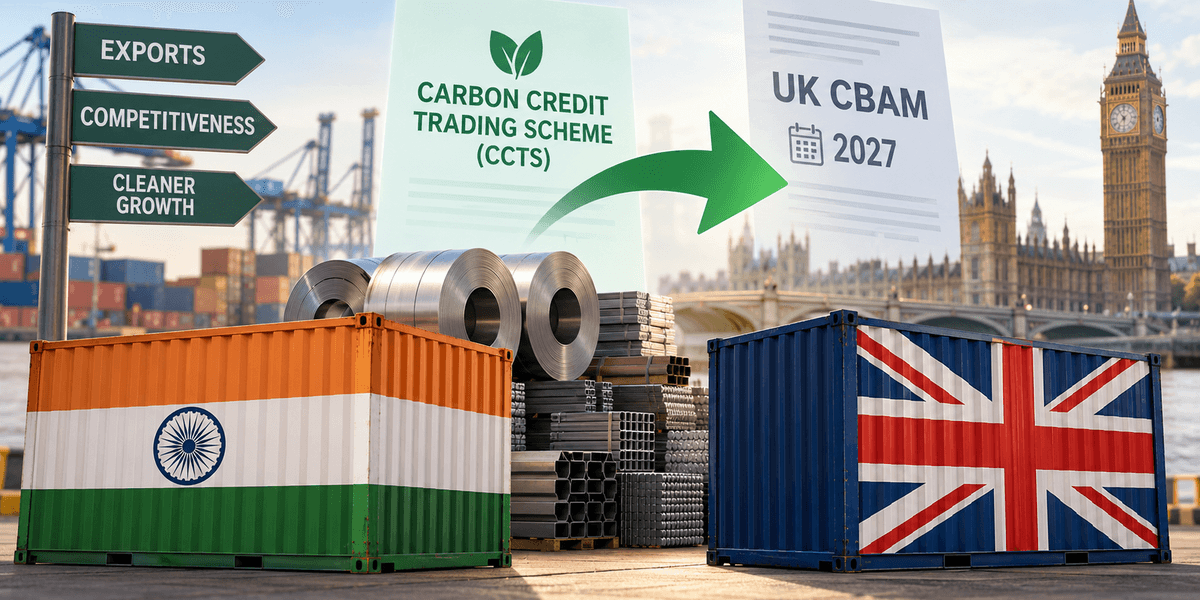
UK Recognises India’s Carbon Scheme, Easing CBAM Burden for Exporters

Green Hydrogen Could Recast India-EU CBAM Challenge Into Opportunity

Avaada Plans Rs 10,000-Crore Zero-CBAM Green Campus in Hisar