2 weeks ago
Taliban Renews Push for Afghanistan’s United Nations Representation
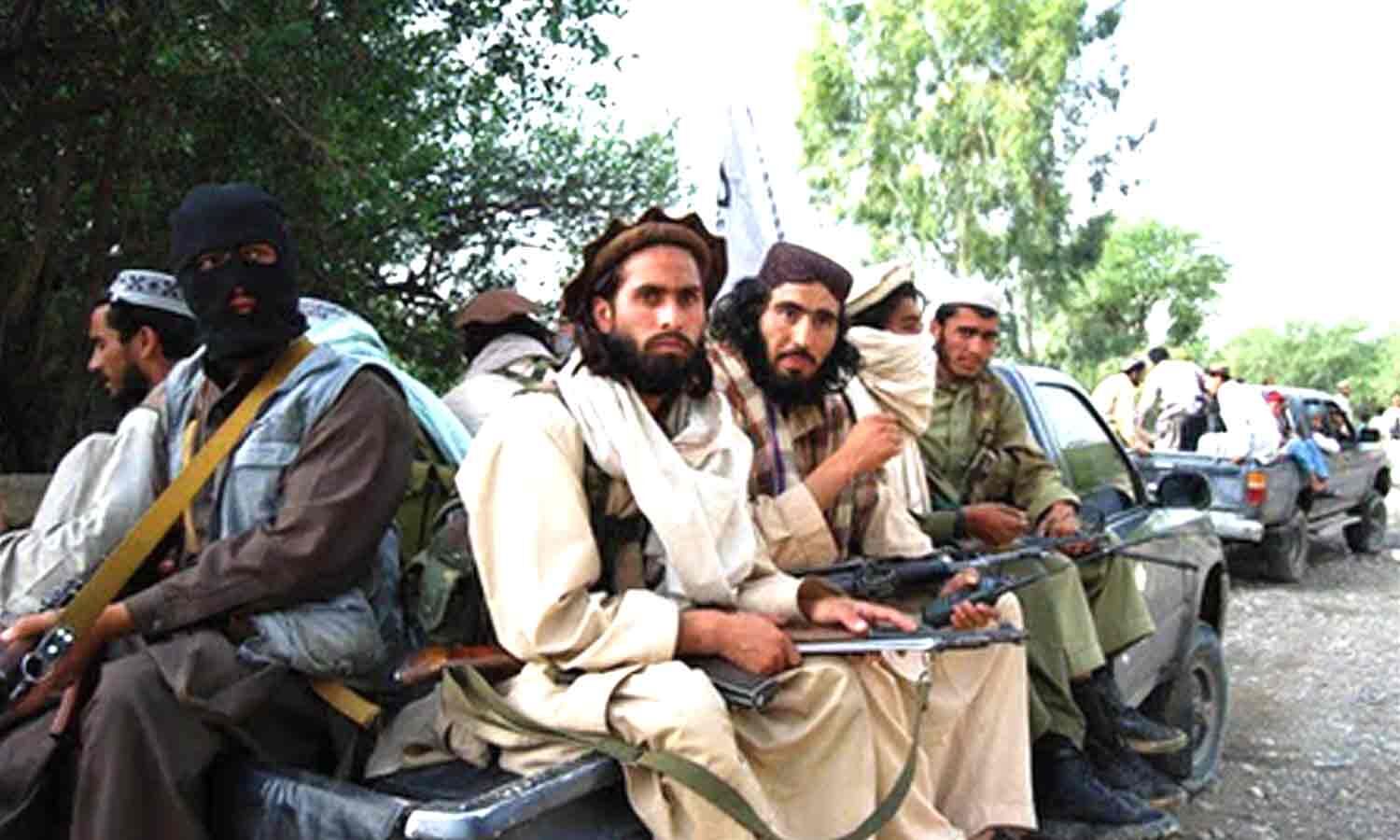
The Taliban, which controls Afghanistan, wants the country to have an official representative at the United Nations.
It says Afghanistan is safer and that poppy farming and drug trafficking have been reduced.
The United Nations says its member countries, not the UN itself, must decide whether to recognize the Taliban government.
So far, Russia is the only country mentioned as officially recognizing it.
Some other countries still communicate with the Taliban without officially recognizing its government.
The Taliban says women still work in healthcare, education and some government jobs.
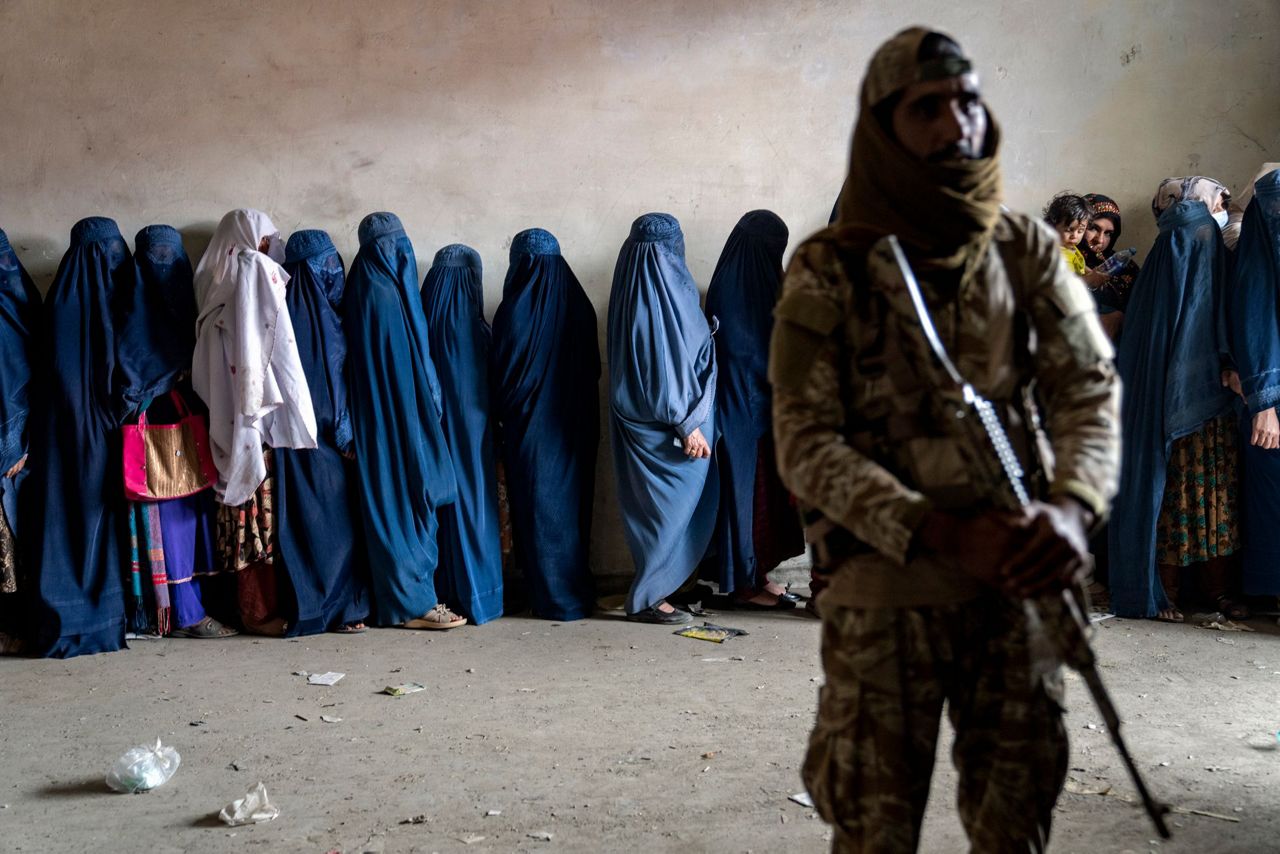
UN officials and women’s rights advocates say restrictions on women and girls remain a serious problem.
Afghanistan and Pakistan also disagree about militant groups and have experienced airstrikes and border fighting.
Humanitarian groups continue trying to help millions of Afghans who lack basic services.

Afghanistan’s Taliban authorities have renewed calls for representation at the United Nations, citing improved security and an end to poppy cultivation and drug trafficking.
The United Nations says recognition and control of Afghanistan’s seat are decisions for member states, and no such recognition process is currently underway.
Russia became the only country to officially recognize the Taliban government in 2025, while roughly two dozen countries maintain diplomatic ties at varying levels.
Taliban official Abdul Salam Hanafi rejected reports of broad restrictions on women’s employment, while UN officials and rights activists cited serious restrictions on women and girls.
Relations between Afghanistan and Pakistan remain tense over alleged militant safe havens, airstrikes, civilian casualties and recurring border clashes.
- Who
- The Taliban authorities, United Nations officials, Afghanistan’s neighboring countries and Afghan women’s rights advocates are involved.
- What
- The Taliban has renewed its demand for Afghanistan to be represented at the United Nations and defended its record on security and women’s employment.
- Where
- Afghanistan and the United Nations, with related tensions along the Afghanistan-Pakistan border.
- When
- The demand was renewed in reports published after the Taliban marked five years of uninterrupted rule; the article also refers to developments in 2025 and recent UN statements.
- Why
- The Taliban says improved security, reduced poppy cultivation and the absence of threats to other countries give Afghanistan the right to UN representation.
Taliban and Kabul Authorities
United Nations and Critics
Afghanistan’s UN representation
Taliban and Kabul Authorities
Taliban officials say Afghanistan has an established government, improved security and the right to have a representative at the United Nations.
United Nations and Critics
The UN says member states must decide recognition and control of Afghanistan’s seat, and no process is currently underway to recognize the Taliban for that purpose.
Women’s employment and restrictions
Taliban and Kabul Authorities
Abdul Salam Hanafi rejects reports that women are broadly barred from employment, saying they work in healthcare, education and some government institutions while observing Islamic hijab.
United Nations and Critics
The UN describes restrictions on women and girls as increasingly damaging, while a women’s rights activist says the future of half of Afghan society cannot be ignored.
Regional security
Taliban and Kabul Authorities
The Taliban says Afghan territory is not being used to threaten other countries and disputes allegations concerning militant groups operating from Afghanistan.
United Nations and Critics
Pakistan accuses the Taliban of harboring Tehrik-e-Taliban Pakistan and has carried out airstrikes, while Kabul says the attacks killed civilians and damaged a Kabul hospital.
Key facts
- Taliban takeover
- The Taliban took control of Kabul on August 15, 2021.
- Official recognition
- Russia officially recognized the Taliban government in 2025 and is described as the only country to have done so.
- Diplomatic ties
- About two dozen countries maintain de facto diplomatic relations with the Taliban at varying levels.
- UN position
- UN decisions on recognizing governments and Afghanistan’s UN seat belong to member states, not the organization itself.
- Security claims
- The Taliban says security has improved and that poppy cultivation and drug trafficking have been brought to an end.
- Women’s employment
- The Taliban says women work in healthcare, education and some government institutions; UN officials and activists report damaging restrictions on women and girls.
- UNAMA leadership
- UN Secretary-General Antonio Guterres appointed Bangladeshi diplomat Rabab Fatima as UNAMA’s head and Special Representative for Afghanistan.
Quotes
Farhan Haq
Deputy Spokesperson for the UN Secretary‑General
“Decisions regarding the recognition of governments and Afghanistan’s seat at the United Nations fall within the authority of its member states, not the organisation itself.”
 thehansindia.com
Sources
Related news

India Deepens Taliban Engagement While Recognition Remains On Hold
Taliban’s Fragile Legitimacy Tests India’s Evolving Afghan Policy
Taliban Marks 5 Years in Power Amid Rights Groups Alarm
Five Years On: How Afghanistan Changed Under Taliban Rule
Taliban Celebrates Five Years of Afghanistan Rule; Critics Decry Restrictions
India’s Growing Engagement with Taliban Five Years After Kabul Fell

Over 52 Injured in Grenade Blast Near Kabul School