

6 hrs ago
Bill Gates Says AI Could Help India’s Vulnerable
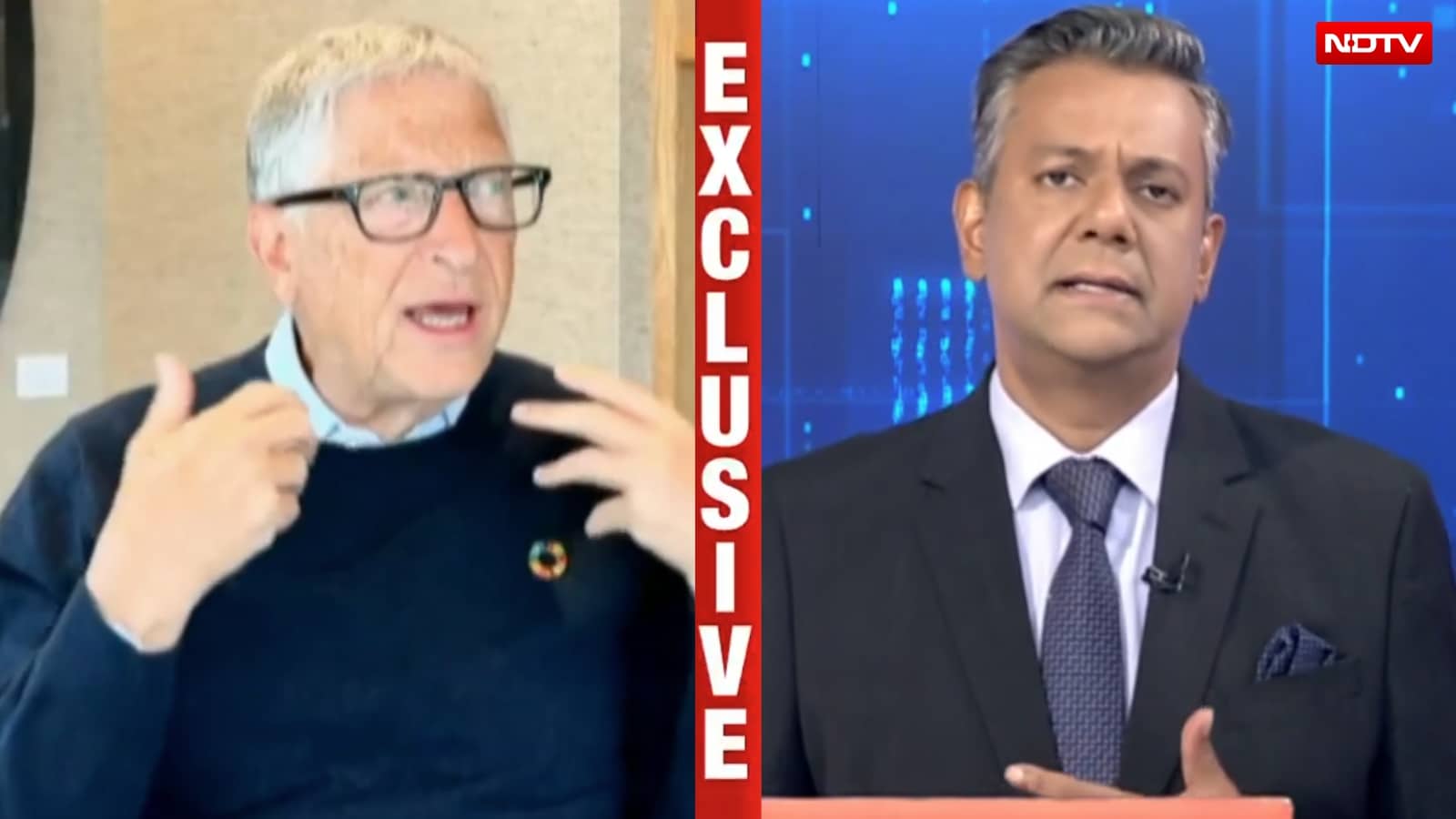
Bill Gates discussed whether AI will help everyone or mostly wealthy people.
He said India could use AI to improve healthcare and agriculture.
Healthcare is harder because mistakes can be serious and medical systems are expensive.
AI might help with problems such as diabetes, tuberculosis, malnutrition and aging.
Doctors and patients could use AI, but private health information must be protected.
Gates said farming is likely to use AI faster than healthcare and education.
Thousands of farmers are already connected to AI-linked systems.
He believes India has strong technology talent and could benefit early from AI.
The Gates Foundation has warned that AI could also make the gap between rich and poor wider.
Decisions about how AI is designed and used will help determine its impact.

Bill Gates said AI could make healthcare more affordable in India, despite the sector’s regulation and higher cost of mistakes.
He identified hypertension, diabetes, tuberculosis, malnutrition and aging as health challenges where AI may help.
Gates said patient data, digital records and privacy remain major challenges for AI-enabled healthcare.
He expects agriculture to adopt AI faster than healthcare and education, with thousands of farmers already connected to AI-linked systems.
The Gates Foundation warned that decisions made in the next 12 to 18 months could determine whether AI benefits rich or poor people.
- Who
- Microsoft co-founder Bill Gates discussed the issue in an interview with NDTV’s Vishnu Som; the Gates Foundation also addressed the risks.
- What
- The discussion examined whether artificial intelligence will reduce inequality or mainly benefit wealthy people, and how India can use it in healthcare and agriculture.
- Where
- The discussion focused on India, including its healthcare, agriculture and technology sectors.
- When
- Gates said decisions made over the next 12 to 18 months could influence whether AI reaches rich or poor people.
- Why
- The issue matters because AI could improve access to services but could also widen the gap between rich and poor.
AI as an Equalizer
AI as an Inequality Risk
Access to healthcare
AI as an Equalizer
Bill Gates said AI could help India address major health problems without making care completely unaffordable.
AI as an Inequality Risk
Healthcare AI is costly and highly regulated, and mistakes can have serious consequences, potentially limiting access.
Who benefits from AI
AI as an Equalizer
Gates said India’s technology talent and digital experience could enable early beneficial uses of AI for people who need help most.
AI as an Inequality Risk
The Gates Foundation warned that AI could widen the gap between rich and poor if it is not built, funded and deployed inclusively.
Speed of adoption
AI as an Equalizer
Gates said agriculture is already advancing quickly, with thousands of farmers using AI-linked systems.
AI as an Inequality Risk
He also said healthcare and education require more effort to accelerate, leaving vulnerable groups at risk of slower benefits.
Key facts
- Healthcare applications
- AI may help address blood pressure, diabetes, tuberculosis, malnutrition and aging-related challenges in India.
- Agriculture adoption
- Gates said thousands of farmers are already connected to AI-linked systems.
- Faster sector
- Gates expects agriculture to move faster than healthcare and education in adopting AI.
- Main healthcare challenges
- Digital patient records, data quality and privacy remain difficult issues.
- India’s advantage
- Gates cited India’s IT talent and experience with a previous digital revolution.
- Inequality warning
- The Gates Foundation said AI’s rapid growth could widen the gap between rich and poor.
- Critical timeframe
- The Foundation’s report said decisions in the next 12 to 18 months will be important.
Quotes

Bill Gates
Microsoft co-founder discussing AI's potential role in India's healthcare system
“For everyone, that (health) takes longer. It's a much more regulated area. The cost of a mistake is much higher than, say, agricultural advice. But even so, India knows it can't implement a medical system that's as costly as, say, the United States' medical system. Thank goodness that AI has come along.”
 NDTV
NDTV
“It's clear to me now that agriculture will move the fastest. The ones that we really have to think hard about how to accelerate are uses in education and healthcare.”
NDTV
Sources
Related news

Gates Foundation Sees India Leading AI Health, Agriculture Innovation

Sam Pitroda Says India Lags in AI, Urges Public Focus
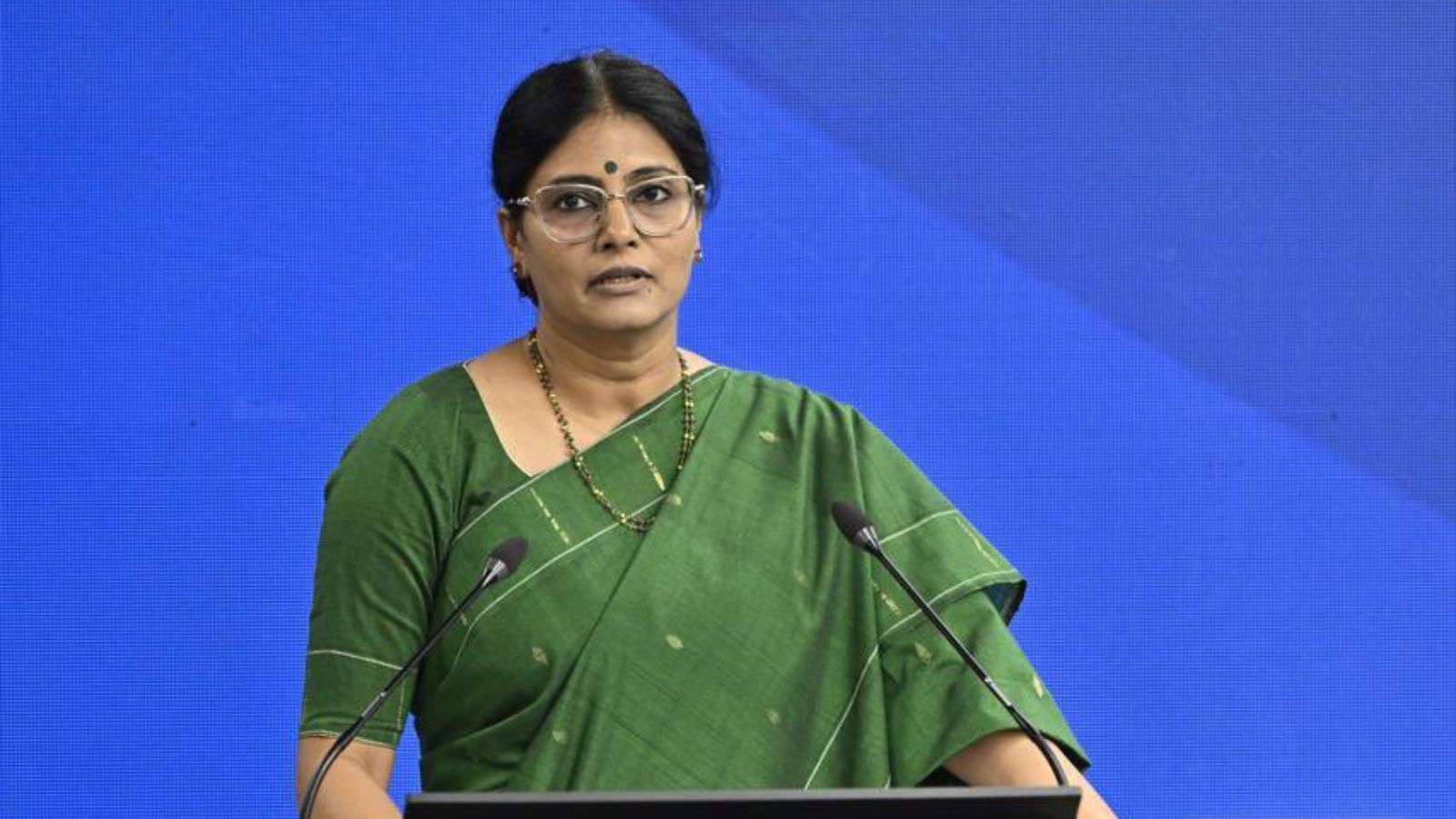
Minister Urges Human-Centred AI to Expand Healthcare Access

Bill Gates Warns AI Could Deepen Inequality and Injustice
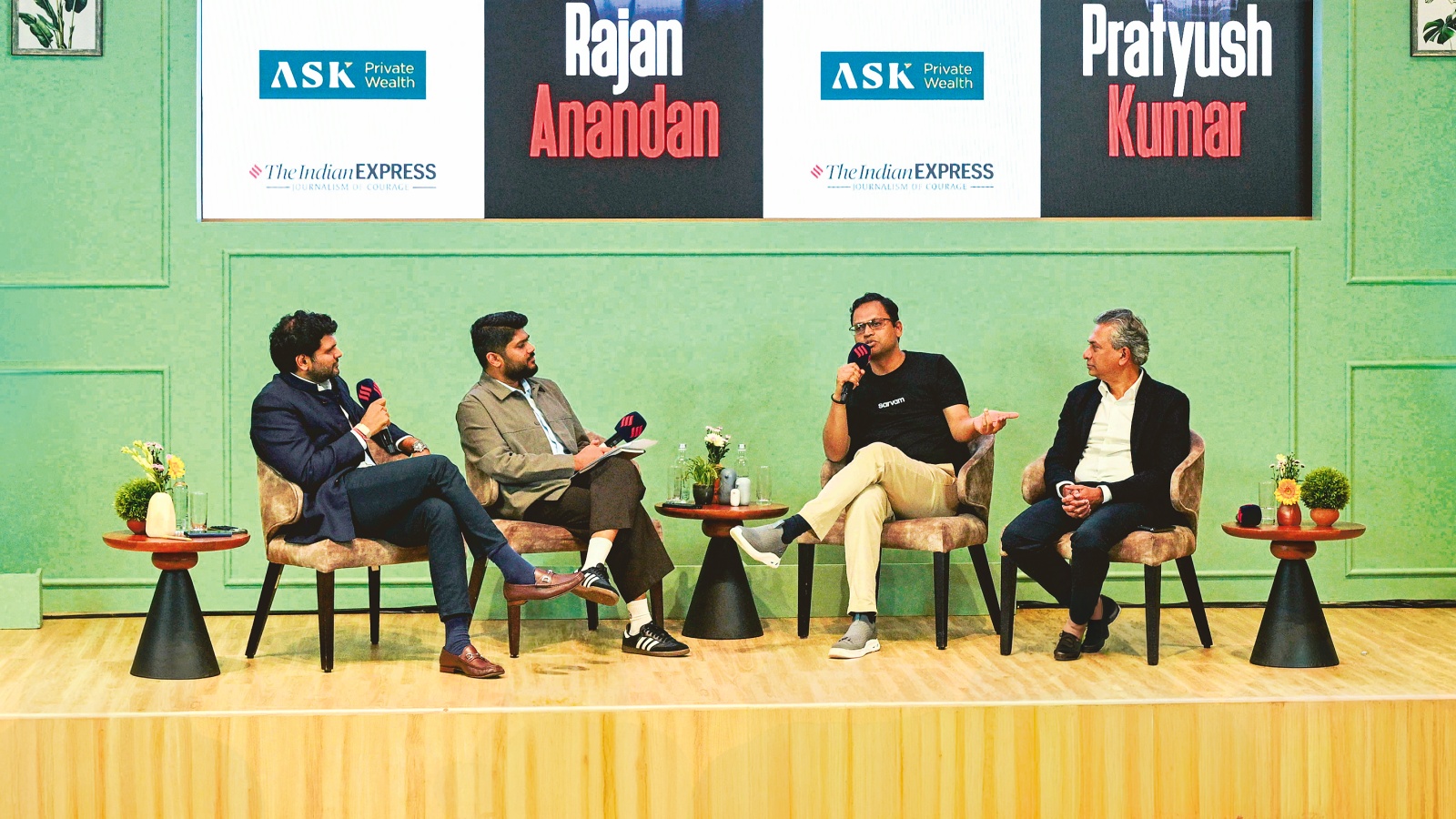
India’s AI Race Gains Momentum, But Jobs Remain Uncertain
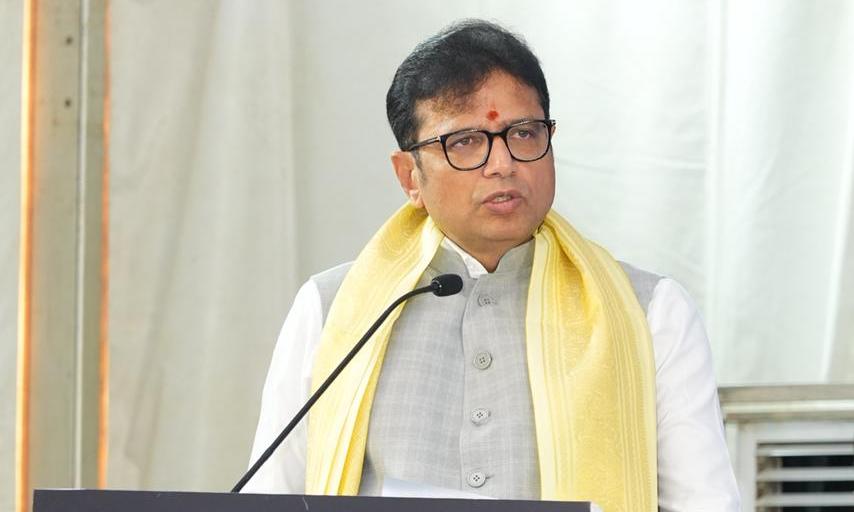
Hyderabad to Manufacture Advanced Net-Zero Green Toilets

India’s Auto Industry Seeks More Women Amid Persistent Shopfloor Gap
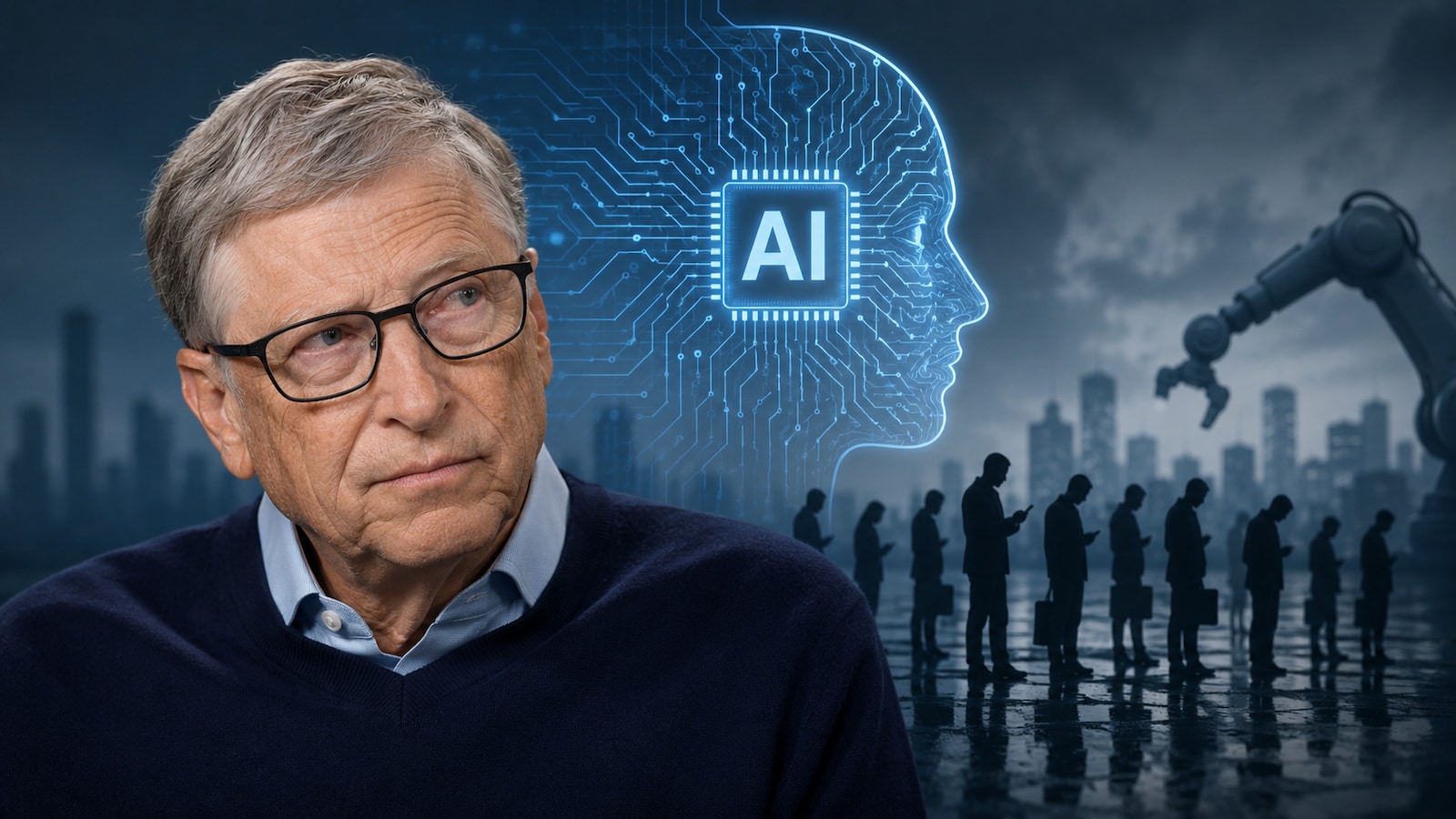
Bill Gates Warns AI Could Equalize or Deepen Injustice

Bill Gates Warns AI Transition Will Bring Turbulent Change
