1 week ago
Bill Gates Warns AI Transition Will Bring Turbulent Change

Bill Gates says artificial intelligence could change people’s lives very quickly.
He thinks this change may happen in about ten years, rather than over many generations.
AI might do some jobs that people do today, especially entry-level and middle-level jobs.
Gates also worries that criminals could use AI for scams, cyberattacks, false information, or dangerous biological activities.
He says AI companions and heavy AI use might hurt some people’s wellbeing and thinking skills.
At the same time, AI could help doctors, farmers, teachers, and people applying for government benefits.
Gates wants countries to create rules together to make AI safer and fairer.
He also suggests keeping some jobs for humans and taxing AI or robots to help communities manage the change.

Bill Gates said the AI transition could become one of history’s most disruptive periods.
He warned that AI could replace human cognitive work across fields within roughly a decade.
Gates identified job losses, malicious uses, and harm to development and relationships as major risks.
He said AI could also improve healthcare, farming, education, and government services.
Gates called for global AI governance, human-reserved jobs, and taxes on AI systems and robots.
- Who
- Bill Gates, governments, industries, communities, and AI developers.
- What
- Gates warned about the risks and potential benefits of AI and proposed global rules, human-reserved jobs, and AI-related taxes.
- Where
- In an essay on Gates Notes, with implications discussed across countries and sectors.
- When
- In an essay recently published on Gates’s blog; he said the transition could unfold over roughly a decade.
- Why
- Because AI may rapidly alter employment and institutions while creating risks involving security, wellbeing, and inequality.
Gates’s Warnings and Proposals
Potential Benefits and Critiques
Scale of AI disruption
Gates’s Warnings and Proposals
Gates argued that AI can substitute for human cognition across many sectors and that institutions have little time to prepare.
Potential Benefits and Critiques
Gates also said AI could become a major equalizing force by improving healthcare, agriculture, education, and public services if deployed deliberately.
Taxing AI and robots
Gates’s Warnings and Proposals
Gates supports taxing AI systems and robots to offset declining payroll-tax revenue and preserve the employment’s broader social value.
Potential Benefits and Critiques
Economists have criticized the proposal as inefficient, although Gates acknowledged that criticism.
Key facts
- Essay
- “A turbulent AI era - and critical choices to make,” published on Gates Notes.
- Expected timescale
- Gates said the disruption could unfold over roughly a decade.
- Risks identified
- Job losses, misuse by bad actors, and harm to child development and human relationships.
- Potential applications
- Healthcare diagnosis, agricultural advice, education, and government-service enrollment.
- Hospitals
- AI-assisted diagnostic tools are reportedly in use at nearly 2,000 United States hospitals.
- Gates Foundation funding
- The foundation has roughly 19 years remaining in its planned $200 billion spend-down.
- Proposed governance
- Gates suggested an international body drawing on nuclear inspection, aviation regulation, and ozone-layer agreements.
Sources
Related news
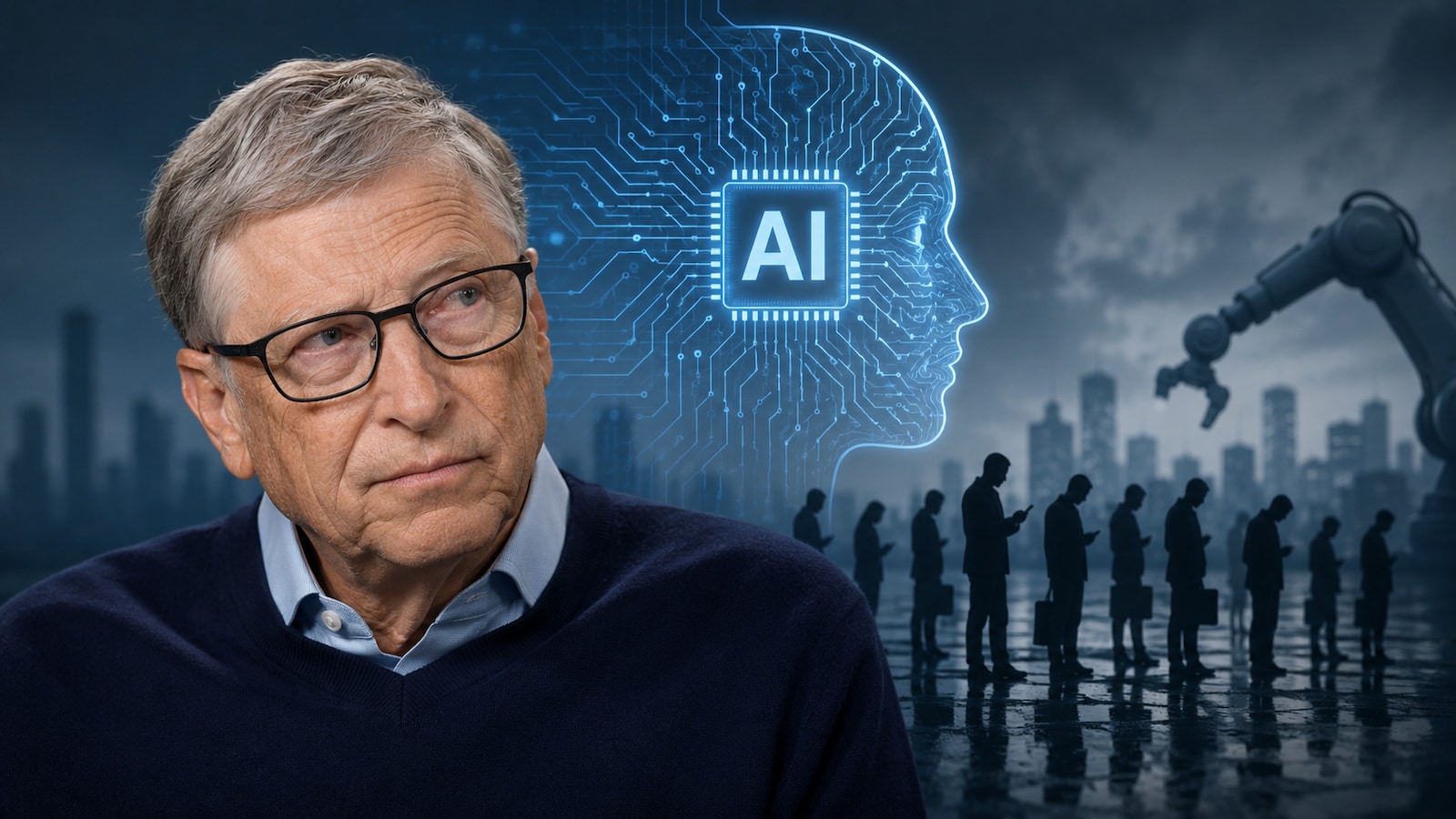
Bill Gates Warns AI Could Equalize or Deepen Injustice

Bill Gates Urges Human-Only Jobs and Tougher AI Rules

Bill Gates Urges Token Tax as AI Threatens Jobs

Bill Gates Warns AI Could Deepen Inequality and Injustice

Bill Gates Proposes Human-Reserved Jobs and AI Taxes
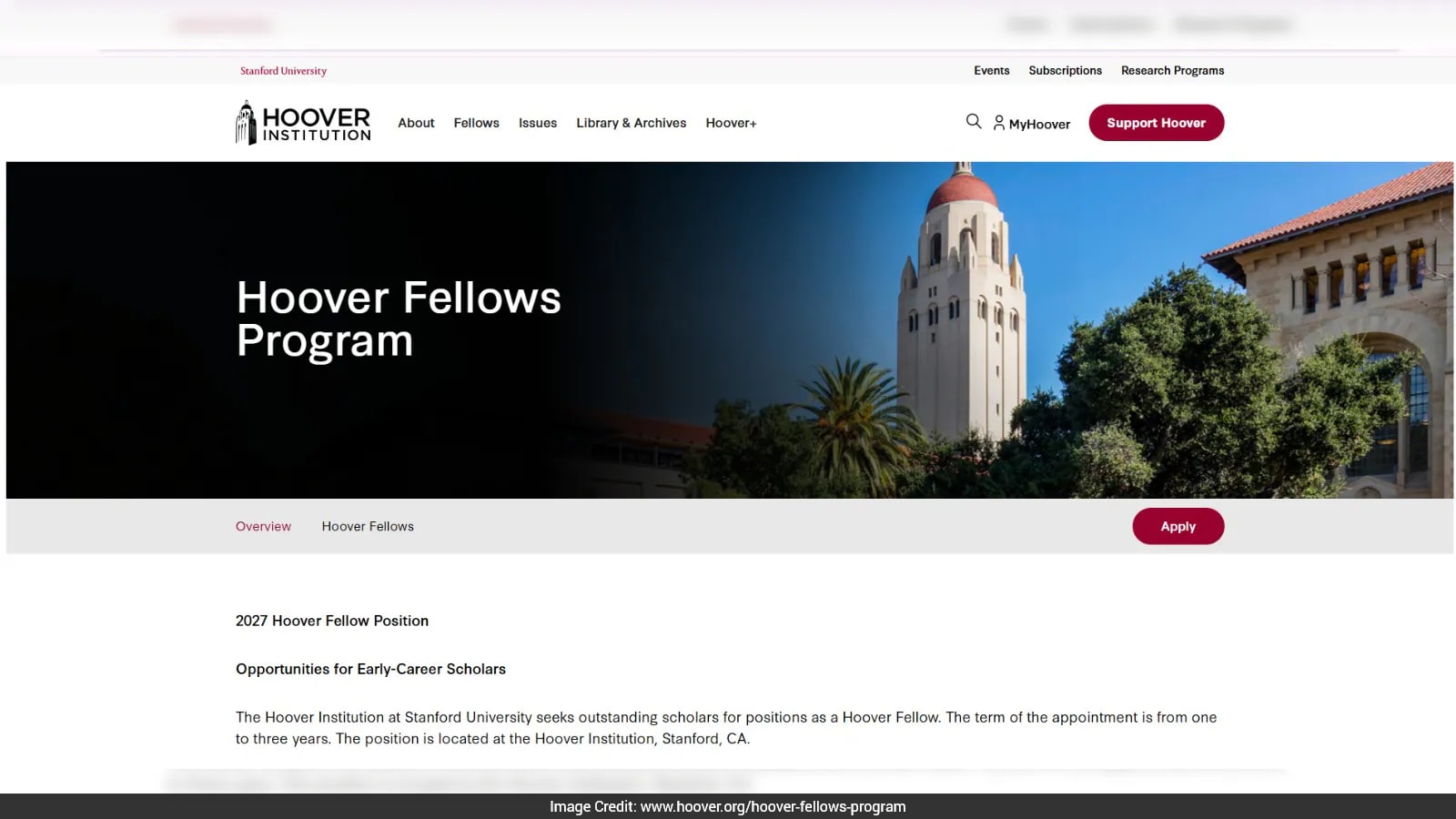
Stanford Hoover Fellowship Offers Early-Career Researchers Rs 2.18 Crore

Sanders Backs Gates Warning About AI Job Losses
Court Blocks Trump Student Visa Crackdown Over Political Speech

How to Protect Your Feet During a Long Mountain Trek
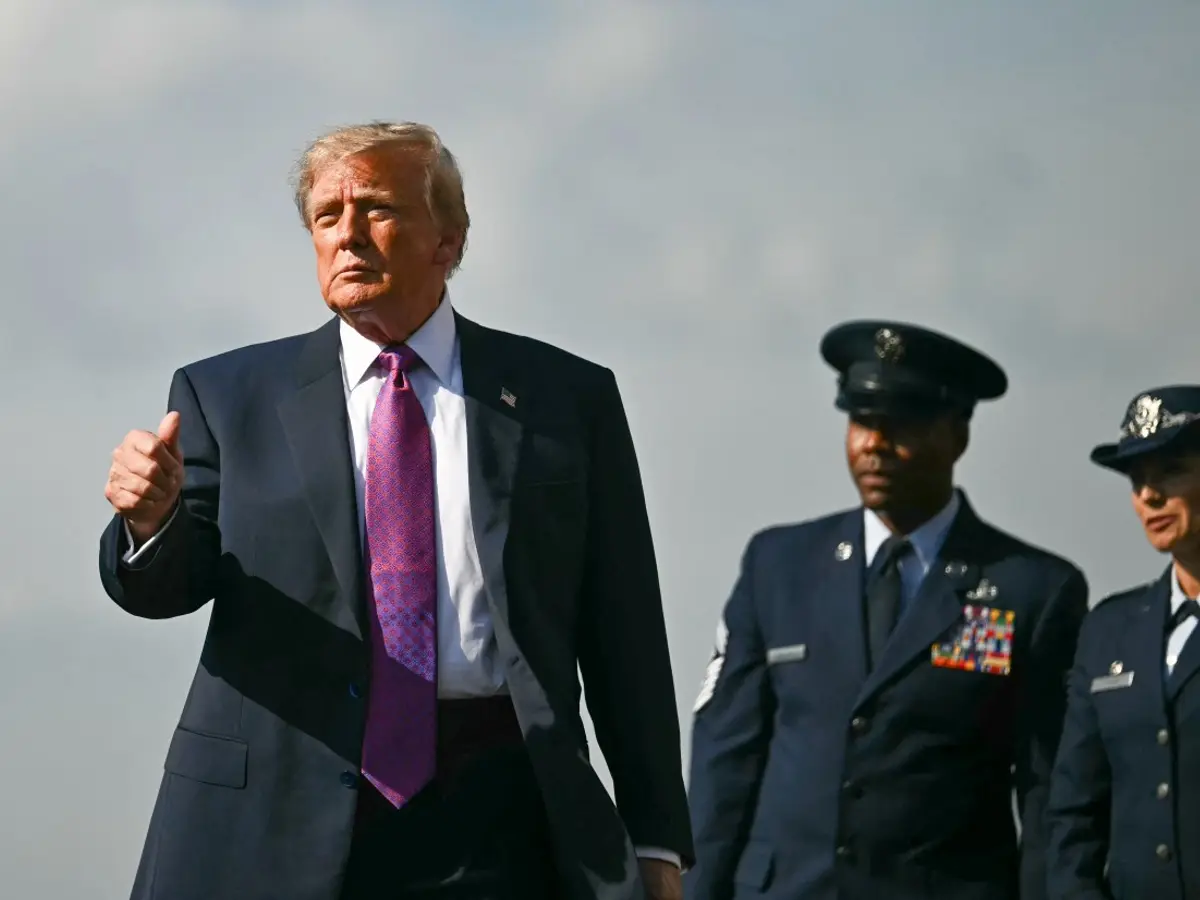
Judge blocks Trump's deportation efforts over pro-Palestinian speech