

17 hrs ago
Why Cryptocurrency Continues Thriving Among India’s Investors
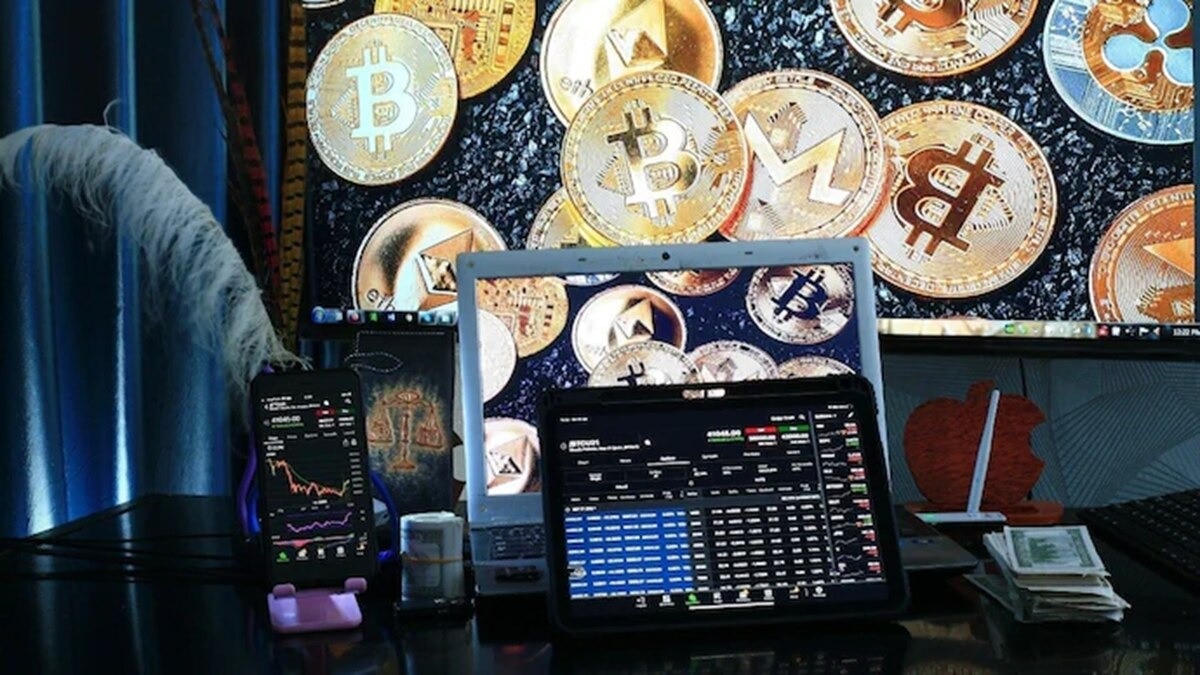
Many people in India are still interested in buying and trading cryptocurrencies.
A large number of these investors are young and live outside major cities.
Crypto can offer a way to try new technology and spread money across different types of investments.
However, cryptocurrency prices can change very quickly.
Unlike stock markets, crypto trading in India does not have the same safeguards, such as circuit breakers.
India also taxes crypto transactions heavily and requires exchanges to follow reporting and anti-money-laundering rules.
These rules have pushed much trading toward overseas platforms, according to industry sources.
Government agencies warn that crypto can be risky and may not provide a way to recover losses.
Crypto companies want clear rules, while officials are still deciding how tightly the industry should be controlled.

India’s Virtual Digital Asset transactions rose 131% cumulatively to Rs 1,09,580 crore between FY23 and FY25.
Younger investors and people from smaller, non-metro cities make up a growing share of India’s crypto market.
Crypto remains popular despite the absence of comprehensive Indian regulation and warnings about investor and financial-stability risks.
A 30% tax on VDA income, 1% TDS, and other compliance requirements have shifted much trading toward offshore platforms and derivatives.
Industry representatives seek clearer rules, while regulators continue considering stricter oversight, investor protections, and possible curbs.
- Who
- Indian crypto investors, exchanges, regulators, tax authorities, and industry representatives.
- What
- Cryptocurrency investment remains popular in India despite heavy taxation, limited regulation, and official warnings about its risks.
- Where
- India, with Uttar Pradesh and Maharashtra identified as its largest crypto markets; offshore platforms also handle substantial trading by Indian users.
- When
- The article discusses developments from FY23-FY25, including reports released in July and August 2026, and regulatory changes extending to 2027.
- Why
- Investors are drawn by potential returns, asset diversification, blockchain technology, and growing confidence in digital-first financial products.
Industry and Investor Arguments
Regulatory and Risk Concerns
Need for regulation
Industry and Investor Arguments
Crypto exchanges and industry representatives say clearer, more structured rules would protect investors, support innovation, and give businesses certainty.
Regulatory and Risk Concerns
The Reserve Bank of India and other officials remain concerned about financial stability, transparency, accountability, illicit use, and consumer protection.
Value of cryptocurrency
Industry and Investor Arguments
Supporters point to potential returns, portfolio diversification, blockchain technology, stablecoin use cases, and participation in a global digital economy.
Regulatory and Risk Concerns
Critics warn that crypto prices are highly volatile, lack stock-market safeguards, and may offer no regulatory recourse when investors suffer losses.
Tax and compliance rules
Industry and Investor Arguments
The industry is seeking relief from the 30% tax and 1% TDS, arguing that these measures have reduced domestic trading and pushed activity offshore.
Regulatory and Risk Concerns
Authorities have tightened reporting and anti-money-laundering requirements to monitor transactions and discourage risky or illicit activity.
Key facts
- VDA transaction value
- Rs 1,09,580 crore from FY23 to FY25
- Cumulative growth
- 131% between FY23 and FY25
- Investor profile
- Nearly three in four investors were under 35 in Q2 2026, and 54.4% of new investors were aged 18-25
- Non-metro participation
- More than 82% of WazirX users came from non-metro cities
- Crypto taxation
- Income from VDA transfers is subject to a flat 30% tax, while transfers also face 1% TDS
- Offshore trading
- KoinX data cited in the article says nearly 73% of Indian crypto trading volume migrated to offshore platforms in FY25
- Regulatory reporting
- India is scheduled to apply the OECD Crypto-Asset Reporting Framework from 2027
Quotes
Fiery Dev
A blockchain validator and decentralized-finance investor using the username Fiery Dev.
“We are seeing investors becoming more informed and diversified in how they approach the asset class. Beyond returns, factors such as growing institutional participation, improving compliance standards and greater regulatory clarity are helping build confidence.”
 businesstoday.in
“In a way, RBI’s CBDC is India’s stablecoin. India can explore privately issued stablecoins also. It would need to be subjected to regulation. To begin with, banks can be permitted to issue stablecoins.”
businesstoday.in
Sources
Related news

Gen Z Drives Crypto Growth Among India’s New Investors

India’s 2025 Income Tax Act Sets Crypto Compliance Rules

FATF Urges Indian Fintech Investment Against Emerging Technology Threats

Young Professionals and Women Reshape India's Investment Landscape

EY Sees 100 Million New Long-Term Investors Beyond Metros

Digital gold booms as experts warn investors about hidden risks

India Plans UPI Merchant Fees With Small-Merchant Exemptions

UPI Fees May Push Retail Users Toward Digital Currency

Delhi Lakshmi Yojana RD Lock-In Set Through July 2029

NITI Aayog Proposes Outcome-Linked Funding to Reform India’s Skilling System
