

7 months ago
Interwar Fiction and the Age of Noise
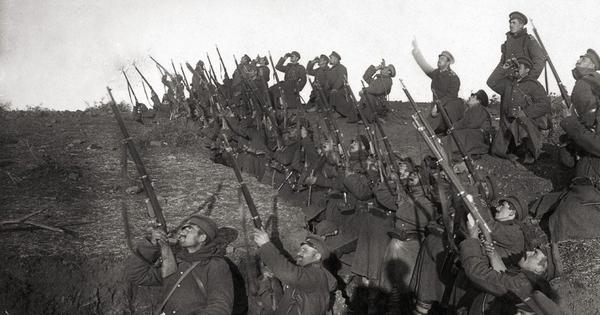
During the interwar period in Britain, the world was getting noisier with the rise of machines, traffic, and industry.
This noise made people worried about their health and well-being.
Writers like Virginia Woolf and George Orwell wrote about this noise in their stories, showing how it affected people's lives.
Some people even started groups to fight against too much noise, like the Anti-Noise League.
They believed noise was bad for people's health and could make them less productive.
The writers also showed how noise could be a way for people to express themselves and resist things they didn't like.
So, noise wasn't just something annoying; it could also be a powerful force in people's lives.

Interwar Britain, dubbed the 'age of noise,' saw a rise in mechanical sounds causing public health concerns.
Writers like Virginia Woolf and George Orwell explored the impact of noise in their fiction, reflecting societal anxieties.
The Anti-Noise League, founded in 1933, campaigned for noise reduction, framing it as a health and productivity issue.
Interwar literature depicted noise as both harmful and a form of cultural resistance, especially for marginalized communities.
Modernist writers used noise metaphorically and structurally, highlighting its complex role in society.
- Who
- Interwar writers such as Virginia Woolf, George Orwell, Jean Rhys, and the Anti-Noise League
- What
- The impact of noise on society and literature during the interwar period
- Where
- Britain
- When
- 1920s-1930s
- Why
- To explore the effects of noise on health, society, and culture, and to document the changing soundscape of the era
Key facts
- Period
- Interwar Britain (1920s-1930s)
- Key Figures
- Aldous Huxley, Virginia Woolf, George Orwell, Jean Rhys, Thomas Horder
- Organizations
- Anti-Noise League, Industrial Health Research Board
- Literary Works
- Mrs Dalloway, Coming Up for Air, Love on the Dole, May Day, Nine Tailors, Let Them Call It Jazz
- Health Impact
- Noise recognized as a public health hazard by the World Health Organization
- Cultural Impact
- Noise as a form of sonic resistance and cultural identity
Quotes
James Mansell
Sound historian
“Noise was not just representative of the modern; it was modernity manifested in audible form.”
 scroll.in
Sources
Related news

University of Hyderabad Lecture Examines Journalism in the AI Era

Backlash Grows as Flock Surveillance Cameras Spread Across America

‘Dimagi Naxal’ Debate Casts Dissent as Political Threat
Supreme Court Flags Misuse in Uttar Pradesh Gangsters Act

Satirical 'Dimagi Naxal Party' Trends on Instagram After Modi's Speech
